Benefits of Guava Leaves
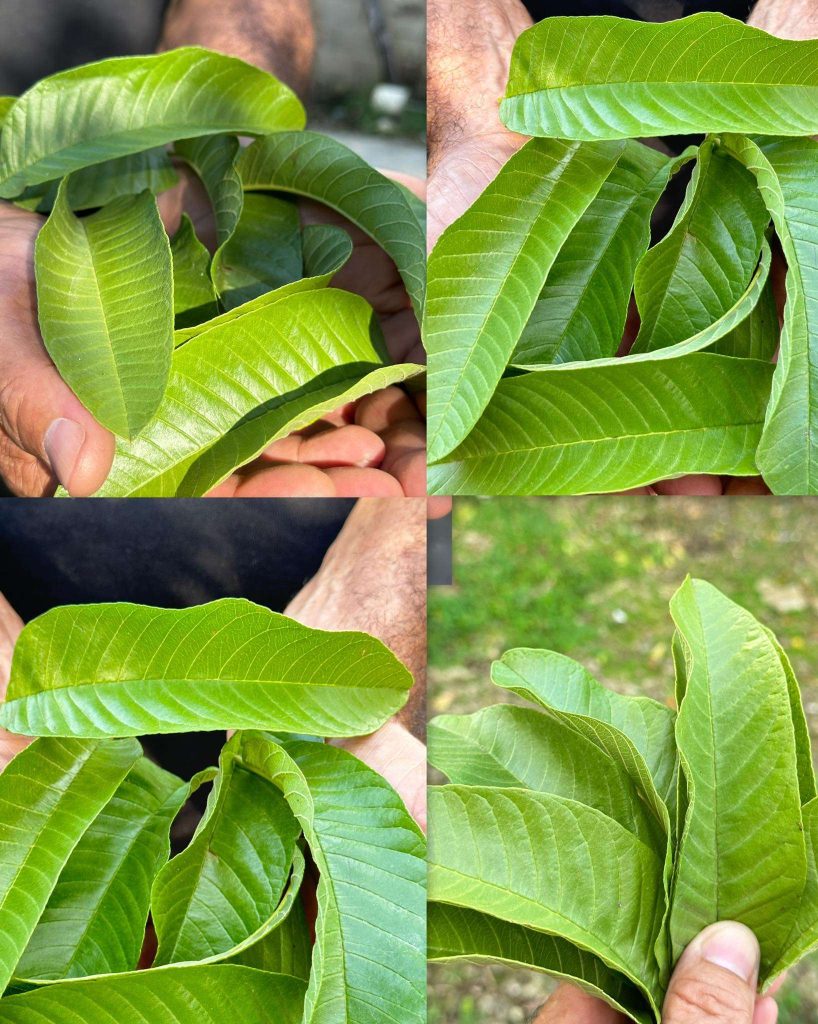
The Humble Powerhouse: Unveiling the Surprising Benefits of Guava Leaves 🍃
 Espanol
Often overshadowed by the sweet, aromatic fruit they produce, guava leaves are, in fact, a treasure trove of wellness hiding in plain sight. 🌿 For centuries, these simple green leaves have been a cornerstone in traditional medicine systems across the tropics, and modern science is now catching up, validating many of their revered uses. This article delves deep into the compelling health benefits of guava leaves, moving beyond superficial lists to explore the how and why behind their potency. We'll provide practical, clear guidance on how you can harness their power safely and effectively. Get ready to discover why this accessible leaf deserves a prime spot in your natural health toolkit.
Espanol
From Ancient Remedy to Modern Superfood: A Rich History 🌎
Long before laboratories, cultures in Latin America, Asia, and Africa utilized guava leaves for a myriad of health concerns. Traditionally, they were chewed raw to alleviate toothaches, brewed into teas to combat diarrhea and reduce fever, and applied topically to heal wounds and soothe skin irritations. This historical use wasn't mere folklore; it was early human observation of the leaf's potent bioactive compounds, including powerful flavonoids like quercetin, essential vitamins (notably Vitamin C), and carotenoids. These compounds are the key actors behind the leaves' broad-spectrum benefits, offering a natural, holistic approach to well-being that complements modern lifestyles.
A Deep Dive into the Science-Backed Benefits 💊
Let's move beyond tradition and examine the specific, researched advantages of incorporating guava leaves into your routine.
Blood Sugar Regulation: This is one of the most significant and well-studied benefits. Guava leaf tea has shown remarkable potential in helping to manage blood glucose levels. Compounds in the leaves inhibit the absorption of certain types of sugars (like maltose and sucrose) in the intestine and improve insulin sensitivity. For those managing type 2 diabetes or pre-diabetes, drinking guava leaf tea after meals may help prevent sharp spikes in blood sugar. Always consult your doctor, as it can interact with diabetes medications.
Heart Health Champion: Your cardiovascular system can benefit greatly. The leaves help in two primary ways: they may help lower "bad" LDL cholesterol and triglycerides, and their high potassium and antioxidant content supports healthy blood pressure levels. By promoting better lipid profiles and protecting blood vessels from oxidative stress, guava leaves contribute to a stronger, healthier heart. ❤️
Digestive System Soother: Whether it's a bout of traveler's diarrhea or a sensitive stomach, guava leaf extract has strong antimicrobial and anti-spasmodic properties. It can inhibit harmful bacteria like Staphylococcus aureus and Salmonella while calming intestinal muscles. A cup of warm guava leaf tea can be a gentle, effective remedy for acute digestive discomfort.
Weight Management Aid: By preventing the rapid conversion of complex carbohydrates into sugar, guava leaves can complement a weight management plan. This modulation of carbohydrate absorption, combined with the tea's natural, calorie-free nature, makes it a smart beverage choice for those looking to maintain a healthy weight.
Skin and Hair Vitality: The antioxidants, particularly vitamin C, fight free radicals that cause skin aging and inflammation. Applying cooled guava leaf tea as a rinse or toner can help reduce acne, soothe redness, and improve skin texture. For hair, its antimicrobial properties can combat dandruff, while nutrients may strengthen hair follicles, potentially reducing hair loss and promoting a healthier scalp. ✨
How to Harness the Benefits: Practical Preparation Methods ☕
Knowing the benefits is one thing; applying them is another. Here’s how to prepare and use guava leaves safely.
- Fresh Leaf Tea: Thoroughly wash 5-10 fresh, tender guava leaves. Gently crush them to release their essence, add to a pot with about 500ml of water, and bring to a boil. Simmer for 10-15 minutes. Strain and enjoy. You can add a dash of honey or lemon for taste.
- Dried Leaf Tea: Use 1-2 teaspoons of dried, crushed guava leaves per cup. Steep in freshly boiled water for 8-10 minutes, then strain.
- Topical Application: For skin or hair, prepare a strong decoction (boil a large handful of leaves in water for 15-20 minutes). Let it cool completely. Use it as a final hair rinse or apply to the skin with a clean cotton pad.
- Powder Form: Dried leaves can be ground into a fine powder. This powder can be encapsulated or added in small amounts to smoothies or juices.
Critical Safety Note: Start with a weak tea to assess tolerance. Pregnant or breastfeeding women and individuals on chronic medications (especially for diabetes or blood pressure) must consult a healthcare professional before regular use. Moderation is key; 1-2 cups of tea daily is a generally safe starting point for most adults.
Conclusion: A Leaf Worth Exploring 🍵
Guava leaves stand as a powerful testament to the wisdom of traditional medicine, now backed by growing scientific interest. From offering robust support for metabolic and heart health to providing soothing relief for digestive and skin issues, their benefits are both broad and profound. By integrating guava leaf tea into your routine through the simple methods outlined, you're tapping into a natural, accessible source of wellness. Remember, it is a complement to a balanced lifestyle, not a substitute for professional medical advice. So, why not brew a cup? Explore the subtle, earthy taste and embark on a journey to discover how this humble leaf can contribute to your health and vitality.
Deja una respuesta