Benefits of Guava Leaves
 Espanol
Espanol
Unlocking the Power of the Guava Tree: An Introduction
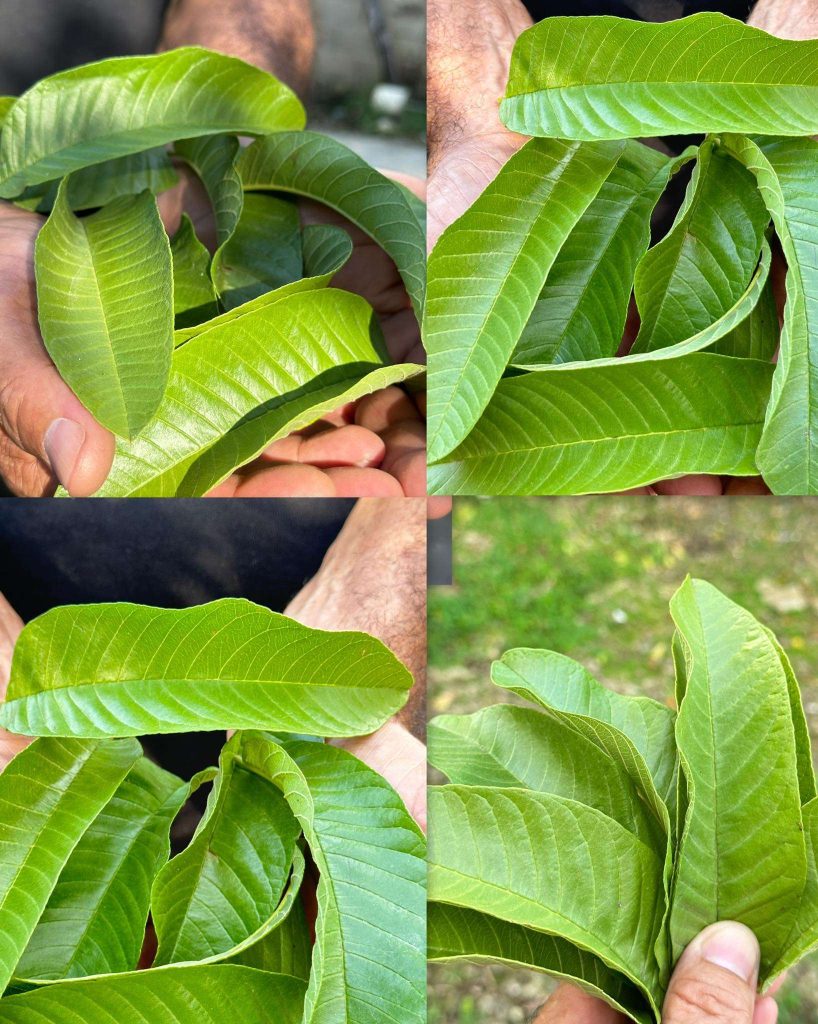
When we think of the guava tree, our minds often jump straight to its sweet, vitamin C-rich fruit 🍈. However, hidden in plain sight is another potent part of this remarkable plant: its leaves. For centuries in traditional medicine, particularly in Asia and Latin America, guava leaves have been a revered remedy for a myriad of health concerns. Modern science is now beginning to validate what these ancient practices have long known. This article delves into the impressive, research-backed benefits of guava leaves and provides practical ways to incorporate this natural powerhouse into your wellness routine.
The Science Behind the Leaf: Key Compounds and Properties 🧪
Guava leaves (Psidium guajava) are a rich source of powerful bioactive compounds. They are packed with antioxidants like quercetin and flavonoids, which combat oxidative stress and inflammation in the body. They also contain essential oils, tannins, and saponins, contributing to their therapeutic effects. These compounds work synergistically to offer antimicrobial, anti-inflammatory, and analgesic properties, making the humble guava leaf a multifaceted tool for health.
Top Health Benefits of Guava Leaves Explored
Let's explore the specific areas where guava leaf preparations, primarily tea, can make a significant impact on your health.
🌟 Digestive Health and Stomach Relief
Guava leaf tea is renowned for its ability to soothe digestive woes. Its anti-microbial properties help combat harmful bacteria like E. coli and Staphylococcus aureus in the gut, potentially reducing food poisoning risks. More commonly, it's used to alleviate diarrhea and dysentery by inhibiting certain pathogens and reducing intestinal spasms. For those with occasional indigestion or bloating, a warm cup after meals can promote comfort and smoother digestion.
📉 Blood Sugar Regulation
This is one of the most promising and studied benefits. Research suggests that compounds in guava leaves inhibit the absorption of certain types of sugars in the blood, such as maltose and sucrose. Drinking guava leaf tea may help prevent sharp spikes in blood glucose levels after meals. Some studies indicate it can improve insulin resistance, making it a valuable supportive habit for individuals managing prediabetes or type 2 diabetes. Always consult your doctor before using it as part of a diabetes management plan.
❤️ Heart Health and Cholesterol Support
Your cardiovascular system may also benefit. The antioxidants in the leaves help protect the heart from oxidative damage. More notably, regular consumption of guava leaf extract has been linked to lowering "bad" LDL cholesterol and triglycerides while maintaining "good" HDL cholesterol. This effect is attributed to the leaves' ability to enhance hepatic lipid metabolism, supporting overall heart health and reducing a key risk factor for heart disease.
✨ Skin, Hair, and Anti-Aging Benefits
Guava leaves aren't just for internal use. Their high antioxidant content fights free radicals that cause skin aging. A cooled guava leaf tea can be used as a facial toner to reduce acne, inflammation, and blackheads due to its antibacterial and astringent qualities. For hair health, boiling the leaves into a potent rinse can strengthen hair follicles, potentially combatting hair loss and promoting a healthier scalp. It's a true inside-out beauty treatment! 💆♀️
⚖️ Weight Management Aid
While not a magic solution, guava leaves can support weight management efforts. By preventing the conversion of complex carbohydrates into usable sugars, the body has less readily available sugar to convert into fat. Furthermore, replacing sugary beverages with unsweetened guava leaf tea reduces calorie intake. Its potential to regulate blood sugar also helps manage cravings, making it easier to maintain a balanced diet.
How to Use Guava Leaves: Practical Tips and Methods 🍵
Harnessing these benefits is simple. The most common method is making a tea:
To make guava leaf tea:
- Wash 5-10 fresh, organic guava leaves thoroughly (or use 1 tablespoon of dried leaves).
- Boil them in about 1 liter (4 cups) of water for 10-15 minutes.
- Strain the leaves and allow the tea to cool. You can drink it warm or chilled.
- For taste, you can add a hint of honey, lemon, or ginger, but avoid sugar to maximize health benefits.
You can also find guava leaf extract in supplement form (capsules or tinctures). For topical use, create a strong decoction, let it cool, and apply it to the skin or scalp with a cotton pad.
Important Precautions and Side Effects ⚠️
While generally safe for most people, it's crucial to exercise caution. Guava leaf tea is potent. Start with a weak tea or small amount to see how your body reacts. Pregnant or breastfeeding women should avoid it due to a lack of safety data. As it can affect blood sugar, individuals on diabetes medication must monitor their levels closely and consult a healthcare provider to avoid hypoglycemia. The same goes for those on blood-thinning medications, as the leaves may have a mild anticoagulant effect.
Conclusion: Embracing a Leaf of Life
In summary, guava leaves are a versatile, accessible, and natural supplement with a broad spectrum of health applications. From stabilizing blood sugar and aiding digestion to promoting radiant skin and a healthier heart, the evidence is compelling. By incorporating guava leaf tea into your routine, you're tapping into an ancient wisdom supported by modern science. Remember, it's a complement to a healthy lifestyle, not a replacement for medical treatment or a balanced diet. Why not brew a cup today and experience the subtle, nurturing power of nature's pharmacy? Your journey to holistic wellness might just begin with a single leaf. 🌱
Deja una respuesta