Benefits of Guava Leaves
 Espanol
Espanol
The Humble Guava Leaf: Unlocking Nature's Secret for Health and Wellness 🍃
When we think of the guava tree, our minds often go straight to its delicious and vitamin C-rich fruit. 🌳 However, a treasure trove of benefits lies in an often-overlooked part of this remarkable plant: its leaves. For centuries, traditional medicine systems across the globe have harnessed the power of guava leaves. Modern science is now catching up, validating what ancient healers knew all along. This article delves into the extensive, evidence-backed benefits of guava leaves, offering you practical ways to incorporate this natural powerhouse into your daily wellness routine.
Nutritional Powerhouse: What's Inside the Leaf? 🔬
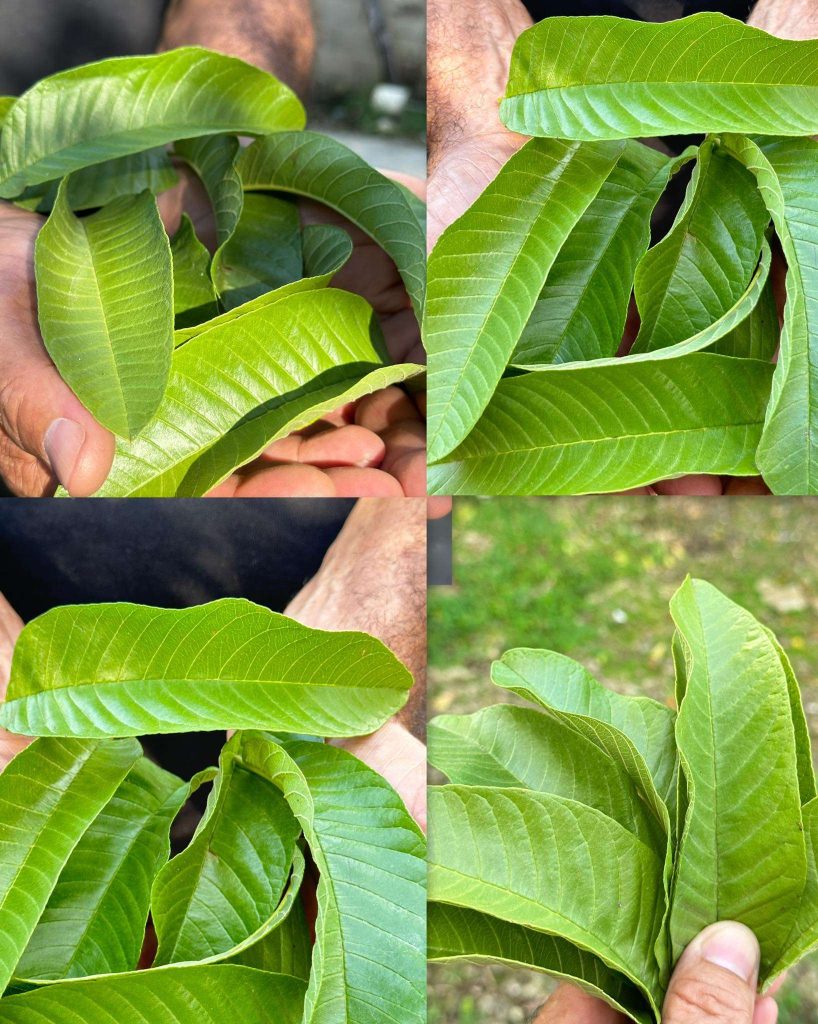
Guava leaves (Psidium guajava) are packed with a potent blend of bioactive compounds. These include powerful antioxidants like quercetin and flavonoids, anti-inflammatory agents such as tannins and saponins, and essential vitamins (notably Vitamin C and B vitamins). This unique composition is responsible for the leaf's wide-ranging therapeutic effects, from fighting microbes to regulating blood sugar. Understanding this rich profile helps us appreciate why a simple leaf can be so effective.
Top Health Benefits Backed by Tradition and Science
1. A Natural Ally for Blood Sugar Management 📉
One of the most celebrated benefits of guava leaves is their positive impact on blood glucose levels. Compounds in the leaves inhibit the absorption of certain types of sugars in the bloodstream, such as maltose and sucrose. Drinking guava leaf tea after meals may help prevent blood sugar spikes. Several studies suggest it can improve insulin resistance, making it a valuable complementary approach for managing type 2 diabetes. However, it is crucial to consult with your healthcare provider before using it alongside diabetes medication. 🩺
2. Boosting Digestive Health and Soothing Discomfort 🤢➡️😌
Guava leaves are fantastic for your gut. Their antimicrobial properties can help combat harmful bacteria like Staphylococcus aureus and E. coli, which are often responsible for foodborne illnesses and digestive upset. More famously, a warm brew of guava leaf tea is a time-honored remedy for acute diarrhea and dysentery, thanks to its astringent tannins that reduce intestinal inflammation and secretion. For a happy gut, consider sipping on a cup after a heavy meal. ☕
3. Enhancing Heart Health and Circulation ❤️
Your cardiovascular system can also benefit from guava leaves. The antioxidants help protect the heart from oxidative stress, while the leaf extract has been linked to lowering "bad" LDL cholesterol and triglycerides, and potentially raising "good" HDL cholesterol. Furthermore, the potassium and soluble fiber content contribute to healthy blood pressure levels. Supporting your heart health can be as simple as integrating this herbal tea into a balanced lifestyle.
4. Potent Support for Weight Loss Goals ⚖️
If you're on a weight management journey, guava leaves can be a helpful companion. They prevent complex carbohydrates from converting into sugars that the body would otherwise store as fat. This, combined with their zero-calorie nature when consumed as tea, makes them an excellent alternative to sugary beverages. Replacing your afternoon soda with a cup of guava leaf tea is a practical, positive step toward your goals.
5. Skin, Hair, and Oral Health Wonder 🧖♀️💇♂️🦷
The benefits extend beyond internal health. Crushed guava leaves applied topically can treat acne, blackheads, and skin inflammation due to their antiseptic qualities. A rinse made from boiled leaves is known to strengthen hair roots and combat dandruff. For oral health, chewing on tender leaves or using a mouthwash made from them can relieve toothache, heal mouth ulcers, and treat gingivitis because of their powerful anti-plaque and analgesic properties. 🦠
How to Use Guava Leaves: Practical Preparation Methods
To harness these benefits, here are the most common and effective ways to use guava leaves:
• Guava Leaf Tea (The Standard Brew): Rinse 5-10 fresh, organic leaves (or 1 tablespoon of dried leaves). Boil them in 1 liter of water for about 10 minutes. Strain and enjoy warm or cold. You can add a hint of honey or lemon for taste. Start with one cup per day to assess your body's response. 🫖
• Topical Application for Skin & Hair: Create a paste by crushing fresh leaves with a little water. Apply directly to affected skin areas. For a hair rinse, boil a handful of leaves, let the water cool, and use it as a final rinse after shampooing.
• Powdered Supplement: Dried guava leaves can be ground into a fine powder and added to smoothies, juices, or yogurt. This offers a concentrated dose of the beneficial compounds.
Important Precautions and Side Effects ⚠️
While generally safe for most people, it's essential to practice caution. Pregnant and breastfeeding women should avoid therapeutic doses due to a lack of sufficient safety data. As mentioned, those with diabetes or scheduled for surgery should consult a doctor, as guava leaves can affect blood sugar and coagulation. Possible side effects, though rare with moderate consumption, include stomach irritation or constipation. Always prioritize sourcing clean, pesticide-free leaves.
Conclusion: Embracing a Time-Tested Natural Remedy
From aiding digestion and blood sugar control to enhancing skin and heart health, the benefits of guava leaves are both vast and impressive. 🍃 This humble leaf embodies the principle that powerful medicine often comes from the simplest natural sources. By integrating guava leaf tea or its extracts into your routine, you're tapping into an ancient wisdom now supported by modern science. Remember, it is a complement to a healthy lifestyle, not a replacement for medical treatment or a balanced diet. Why not start by brewing your first cup today and experience the natural, nurturing power of the guava tree? Your journey to holistic wellness might just begin with a single leaf.
Deja una respuesta