Benefits of Guava Leaves
 Espanol
Espanol
Unveiling Nature's Pharmacy: The Remarkable Benefits of Guava Leaves 🌿
Often overshadowed by its delicious fruit, the humble guava leaf is a powerhouse of wellness hiding in plain sight. While the "This Account has been suspended" message signals a digital halt, think of guava leaves as the opposite—a natural system booster. For centuries, traditional medicine has harnessed their potential, and modern science is now catching up, validating their incredible health-promoting properties. This article delves deep into the science and practical applications of guava leaves, moving beyond superficial claims to offer you a comprehensive guide on how this accessible plant can contribute significantly to your health regimen. Get ready to discover why you should look past the fruit and start valuing the foliage.
Nutritional Powerhouse: What's Inside the Leaf? 🔬
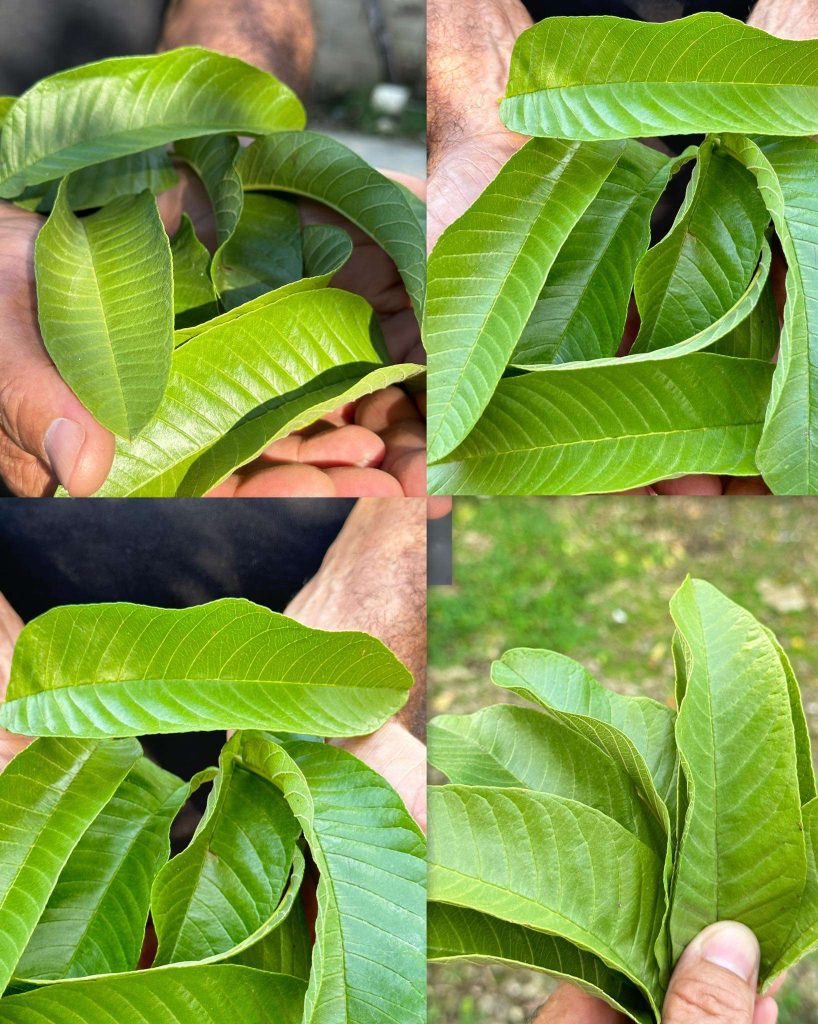
Guava leaves (Psidium guajava) are densely packed with a symphony of bioactive compounds that work in synergy. They are exceptionally rich in potent antioxidants like quercetin, flavonoids, and carotenoids, which combat oxidative stress and cellular damage. Furthermore, they contain significant anti-inflammatory agents, such as guaijaverin, and essential vitamins like Vitamin C and niacin. Perhaps most notably for metabolic health, compounds in the leaves have been shown to inhibit the absorption of certain types of sugars in the gut, making them a subject of great interest for blood sugar management. This complex phytochemical profile is the foundation for their wide-ranging therapeutic effects.
Key Health Benefits and Practical Applications 💚
The true value of guava leaves lies in their diverse applications. Here, we explore the most evidence-backed benefits and how you can harness them.
1. Supporting Digestive Wellness 🤢
Guava leaf tea is a renowned remedy for gastrointestinal distress. Its strong anti-bacterial properties can help curb foodborne pathogens like Staphylococcus aureus and E. coli, potentially reducing the risk of infection. More commonly, it is used to soothe symptoms of diarrhea and dysentery by inhibiting microbial activity. For practical use, drinking a cup of warm guava leaf tea at the first sign of stomach discomfort can provide soothing relief.
2. A Friend to Metabolic Health 🩺
Numerous studies, including several published in journals like Nutrition & Metabolism, suggest that guava leaf extract can improve insulin resistance and lower blood sugar levels. The leaves inhibit enzymes like alpha-glucosidase, which slows the breakdown of carbohydrates into glucose, leading to a more gradual rise in blood sugar after meals. Consulting with a healthcare professional about incorporating guava leaf tea could be a supportive measure alongside a balanced diet for those managing their blood sugar. It is not a replacement for medication but a potential complementary ally.
3. Boosting Heart Health ❤️
The benefits extend to the cardiovascular system. The leaves' high potassium and antioxidant content help regulate blood pressure by improving sodium-potassium balance and promoting vasodilation. Furthermore, they may help lower "bad" LDL cholesterol and triglycerides, reducing a key risk factor for atherosclerosis. Making a habit of replacing one sugary drink per day with unsweetened guava leaf tea is a simple, heart-smart swap.
4. Enhancing Skin and Hair Beauty ✨
Topically, guava leaves are a skin savior. Their antimicrobial and anti-inflammatory properties make them excellent for treating acne and skin infections. Crushing the leaves into a paste and applying it to affected areas can reduce redness and speed up healing. For hair, a rinse made from boiled leaves is traditionally used to combat hair loss and dandruff, thanks to its nutrient content that may strengthen hair follicles. Always do a patch test first to ensure you don't have a skin sensitivity.
How to Prepare and Use Guava Leaves: A Practical Guide 🍵
To reap the benefits, proper preparation is key. You can use fresh, organic leaves or dried leaves available in herbal shops.
For Tea (Infusion):
- Thoroughly wash 5-10 fresh leaves (or 1 tablespoon dried).
- Add them to a pot with about 2 cups of water.
- Bring to a boil, then reduce heat and simmer for 10-15 minutes to extract the compounds.
- Strain the leaves and enjoy the tea warm or cool. You can add a dash of honey or lemon for flavor, but avoid sugar to maximize health benefits.
For Topical Use:
- Create a paste by grinding clean, fresh leaves with a little water.
- For a hair rinse, boil a large handful of leaves in a liter of water for 20 minutes, let it cool, and use it as a final rinse after shampooing.
Crucial Note: While generally safe, it is essential to consult with your doctor before making it a regular part of your routine, especially if you are pregnant, breastfeeding, on medication (particularly for diabetes or blood thinners), or have scheduled surgery.
Conclusion: Embracing a Leaf of Faith 🌱
From aiding digestion and supporting metabolic health to nurturing your skin and heart, guava leaves offer a remarkable, natural adjunct to a healthy lifestyle. They remind us that sometimes the most potent remedies are not exotic finds but parts of common plants we overlook. By understanding their rich phytochemical makeup and learning their practical applications—from a simple daily tea to a targeted topical paste—you can unlock a versatile tool in your wellness arsenal. Start by introducing a mild guava leaf tea and observe how your body responds. As with any natural remedy, consistency and informed use are key. Embrace this gift from nature, but always partner that knowledge with professional medical advice for a balanced and safe approach to your health journey.
Deja una respuesta