Benefits of Guava Leaves
 Espanol
In the world of natural wellness, some of the most powerful remedies are often found in our own backyards. 🌿 While the sweet, fragrant guava fruit is widely celebrated, its vibrant green leaves hold a treasure trove of health benefits that have been utilized in traditional medicine for centuries. This article delves into the science-backed advantages of incorporating guava leaves into your health regimen, offering practical ways to harness their potential for a healthier, more vibrant you. Let's explore the hidden power of this humble foliage.
Espanol
Unlocking the Nutritional Powerhouse 🍃
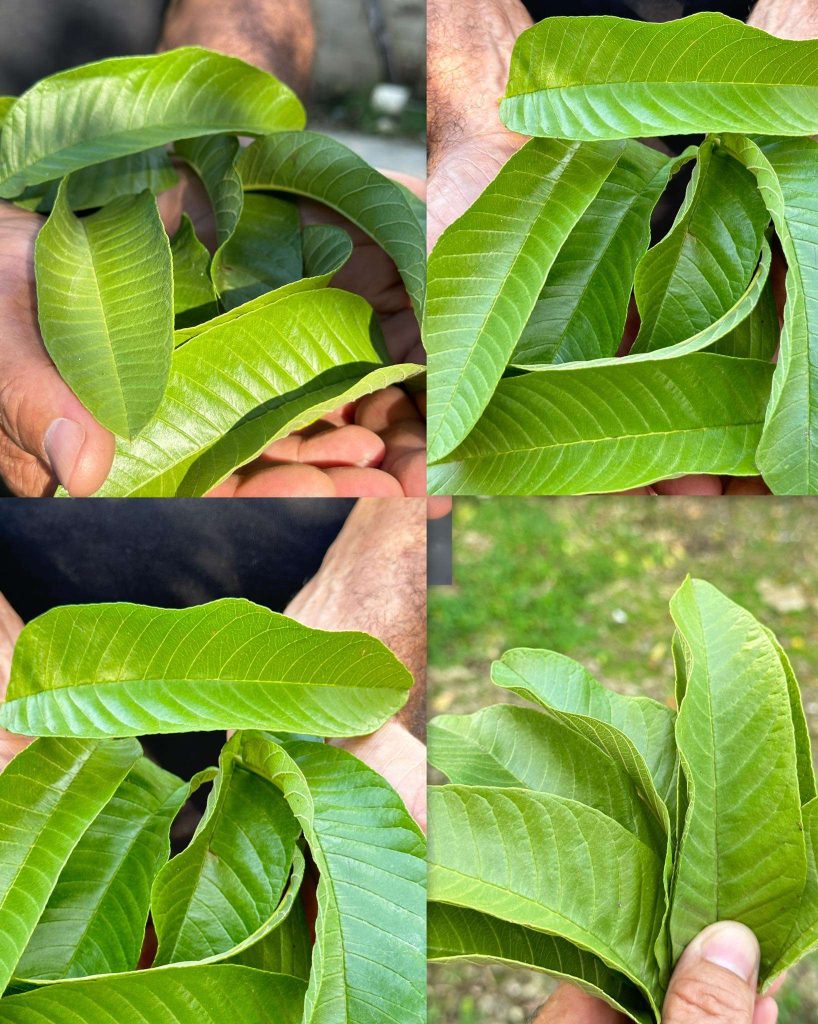
Guava leaves (Psidium guajava) are packed with a rich array of bioactive compounds that contribute to their therapeutic effects. They are an excellent source of antioxidants like quercetin and flavonoids, which combat oxidative stress and cellular damage. Furthermore, they contain potent anti-inflammatory agents and essential vitamins, notably vitamin C and B vitamins. This unique composition makes them far more than just tree debris; they are a concentrated natural supplement waiting to be utilized. Understanding this nutritional profile is the first step to appreciating their wide-ranging applications.
A Friend to Your Digestive System 🤢➡️🤗
One of the most celebrated traditional uses of guava leaf is for gastrointestinal support. The leaves possess antimicrobial and anti-spasmodic properties that can help soothe an upset stomach and combat harmful bacteria. For those suffering from diarrhea or food poisoning, a warm tea made from guava leaves can provide significant relief by reducing the frequency and discomfort. For optimal digestive benefits, steep 5-6 fresh, clean leaves in boiling water for about 10 minutes and drink the strained liquid. This simple tea can act as a gentle, effective tonic for your gut health.
Supporting Balanced Blood Sugar Levels 📊
Emerging research points to guava leaf tea as a promising adjunct for managing blood glucose levels. Compounds in the leaves appear to inhibit the absorption of certain types of sugars in the blood, such as maltose and sucrose. Several studies have shown that drinking guava leaf tea after meals can help prevent sharp spikes in blood sugar, which is crucial for individuals with insulin resistance or type 2 diabetes. While not a replacement for prescribed medication, it is a supportive dietary habit worth discussing with your healthcare provider.
Boosting Heart Health and Circulation ❤️
Heart health is multifaceted, and guava leaves contribute in several key ways. The high potassium content helps regulate blood pressure by counteracting the effects of sodium and easing tension in blood vessel walls. Additionally, the leaves may help improve lipid profiles by lowering "bad" LDL cholesterol and triglycerides while raising "good" HDL cholesterol. This combination of effects supports overall cardiovascular function. Incorporating a daily cup of guava leaf tea can be a heart-smart move as part of a balanced diet and active lifestyle.
Enhancing Skin and Hair Beauty ✨
The benefits of guava leaves extend to external beauty as well. Their antimicrobial and anti-inflammatory properties make them excellent for treating acne and skin blemishes. A simple paste or toner made from crushed leaves can reduce redness and fight infection-causing bacteria. For hair care, boiling guava leaves into a rinse can strengthen hair follicles, potentially reduce hair loss, and add a healthy shine. It’s a testament to how natural, whole-plant solutions can offer holistic care for both inside and out.
Practical Tips for Preparation and Use ☕
To fully harness these benefits, knowing how to prepare guava leaves correctly is essential. You can use fresh, organic leaves or dried leaves, which are often available in specialty health stores.
- For Tea: Wash 5-7 leaves thoroughly. Crush them slightly to release their compounds and steep in hot water for 5-10 minutes. Strain and enjoy. You can add honey or lemon for taste.
- For Topical Use: Crush fresh leaves into a fine paste with a little water. Apply directly to affected skin areas as a mask, or boil a handful of leaves to use the cooled water as a facial toner or hair rinse.
- Important Note: While generally safe, always consult with a doctor before using guava leaves therapeutically, especially if you are pregnant, nursing, on medication (particularly for diabetes or blood thinners), or have a scheduled surgery.
Conclusion: Embracing Nature's Leafy Gift
From aiding digestion and supporting blood sugar balance to promoting radiant skin and a stronger heart, the guava leaf proves to be an exceptionally versatile natural remedy. 🍃 Its wide array of applications, backed by both tradition and growing scientific interest, makes it a valuable addition to a modern, health-conscious lifestyle. As we have seen, its power lies in its complex blend of antioxidants, anti-inflammatories, and essential nutrients. We encourage you to explore this natural option thoughtfully and consult with a healthcare professional to see how it might fit into your personal wellness journey. Start with a simple cup of tea and discover the profound benefits that can come from one of nature's most understated leaves.
Deja una respuesta