Benefits of Guava Leaves
 Espanol
Espanol
Unlocking Nature's Pharmacy: The Remarkable Benefits of Guava Leaves 🍃
Often overshadowed by its sweet, pink-fleshed fruit, the humble guava leaf is a powerhouse of wellness hiding in plain sight. 🌿 While many enjoy the guava for its taste, traditional medicine systems across the tropics have long revered its leaves for their potent medicinal properties. This article delves deep into the science and tradition behind guava leaves, transforming you from a casual observer into an informed advocate for this natural remedy. We will explore their nutritional profile, practical health applications, and how you can easily incorporate them into your daily routine for enhanced well-being.
The Science Behind the Green: Nutritional Powerhouse
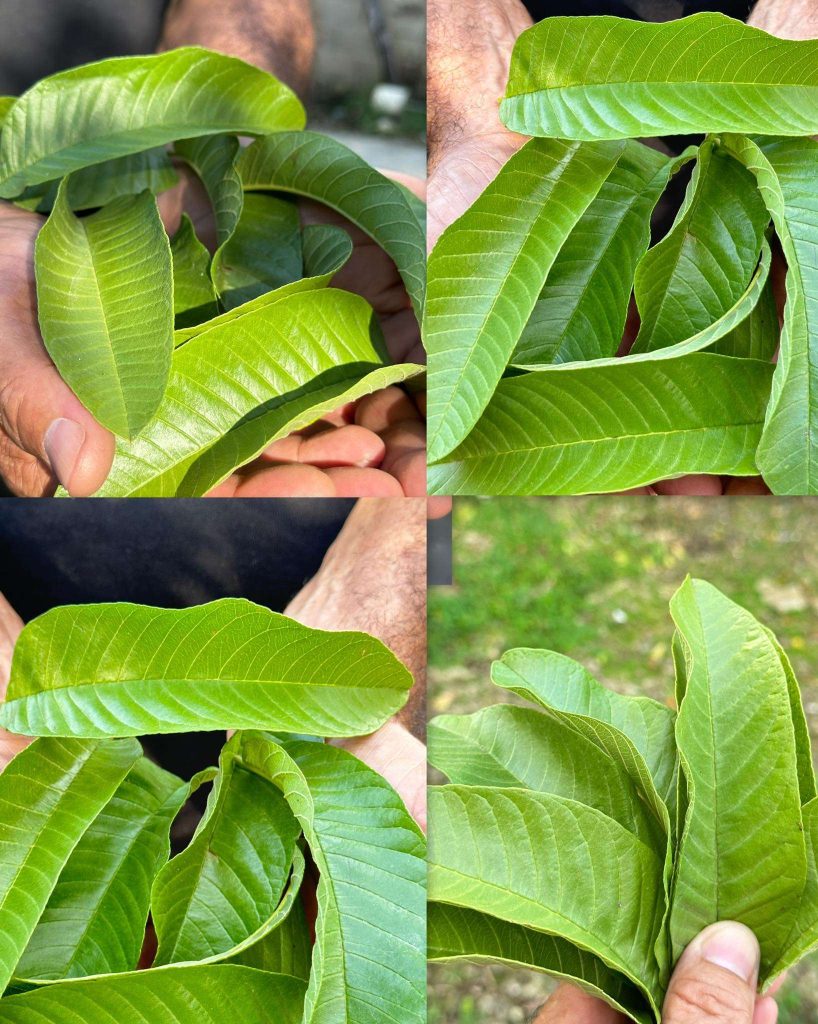
Guava leaves (Psidium guajava) are packed with a formidable array of bioactive compounds. They are exceptionally rich in potent antioxidants like quercetin and flavonoids, which combat oxidative stress and cellular damage. Furthermore, they contain vital anti-inflammatory agents, essential vitamins (notably Vitamin C and B vitamins), and minerals such as iron and potassium. This unique composition is responsible for their wide-ranging therapeutic effects, from regulating blood sugar to fighting microbial infections. 🧪✨
Top Health Benefits Explored
Let's break down the most significant, evidence-backed benefits of incorporating guava leaves into your health regimen.
1. Blood Sugar Regulation & Diabetes Management 🩺
Numerous studies suggest that guava leaf tea can help lower blood glucose levels and improve insulin resistance. The compounds in the leaves inhibit the absorption of certain types of sugars in the bloodstream, such as maltose and sucrose. A practical tip: Drinking guava leaf tea after meals may help prevent blood sugar spikes, making it a valuable complementary habit for those managing diabetes or pre-diabetes.
2. Digestive Health Champion 🤢➡️🤗
Guava leaves possess strong antibacterial and anti-inflammatory properties that can soothe the gastrointestinal tract. They are effective against common culprits like E. coli and Staphylococcus aureus, making them useful in treating bacterial diarrhea and food poisoning. For digestive relief, consider brewing a strong cup of guava leaf tea at the first sign of stomach upset. The leaves' anti-spasmodic qualities can also help alleviate uncomfortable cramping and bloating.
3. Heart Health Support ❤️
The dual action of lowering "bad" LDL cholesterol and triglycerides while raising "good" HDL cholesterol contributes significantly to cardiovascular health. The high potassium content helps regulate blood pressure by counteracting the effects of sodium and easing tension in the blood vessel walls. Consistent, long-term consumption of guava leaf infusion is key to seeing these cardioprotective benefits.
4. Skin & Hair Elixir ✨
Applied topically, a cooled guava leaf decoction can work wonders for your skin. Its antimicrobial and anti-inflammatory properties make it excellent for treating acne, reducing redness, and minimizing the appearance of wrinkles. You can use it as a facial toner or add it to a warm bath for overall skin soothing. For hair, rinsing with guava leaf tea is believed to strengthen roots, combat dandruff, and promote healthy growth.
5. Immune System Booster and Anti-Cancer Potential 🛡️🔬
The high concentration of Vitamin C and antioxidants fortifies the body's natural defenses against common pathogens like viruses and bacteria. More intriguingly, preliminary research indicates that the lycopene and quercetin in guava leaves may have anti-proliferative effects on certain cancer cells, though more human studies are needed. This highlights their role not just in treatment but potentially in proactive, preventative health.
How to Use Guava Leaves: Practical Methods & Recipes
Harnessing these benefits is surprisingly simple. Here are the most common and effective methods:
Guava Leaf Tea (Infusion): The most popular method. Thoroughly wash 5-10 fresh leaves (or use 1 tablespoon of dried leaves). Add them to a pot with about 500ml (2 cups) of boiling water. Reduce heat and let it simmer for 10-15 minutes to extract the compounds. Strain and enjoy. You can drink it warm or cold, and add honey or lemon for taste. 🫖
Topical Application: For skin or hair, prepare a stronger decoction by simmering a larger handful of leaves in water for 20+ minutes. Allow it to cool completely, then strain. Apply directly to the skin with a cotton pad or use as a final hair rinse after shampooing.
Supplement Form: Guava leaf extract is also available in capsule or tincture form. Always consult with a healthcare professional before starting any new supplement regimen, especially if you are on medication.
Important Considerations and Precautions
While generally safe for most people, moderation is key. Excessive consumption may lead to constipation or stomach irritation in some individuals. Pregnant and breastfeeding women should consult their doctor before use. Due to their potent effect on blood sugar, those with diabetes on medication must monitor their levels closely to avoid hypoglycemia. Start with a small amount to see how your body reacts. ⚠️
Conclusion: Embracing a Leaf of Life
From regulating metabolism to rejuvenating skin, the guava leaf proves that profound healing often comes from nature's simplest offerings. 🌳💚 This article has journeyed beyond the surface, revealing a versatile natural remedy supported by both tradition and emerging science. By integrating guava leaf tea into your wellness routine or exploring its topical uses, you are tapping into an ancient, accessible source of vitality. We encourage you to experience its benefits firsthand—brew a cup, observe its effects, and take a proactive step towards holistic health. Remember, the greatest wellness journeys often begin with a single leaf.
Deja una respuesta