Benefits of Guava Leaves
 Espanol
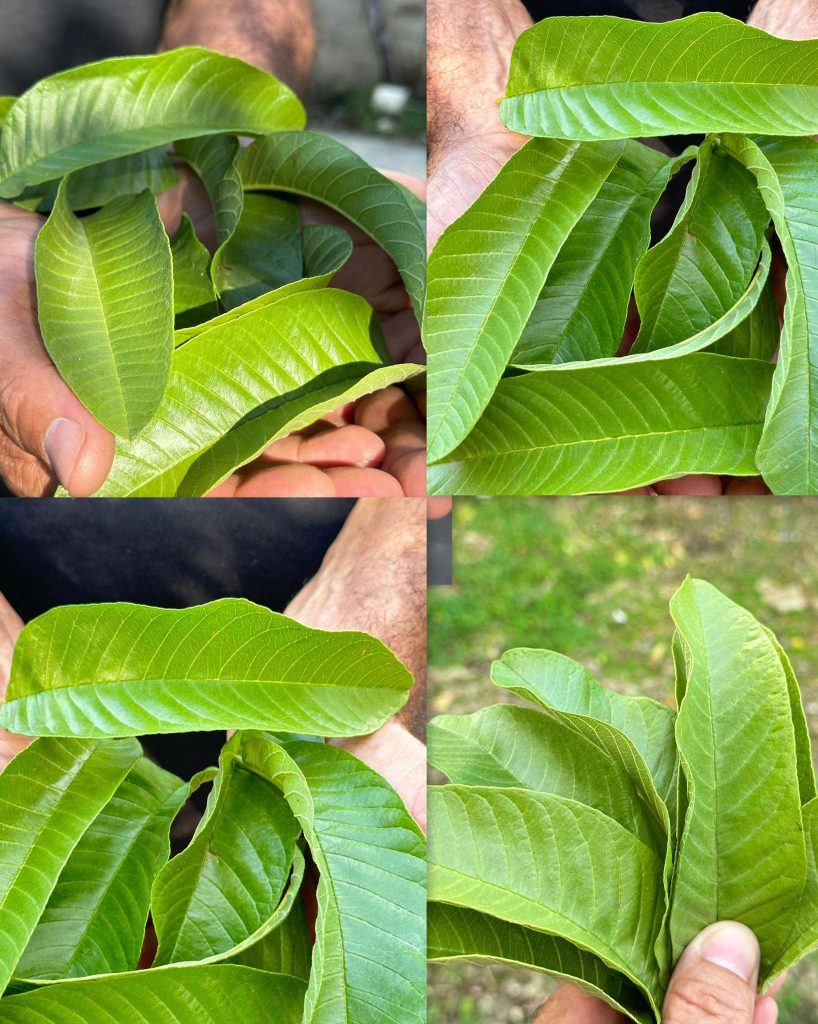
Have you ever walked past a guava tree and admired its fruit without a second thought for its leaves? 🌿 While the sweet, tangy guava fruit rightfully claims the spotlight, its vibrant green leaves hold a treasure trove of health benefits that have been cherished in traditional medicine for centuries. From soothing digestive woes to regulating blood sugar, the humble guava leaf is a potent, natural remedy waiting in your backyard or local market. This article delves into the science-backed and traditional advantages of incorporating guava leaves into your wellness routine, offering practical ways to harness their power. Let's unlock the secrets of these versatile leaves and explore how they can contribute to a healthier you.
Espanol
Beyond the Fruit: An Introduction to Guava Leaf Power
Guava (Psidium guajava) is a tropical plant celebrated globally for its delicious fruit. However, its leaves are the true unsung heroes. Packed with powerful antioxidants like flavonoids, carotenoids, and polyphenols, as well as anti-inflammatory and antimicrobial compounds, these leaves offer a natural, multi-faceted approach to health. 🍃 Unlike the fruit, the leaves are typically used to make tea, extracts, or topical preparations, providing a concentrated dose of their beneficial properties. Their use spans cultures, from Ayurveda in India to folk medicine across Asia, Africa, and South America, highlighting their global reputation as a healing agent.
Digestive Health: A Soothing Relief for Your Gut
One of the most celebrated traditional uses of guava leaf is for gastrointestinal support. If you suffer from occasional stomach upsets, diarrhea, or indigestion, guava leaf tea might be your new best friend. The leaves contain compounds that exhibit antispasmodic and antimicrobial properties, which can help relax intestinal muscles and combat harmful gut bacteria. 🦠
Practical Tip: To ease digestive discomfort, steep 5-7 fresh or dried guava leaves in a cup of hot water for about 10 minutes. Strain and drink this tea once or twice a day. The astringent qualities of the leaves can help reduce symptoms of gastroenteritis and promote a healthier gut environment.
Blood Sugar Regulation: Supporting Metabolic Balance
Emerging research presents guava leaf tea as a promising complementary support for blood sugar management. Studies suggest that compounds in the leaves can inhibit certain enzymes that convert carbohydrates into glucose in the bloodstream, potentially leading to more moderate blood sugar levels after meals. 📊 While it is not a replacement for prescribed medication, incorporating the tea could be a supportive dietary measure. The leaves also contain quercetin, a flavonoid with noted anti-diabetic effects.
Heart Health: A Friend to Your Cardiovascular System
Your heart may benefit from guava leaves in several ways. The tea may help manage blood pressure and cholesterol levels. The antioxidants help prevent the oxidation of LDL ("bad") cholesterol, a key step in the formation of arterial plaque. Furthermore, the potassium and soluble fiber in the leaves contribute to healthy blood pressure and cholesterol profiles, supporting overall cardiovascular function. ❤️
Skin and Hair: Your Natural Beauty Elixir
Don't overlook the topical wonders of guava leaves! Their antimicrobial and anti-inflammatory properties make them excellent for skin health. A cooled guava leaf tea wash can be applied to the face to help combat acne and reduce redness. For minor wounds, insect bites, or skin irritations, a poultice made from crushed leaves can aid in disinfection and healing. ✨
For hair, boiling guava leaves in water creates a rinse that can strengthen hair follicles, potentially reduce hair fall, and combat dandruff due to its antiseptic nature. It’s a simple, chemical-free addition to your beauty regimen.
Immunity and Oral Health: A Dual Defense Shield
The high vitamin C content in guava leaves, though less than in the fruit, coupled with their immune-boosting flavonoids, makes guava leaf tea a great beverage during cold season. Its antimicrobial action extends to oral health; using the tea as a mouthwash may help reduce plaque, fight gum inflammation (gingivitis), and soothe mouth ulcers. 🛡️ Simply gargle with cooled, strong guava leaf tea for a refreshing and therapeutic rinse.
How to Use Guava Leaves: Practical Methods
To integrate guava leaves into your life, here are the most common methods:
Guava Leaf Tea: The simplest and most popular method. Use fresh (washed) or dried leaves. Crush them slightly to release oils, add to hot water, steep for 5-10 minutes, strain, and enjoy. You can add honey or lemon for taste.
Topical Application: For skin, boil a handful of leaves in water, let it cool, and use the liquid as a toner or wash. For hair, use the same liquid as a final rinse after shampooing.
Extract and Powder: Commercially available supplements like extracts and powders offer a concentrated form. Always consult a healthcare professional before starting any new supplement to ensure it's appropriate for you and doesn't interact with medications.
Conclusion: Embracing Nature's Green Pharmacy
From aiding digestion and supporting metabolic health to enhancing your skin's glow and protecting your heart, guava leaves are a remarkable example of nature's pharmacy. 🌿 While they are generally safe for most people, moderation is key, and medical advice is crucial for those with specific health conditions or who are pregnant/nursing.
We've explored how this often-overlooked part of the guava tree can offer a wide array of practical health benefits. Why not start with a simple cup of guava leaf tea? It’s a small, natural step toward harnessing centuries of traditional wisdom, backed by growing modern science. Remember, the journey to well-being is often enriched by returning to the simple, powerful remedies nature provides.
Deja una respuesta