Benefits of Guava Leaves
 Espanol
Welcome to a deep dive into the remarkable world of the guava tree, specifically its often-overlooked foliage. 🌿 While the sweet, fragrant fruit rightfully gets much attention, the leaves hold a treasure trove of benefits that have been utilized in traditional medicine for centuries. This article will explore the science and practical applications behind guava leaves, transforming them from simple greenery into a powerful ally for your health and wellness. Our goal is to provide you with clear, actionable knowledge about this natural resource.
Espanol
Beyond the Fruit: An Introduction to Guava Leaves
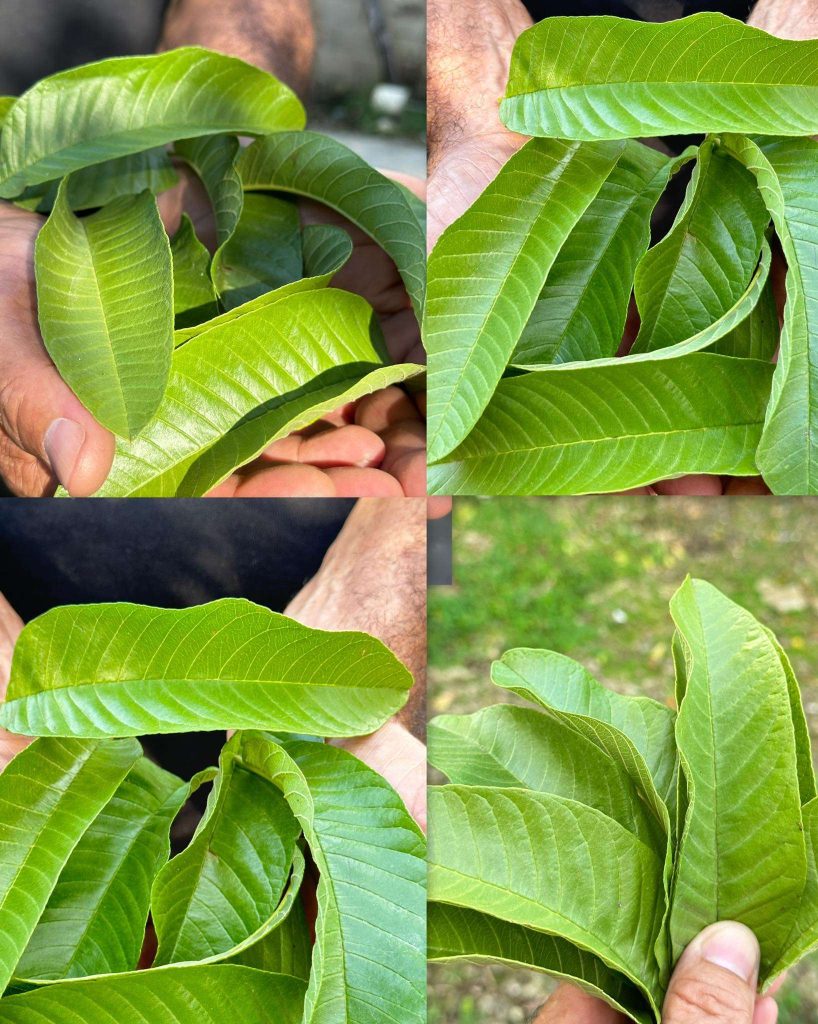
Guava (Psidium guajava) is a tropical plant native to Central and South America, but its cultivation has spread globally. Every part of the plant offers value, but the dark green, leathery leaves are particularly rich in antioxidants, vitamins (like Vitamin C and B), and beneficial plant compounds such as flavonoids, tannins, and essential oils. 🌎 Modern research is beginning to validate what folk medicine has long proclaimed: these leaves are a potent, natural remedy for a variety of common ailments.
Unlocking the Health Benefits: A Closer Look
The true power of guava leaves lies in their diverse phytochemical profile. Let's break down their most significant and researched advantages for your health.
Blood Sugar Regulation: One of the most celebrated benefits is their potential to help manage blood sugar levels. Compounds in the leaves inhibit the absorption of certain types of sugars in the blood, such as maltose and sucrose. Drinking guava leaf tea after meals may help prevent blood sugar spikes. 🩸 Several studies suggest it can be a beneficial complementary practice for those managing diabetes or pre-diabetes, though it should not replace prescribed medication.
Digestive Health Champion: Guava leaves possess strong anti-microbial and anti-inflammatory properties that can soothe an upset stomach. They are effective against common digestive troublemakers like E. coli and Staphylococcus aureus bacteria. For issues like diarrhea, food poisoning, or general indigestion, a warm cup of guava leaf tea can provide relief and help reduce abdominal pain and discomfort. 🤢➡️😌
Skin and Hair Elixir: The antioxidants, particularly vitamin C, fight free radicals that cause oxidative stress and aging. The anti-inflammatory and antimicrobial qualities also make it excellent for topical use. Applying cooled guava leaf tea or a paste can help treat acne, reduce redness, and soothe skin irritations. For hair, rinsing with a guava leaf infusion is believed to strengthen roots, combat dandruff, and promote healthier growth. ✨
Heart Health and Cholesterol Support: Regular consumption of guava leaf extract or tea may contribute to improved cardiovascular health. The leaves can help lower "bad" LDL cholesterol and triglycerides while maintaining "good" HDL cholesterol. This, combined with their potential blood pressure-lowering effects (due to their potassium content and vasodilating properties), makes them a heart-friendly choice. ❤️
Practical Ways to Use Guava Leaves
Knowing the benefits is one thing; integrating them into your routine is another. Here are simple, effective methods.
Guava Leaf Tea: The most common and versatile method. Simply wash 5-10 fresh leaves (or use 1 tablespoon of dried leaves), gently crush them to release the oils, and steep in a cup of hot water for 5-10 minutes. Strain and enjoy. You can add honey or lemon for taste. For best results, consume 1-2 cups daily. 🍵
Topical Applications: For skin, prepare a strong tea, let it cool completely, and apply it to the affected area with a clean cotton ball. For a hair rinse, boil a large handful of leaves in a liter of water for 20 minutes, cool, strain, and use it as a final rinse after shampooing.
Dietary Supplement: Guava leaf extract is available in capsule or tincture form. Always consult with a healthcare professional before starting any new supplement regimen, especially if you have underlying health conditions or are on medication. 💊
Important Considerations and Safety
While guava leaves are generally safe for most people, moderation is key. Potential side effects from excessive consumption may include stomach upset or constipation. Pregnant and breastfeeding women should consult their doctor before using them medicinally. Furthermore, due to their blood sugar-lowering effects, individuals with diabetes must monitor their levels closely to avoid hypoglycemia when combining leaf consumption with diabetes medication. 🛡️
Conclusion: A Leaf Worth Discovering
In summary, guava leaves are far more than just tree decoration. They are a readily accessible, natural resource with a multitude of proven benefits, from aiding digestion and blood sugar control to enhancing skin vitality and heart health. 🍃 By incorporating guava leaf tea into your daily routine or using it topically, you can harness these ancient remedies backed by modern science. As we seek more natural paths to wellness, the humble guava leaf stands out as a simple yet profoundly effective option. We encourage you to explore its potential and experience the benefits firsthand—your journey to natural health might just begin with a single leaf.
Deja una respuesta