Benefits of Guava Leaves
 Espanol
Have you ever walked past a guava tree and admired its fragrant fruit, unaware that its humble leaves hold a treasure trove of wellness benefits? 🌿 Often overlooked, guava leaves have been a cornerstone of traditional medicine for centuries, and modern science is now catching up to their remarkable properties. This article delves deep into the world of guava leaves, moving beyond the basics to explore their profound impact on health, beauty, and daily wellness. We'll provide you with a comprehensive, practical guide to understanding and harnessing their power.
Espanol
Beyond the Fruit: An Introduction to Guava Leaf Power
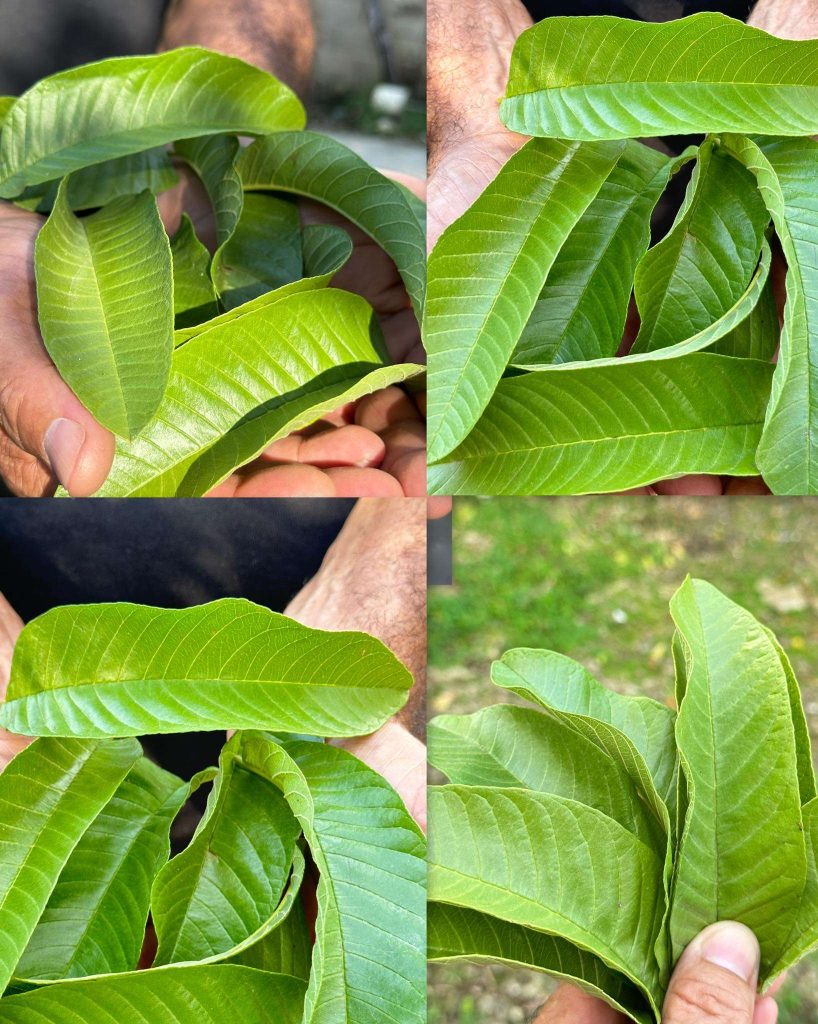
While the guava fruit is celebrated for its taste and vitamin C content, the leaves of the Psidium guajava tree are where true medicinal potency lies. Packed with antioxidants like quercetin, flavonoids, and essential vitamins, these leaves offer a natural, accessible approach to enhancing health. From brewing a simple tea to creating topical applications, their versatility is astounding. This isn't just folk wisdom; numerous studies support their use for a range of conditions, making them a valuable addition to your natural health toolkit.
Unlocking the Health Benefits: A Deep Dive
The benefits of guava leaves are extensive and interconnected. Let's explore the key areas where they make a significant impact.
Digestive Health Champion: 🤢 Guava leaves are perhaps best known for their gastrointestinal benefits. They possess strong antibacterial and anti-inflammatory properties that can combat harmful gut bacteria like Salmonella and E. coli. For those suffering from acute diarrhea or stomach cramps, a cup of guava leaf tea can provide relief by reducing the frequency of stools and soothing the intestinal lining. For practical use, steep 5-6 washed leaves in boiling water for 10 minutes and drink 2-3 times daily until symptoms subside.
Blood Sugar Regulator: 🩸 This is one of the most researched and promising benefits. Compounds in the leaves inhibit the absorption of certain types of sugars (like maltose and sucrose) in the bloodstream. For individuals managing type 2 diabetes or insulin resistance, incorporating guava leaf tea can help lower blood glucose levels without causing spikes. It's a supportive therapy that should be used in consultation with a healthcare provider, not as a replacement for prescribed medication.
Heart Health Guardian: ❤️ The trifecta of benefits for the cardiovascular system is impressive. Guava leaves can help lower "bad" LDL cholesterol and triglycerides, thanks to their high fiber and flavonoid content. Furthermore, their potassium and antioxidant levels support healthy blood pressure and protect the heart from oxidative stress. Consistent, long-term consumption as a tea is key to seeing these cardioprotective effects.
Immunity and Anti-Cancer Potential: 🛡️ The high concentration of antioxidants, particularly vitamin C and quercetin, boosts the immune system by neutralizing free radicals. This same radical-fighting activity is at the heart of ongoing research into guava leaves' anti-cancer properties. Studies suggest extracts may inhibit the growth of various cancer cells, showcasing their potential as a powerful adjunct to conventional prevention strategies.
Beauty and Topical Applications: Not Just for Ingestion
The benefits extend to external use, offering natural solutions for skin and hair care.
Skin Savior for Acne and Aging: 🌺 Guava leaves have potent antimicrobial and anti-inflammatory qualities, making them excellent for treating acne. A simple face wash can be made by boiling leaves, cooling the water, and using it to rinse your face. The antioxidants also fight signs of aging by protecting skin cells from damage, potentially reducing wrinkles and improving elasticity.
Hair Growth and Strength: 💇♀️ Boiling guava leaves into a rinse or creating a paste can address hair loss and scalp issues. The leaves are rich in nutrients like vitamin B, which strengthens hair follicles and promotes growth. Applying a cooled leaf decoction to the scalp can also help combat dandruff and itchiness due to its antifungal properties.
How to Incorporate Guava Leaves into Your Routine
Knowing the benefits is one thing; applying them is another. Here are the most effective methods:
- Tea/Decoction: The most common method. Crush 5-7 fresh, clean leaves (or use 1 tablespoon of dried leaves) and simmer in 2 cups of water for 10-15 minutes. Strain and enjoy. You can add honey or lemon for taste. Drink 1-2 cups daily.
- Topical Paste: Grind fresh leaves with a little water to create a paste. Apply directly to affected skin areas or on the scalp for 20-30 minutes before washing off.
- Extract & Supplements: For concentrated benefits, standardized extracts are available in capsule or tincture form. Always choose reputable brands and follow dosage instructions carefully.
⚠️ A crucial safety tip: While generally safe, pregnant or breastfeeding women and individuals on medication (especially for diabetes or blood thinning) should consult a doctor before regular use. Start with small amounts to check for any allergic reactions.
Conclusion: A Leaf of Multifaceted Wellness
In summary, guava leaves are far more than just tree foliage; they are a potent, natural reservoir of health-promoting compounds. From regulating blood sugar and aiding digestion to protecting your heart and enhancing your skin, their applications are both broad and deeply effective. By integrating guava leaf tea into your daily routine or using it as a targeted topical treatment, you are tapping into an ancient, science-backed tradition of natural healing. We encourage you to explore this readily available resource—your journey toward a more holistic approach to wellness might just begin with a single leaf. 🌱 Start slowly, observe the benefits, and consider consulting a healthcare professional to personalize your use. The path to natural health is often found in the most unexpected places.
Deja una respuesta