Benefits of Guava Leaves
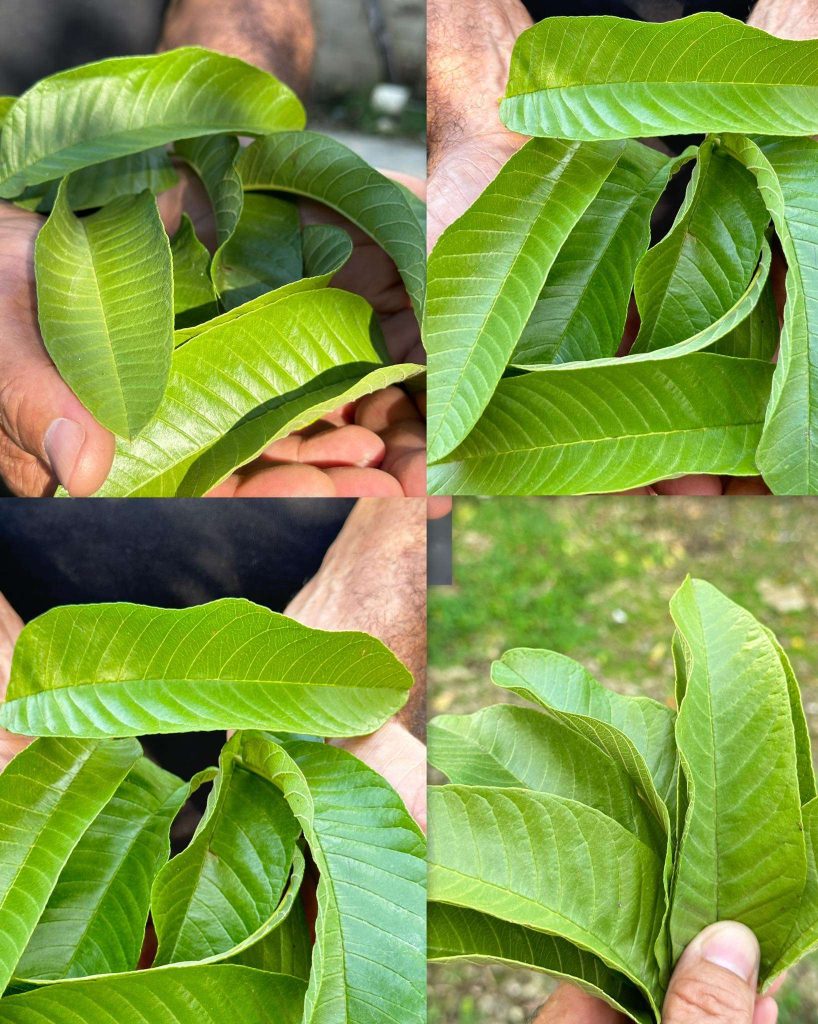
Unlocking Nature's Pharmacy: The Remarkable Benefits of Guava Leaves 🍃
 Espanol
Often overshadowed by its sweet, pink-fleshed fruit, the humble guava leaf is a powerhouse of wellness hiding in plain sight. 🌿 For centuries, traditional medicine systems across the tropics have harnessed their potent properties, and modern science is now catching up, validating what ancient healers long knew. This article delves deep into the impressive health and practical benefits of guava leaves, moving beyond superficial claims to provide you with a comprehensive, actionable guide. Whether you're seeking natural remedies or simply curious about botanical wonders, you're about to discover why these verdant leaves deserve a spot in your wellness toolkit.
Espanol
A Treasure Trove of Bioactive Compounds
Guava leaves (Psidium guajava) are not just simple foliage; they are a concentrated source of beneficial phytochemicals. They are exceptionally rich in antioxidants like quercetin, flavonoids, and carotenoids, which combat oxidative stress and cellular damage in the body. Furthermore, they possess powerful anti-inflammatory and antimicrobial agents, making them a versatile natural medicine. This potent combination is the foundation for their wide-ranging health applications, from internal wellness to external skincare.
Key Health Benefits Explored
Let's break down the specific, evidence-backed advantages of incorporating guava leaves into your health regimen.
📈 Blood Sugar Regulation: One of the most celebrated benefits is their positive effect on blood glucose levels. Compounds in the leaves inhibit the absorption of certain types of sugars in the intestine, such as maltose and sucrose. Drinking guava leaf tea after meals may help prevent blood sugar spikes, making it a valuable supportive habit for those managing insulin sensitivity or type 2 diabetes. Always consult your doctor alongside any natural remedy. 💊
🤢 Digestive and Gastrointestinal Relief: The leaves have strong anti-microbial and anti-spasmodic properties. They can inhibit the growth of harmful bacteria like Salmonella and E. coli, while soothing the intestinal lining. For bouts of diarrhea, stomach ache, or food poisoning, a warm cup of guava leaf tea can provide significant calming relief. Their anti-inflammatory nature also helps in soothing symptoms of gastritis and acid reflux.
❤️ Heart Health and Cholesterol Support: The antioxidants in guava leaves contribute to cardiovascular wellness. Studies suggest they can help lower "bad" LDL cholesterol and triglycerides while raising "good" HDL cholesterol. By preventing the oxidation of cholesterol, they help protect against atherosclerosis (hardening of the arteries), supporting long-term heart health. 🫀
🧴 Skin and Hair Elixir: Applied topically, guava leaf's antimicrobial and anti-inflammatory traits work wonders. A cooled tea rinse or paste can combat acne-causing bacteria, reduce redness, and accelerate wound healing. For hair, it strengthens follicles, reduces dandruff, and can even slow down premature graying. For a simple toner, steep leaves in hot water, let cool, and apply to your face with a cotton pad.
🦷 Oral Health Guardian: Thanks to their potent anti-inflammatory and antibacterial qualities, guava leaves are excellent for oral hygiene. Chewing on tender leaves or using a mouthwash made from leaf decoction can reduce gum inflammation (gingivitis), soothe toothache pain, and freshen breath by targeting odor-causing bacteria. 😁
How to Use Guava Leaves: Practical Tips
To reap these benefits, knowing how to prepare and use the leaves is key. You can use fresh, pesticide-free leaves or dried ones, often available in herbal shops.
The Classic Tea/Decoction: This is the most common and versatile method. Rinse 5-10 fresh leaves (or 1 tablespoon of dried leaves). Gently crush them to release their compounds. Boil them in about 1 liter of water for 10-15 minutes. Strain and enjoy warm or cold. You can add a dash of honey or lemon for flavor. Consume 1-2 cups daily, preferably after meals for digestive and blood sugar benefits. 🫖
Topical Applications: For skin and hair, prepare a stronger decoction by boiling more leaves in less water. Let it cool completely before using it as a facial rinse, hair final rinse, or applying it to affected skin with a clean cloth.
Leaf Powder: Dried leaves can be ground into a fine powder. This powder can be added to smoothies, juices, or even face masks for an internal and external boost.
Important Considerations and Precautions
While guava leaves are generally safe for most people, responsible use is paramount. Pregnant and breastfeeding women should avoid therapeutic use without medical consultation. If you are on medication for diabetes or blood thinning, consult your healthcare provider before regular consumption, as the leaves may potentiate the effects of these drugs. Start with small amounts to see how your body reacts. Remember, natural does not automatically mean risk-free for everyone.
Conclusion: Embracing a Leaf of Life
From regulating metabolic health to enhancing beauty routines, guava leaves offer a remarkable, multi-faceted natural solution. 🍃 Their strength lies in the synergy of powerful antioxidants, anti-inflammatory, and antimicrobial compounds, offering benefits that touch upon digestion, heart health, skin, and more. By learning to prepare a simple tea or topical application, you can harness this ancient wisdom in a modern context. We encourage you to explore guava leaves as a supportive element in your holistic health journey, always prioritizing quality sourcing and mindful consumption. Your path to natural wellness might just be growing on a tree nearby.
Deja una respuesta