Benefits of Guava Leaves
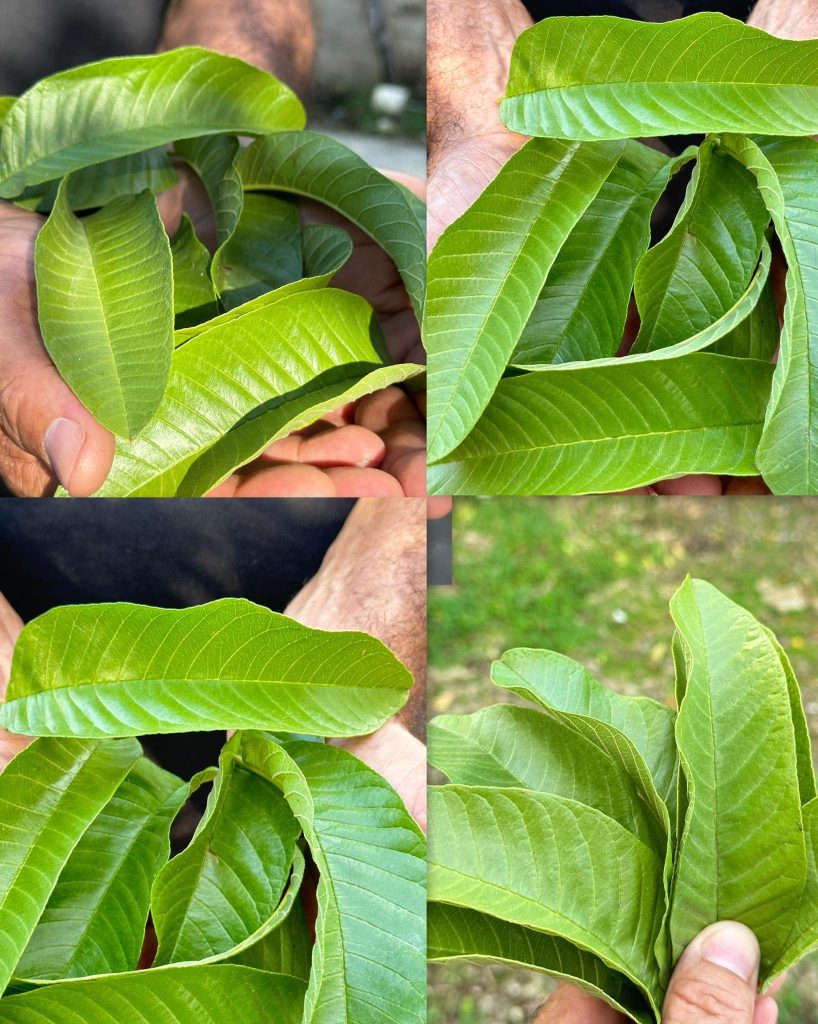
Introduction: Beyond the Fruit – Discovering the Power of Guava Leaves 🌿
 Espanol
When we think of the guava tree, our minds often jump straight to its delicious, vitamin C-packed fruit. However, a hidden treasure lies in its often-overlooked foliage. Guava leaves (Psidium guajava) have been a cornerstone in traditional medicine across various cultures for centuries, and modern science is now catching up to validate their impressive health benefits. This article delves deep into the remarkable advantages of incorporating guava leaves into your wellness routine. From stabilizing blood sugar to enhancing skin radiance, we will explore the practical, evidence-backed benefits and provide clear guidance on how to harness their power. Get ready to see this common tree in a completely new light.
Espanol
Nutritional Profile: A Powerhouse in a Leaf 🍃
Guava leaves are rich in bioactive compounds that contribute to their therapeutic effects. They contain powerful antioxidants like quercetin and flavonoids, which combat oxidative stress and inflammation in the body. Additionally, they are a source of essential vitamins (notably vitamin C and B vitamins) and minerals such as potassium and magnesium. Most importantly, they possess high levels of beneficial plant compounds like tannins, which have astringent properties, and potent antibacterial and anti-inflammatory agents. This unique combination is what makes the humble guava leaf a formidable ally for health.
Blood Sugar Regulation and Diabetes Support 🩺
One of the most celebrated benefits of guava leaves is their potential to aid in blood sugar management. Studies suggest that compounds in the leaves can help improve insulin sensitivity and slow the absorption of sugar in the blood. Drinking guava leaf tea after meals may help prevent spikes in blood glucose levels. For individuals with prediabetes or type 2 diabetes, this can be a valuable natural supportive measure, though it should never replace prescribed medication without a doctor's consultation. The anti-glycation properties of the leaves also help protect against long-term complications associated with high blood sugar.
Boosting Digestive Health and Combating Discomfort 🤢➡️😌
Guava leaves have been traditionally used to soothe a troubled stomach. Their antibacterial properties can help combat harmful gut bacteria like Salmonella and E. coli, potentially reducing the risk of foodborne illnesses and infections. Furthermore, the anti-inflammatory and antispasmodic effects can alleviate symptoms of indigestion, bloating, and cramping. For those suffering from diarrhea, the tannins act as a natural astringent, helping to firm up stools. A warm cup of guava leaf tea is a simple, effective remedy for occasional digestive upset.
A Friend to Your Heart and Circulation ❤️
Cardiovascular health can also benefit from guava leaves. The antioxidants help protect the heart from oxidative damage, while the potassium content supports healthy blood pressure levels by counteracting the effects of sodium. Some research indicates that regular consumption of guava leaf extract may help lower "bad" LDL cholesterol and triglycerides, two key risk factors for heart disease. By improving lipid profiles and reducing blood pressure, guava leaves contribute to a comprehensive approach to maintaining a healthy cardiovascular system.
Enhancing Skin Health and Combatting Aging ✨
Your skin can reap significant rewards from both internal consumption and topical application of guava leaves. The antioxidants fight free radicals that cause premature aging, such as wrinkles and fine lines. Their anti-inflammatory and antimicrobial properties make them excellent for treating acne, reducing redness, and preventing infections. You can create a simple facial toner by boiling leaves, letting the water cool, and applying it to the skin with a cotton pad. This can help tighten pores, tone the skin, and impart a natural glow, proving that beauty truly can come from the garden.
Practical Ways to Use Guava Leaves: From Tea to Topicals ☕
Incorporating guava leaves into your life is straightforward. The most common method is preparing a simple, therapeutic tea. Here’s how:
- Wash 5-10 fresh, organic guava leaves thoroughly.
- Add them to a pot with about 2 cups of water.
- Bring to a boil, then reduce heat and simmer for 10-15 minutes.
- Strain the leaves and enjoy the tea warm or cold. You can add honey or lemon for taste.
For topical use, you can use the cooled tea as a rinse for hair (to combat dandruff and promote growth) or as a skin toner. Crushed leaves can also be applied directly as a poultice on minor wounds or insect bites to speed up healing. Always ensure the leaves are clean and sourced from trees not treated with pesticides.
Important Considerations and Precautions ⚠️
While guava leaves are generally safe for most people, it's crucial to exercise caution. If you are pregnant, breastfeeding, or have a chronic health condition, consult your healthcare provider before using guava leaves medicinally. Due to their potential blood sugar-lowering effects, individuals on diabetes medication should monitor their levels closely to avoid hypoglycemia. As with any herbal remedy, start with small amounts to see how your body reacts. Moderation is key—typically, 1-2 cups of tea per day is considered a safe intake for most adults.
Conclusion: Embracing Nature's Versatile Remedy 🌳
Guava leaves are far more than just tree foliage; they are a potent, multi-purpose natural remedy with a robust scientific backing. From regulating metabolism and supporting heart health to clearing skin and aiding digestion, their benefits are both wide-ranging and profound. By learning to use these readily available leaves—primarily through a soothing cup of tea—you can tap into an ancient, yet highly relevant, source of wellness. We encourage you to explore this natural option, integrate it mindfully into your routine, and experience the holistic benefits that extend well beyond the beloved guava fruit. Here's to discovering health in unexpected, leafy places!
Deja una respuesta