Guava Leaves Benefits
 Espanol
Espanol
Unlocking the Power of Guava Leaves: More Than Just a Tree's Byproduct
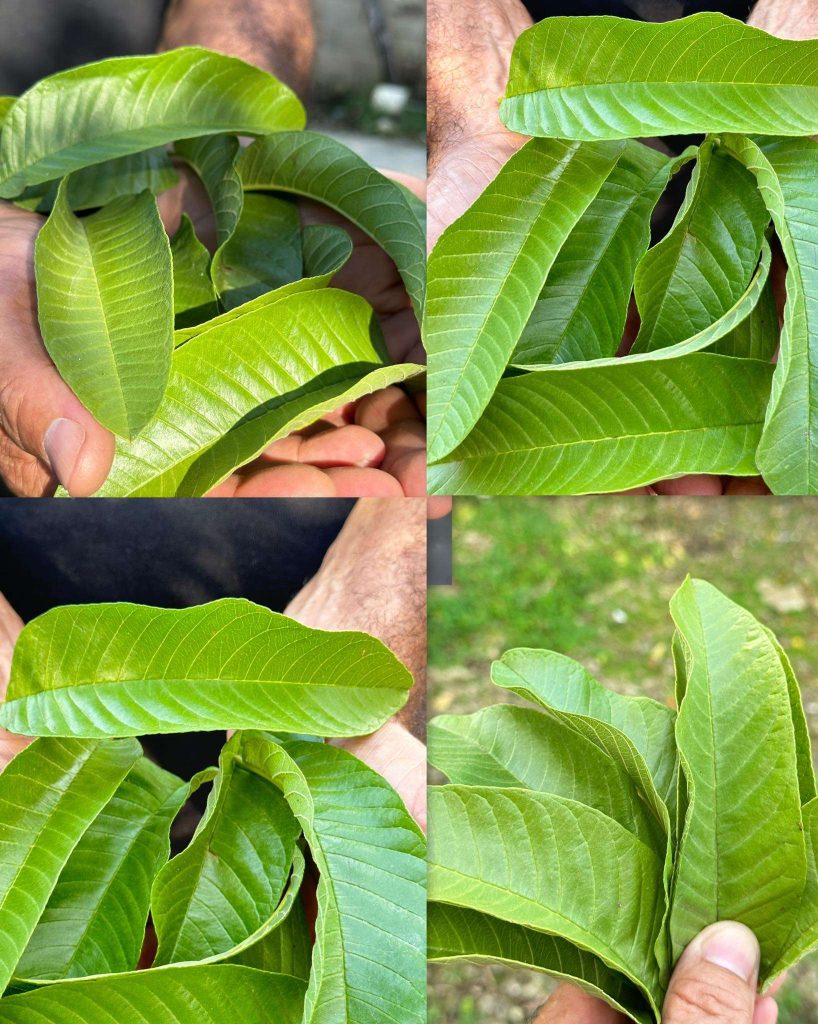
Often overshadowed by the sweet, tangy fruit they accompany, guava leaves are, in fact, a treasure trove of wellness waiting to be discovered. 🌟 For centuries, traditional medicine systems across the tropics have harnessed their potent properties, and modern science is now catching up, validating many of these age-old uses. This article delves deep into the remarkable benefits of Psidium guajava leaves, offering you a practical guide to integrating this natural powerhouse into your daily health routine. From managing blood sugar to enhancing skin radiance, let's explore how these humble leaves can contribute significantly to your well-being.
The Science Behind the Green: Nutritional Profile & Key Compounds 🔬
To understand the "why" behind the benefits, we must look at what guava leaves contain. They are exceptionally rich in antioxidants like flavonoids (particularly quercetin) and polyphenols, which combat oxidative stress and inflammation in the body. They are also a source of vital compounds such as tannins, saponins, and essential oils. Furthermore, guava leaves possess notable amounts of vitamin C and vitamin A, along with minerals like potassium and magnesium. This unique phytochemical cocktail is responsible for their broad-spectrum therapeutic actions, making them a versatile tool for natural health management.
Top Health Benefits of Guava Leaves: A Closer Look 👁️
The applications of guava leaves are impressively diverse. Here are some of the most significant, research-backed benefits:
📈 Blood Sugar Regulation: Several studies suggest that compounds in guava leaf tea can help improve insulin sensitivity and lower blood glucose levels. The leaves inhibit certain enzymes that convert carbohydrates into sugar in the bloodstream, making it a valuable supportive agent for metabolic health.
❤️ Heart Health Support: The hypolipidemic effect of guava leaves helps in reducing "bad" LDL cholesterol and triglycerides while supporting "good" HDL cholesterol. Their high potassium content also aids in regulating blood pressure, contributing to overall cardiovascular protection.
🦠 Digestive Wellness Ally: Renowned for their anti-diarrheal and antimicrobial properties, guava leaf tea can soothe an upset stomach, reduce abdominal pain, and combat harmful gut bacteria like Staphylococcus aureus and E. coli. The tannins provide an astringent effect that can relieve symptoms of gastroenteritis.
🩸 Menstrual Pain Relief: For those who experience dysmenorrhea (painful menstrual cramps), guava leaf extract has been shown to have a significant analgesic effect, potentially reducing the intensity of uterine contractions more effectively than some over-the-counter pain relievers.
🧠 Cognitive and Immune Boost: The antioxidants fight neuroinflammation, while the B vitamins (like niacin and pyridoxine) support nerve function and cognitive health. The immune-modulating properties, partly due to vitamin C, help the body fend off common infections.
Beauty and Skincare: Your Natural Cosmetic Secret ✨
The benefits aren't just internal. Topically, guava leaves are a boon for skin and hair. Their antimicrobial and anti-inflammatory qualities make them excellent for treating acne, blackheads, and skin infections. A simple face rinse with cooled guava leaf tea can tone the skin and reduce redness. For hair, boiling the leaves into a potent rinse can combat dandruff, strengthen hair follicles to prevent hair loss, and impart a natural shine, thanks to the nourishing nutrients that improve scalp health.
Practical Guide: How to Use Guava Leaves Effectively ☕
Incorporating guava leaves into your life is simple and cost-effective. The most common method is to prepare a tea.
How to Make Guava Leaf Tea:
- Wash 5-10 fresh, organic guava leaves thoroughly (or use 1 tablespoon of dried leaves).
- Boil them in 1-2 cups of water for about 10-15 minutes.
- Strain the liquid and allow it to cool slightly.
- You can enjoy it warm or cold. For flavor, add a touch of honey, lemon, or ginger. Consume 1-2 cups daily, preferably after meals for digestive benefits.
For topical use, use the same tea as a facial toner, a hair rinse after shampooing, or apply a poultice of crushed leaves directly on wounds or insect bites for faster healing.
Important Considerations and Precautions ⚠️
While generally safe for most people, it's crucial to practice moderation. Pregnant and breastfeeding women should consult a doctor before regular consumption. As guava leaves may lower blood sugar, individuals with diabetes or those scheduled for surgery should monitor their levels closely and inform their healthcare provider. Start with a small amount to see how your body reacts, especially if you have a sensitive digestive system.
Conclusion: Embracing a Leaf of Good Health 🍃
From a suspended account in your hosting to a powerhouse suspended in nature's canopy, the journey of discovery with guava leaves is profound. We have explored their robust scientific profile, multifaceted health benefits for blood sugar, heart, and digestion, their external beauty applications, and practical ways to use them. These leaves stand as a testament to the idea that sometimes the most potent remedies are found in the simplest of natural sources. By thoughtfully incorporating guava leaf tea or extracts into your regimen, you are not just following a trend but tapping into an ancient, holistic tradition of wellness. We encourage you to give this natural remedy a try and observe the positive changes it can bring to your health and vitality.
Deja una respuesta