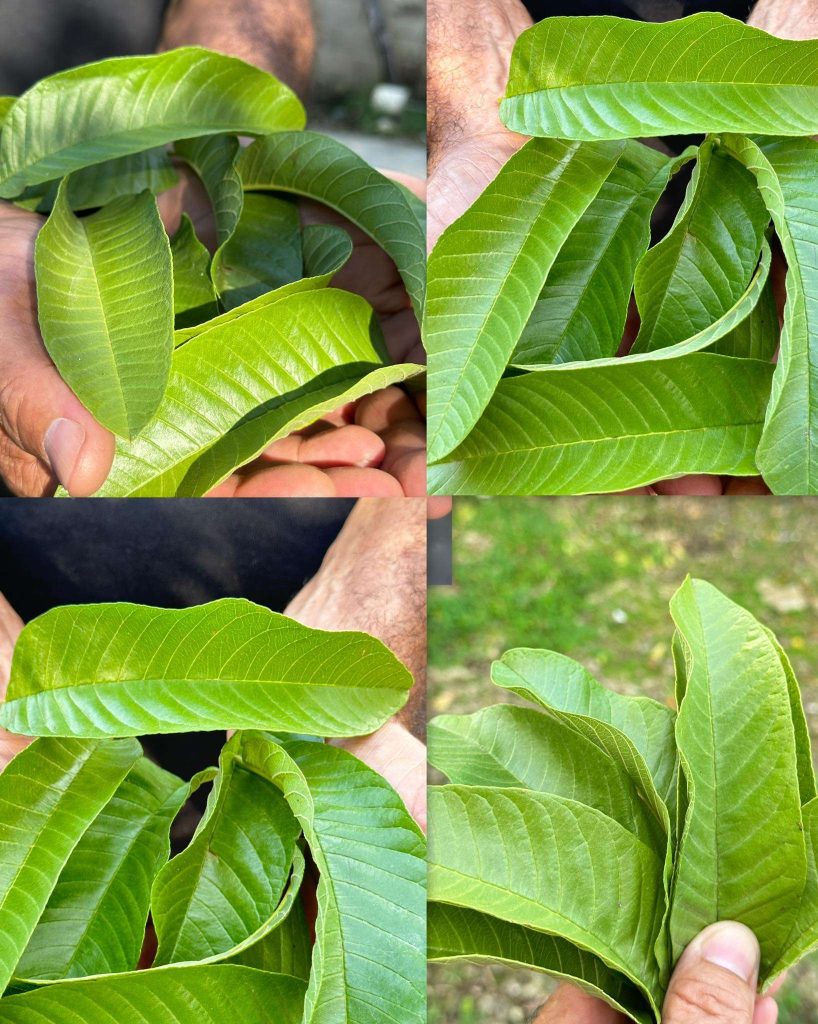
BENEFITS OF GUAVA LEAVES
 Espanol
Guava leaves are often overlooked in favor of the sweet, fragrant fruit, yet they hold a treasure trove of health benefits that have been utilized for centuries in traditional medicine. 🌿 This article explores the remarkable advantages of guava leaves, from boosting immunity to promoting digestive health, and provides practical tips on how to incorporate them into your daily routine. Whether you are seeking natural remedies or simply curious about plant-based wellness, understanding the power of guava leaves can be a game-changer for your health journey.
Espanol
🌱 Nutritional Profile of Guava Leaves
Guava leaves are packed with potent bioactive compounds, including flavonoids, tannins, and essential oils. They are rich in antioxidants like quercetin, lycopene, and vitamin C, which help combat oxidative stress and reduce inflammation. Additionally, guava leaves contain high levels of fiber and beneficial plant sterols that support overall well-being. Unlike the fruit, the leaves offer a concentrated dose of these nutrients, making them a powerful addition to herbal teas, extracts, or topical applications.
🩺 Top Health Benefits of Guava Leaves
1. Supports Digestive Health 🍃
One of the most celebrated uses of guava leaves is their ability to soothe digestive issues. The leaves contain antibacterial and anti-inflammatory compounds that help combat diarrhea, dysentery, and stomach infections. A simple tea made from fresh or dried guava leaves can relieve abdominal pain and reduce the frequency of loose stools. Chewing raw guava leaves is a traditional remedy for indigestion and bloating, as the natural enzymes aid in breaking down food more efficiently.
2. Boosts Immune System 🛡️
With their impressive vitamin C content—higher than many citrus fruits—guava leaves are a natural immune booster. Regular consumption of guava leaf tea helps strengthen the body’s defenses against common colds, flu, and other infections. The leaves also possess antimicrobial properties that inhibit the growth of harmful bacteria, including Salmonella and Staphylococcus aureus. Adding a cup of guava leaf infusion to your daily routine can be a simple yet effective way to stay healthy year-round.
3. Aids in Blood Sugar Control 💧
Emerging research suggests that guava leaves may help regulate blood glucose levels. The leaves contain compounds that inhibit the absorption of sugar from the intestines and improve insulin sensitivity. A study published in the Journal of Ethnopharmacology found that drinking guava leaf tea after meals significantly lowered postprandial blood sugar spikes. For individuals with type 2 diabetes or prediabetes, incorporating guava leaf extract under medical supervision could offer valuable support alongside conventional treatments.
4. Promotes Heart Health ❤️
Guava leaves are rich in antioxidants and potassium, which are essential for cardiovascular well-being. They help lower LDL (bad) cholesterol and triglycerides while increasing HDL (good) cholesterol. The leaves also have mild blood pressure-lowering effects due to their ability to relax blood vessels. Regular intake of guava leaf tea may reduce the risk of atherosclerosis and other heart-related conditions. A healthy heart starts with small, consistent habits—and guava leaves can be part of that routine.
5. Improves Skin Health and Wound Healing ✨
Topical application of guava leaf extract has been used for centuries to treat acne, cuts, and skin infections. The leaves’ astringent and antibacterial properties help tighten pores, reduce inflammation, and speed up wound healing. A paste made from crushed guava leaves can be applied to blemishes or minor wounds to prevent infection and promote tissue repair. Additionally, the antioxidants in guava leaves combat premature aging by neutralizing free radicals that damage skin cells.
6. Supports Oral Hygiene 🦷
Chewing fresh guava leaves or using a mouthwash made from their infusion can significantly improve oral health. The leaves have natural antibacterial and anti-plaque properties that reduce the risk of gum disease, cavities, and bad breath. A study in the International Journal of Dentistry found that guava leaf extract was as effective as commercial mouthwashes in reducing oral bacteria. Swishing with guava leaf tea twice a day can be a gentle yet powerful addition to your oral care routine.
🍵 How to Use Guava Leaves Effectively
There are several practical ways to incorporate guava leaves into your daily life. Below are the most common methods, each with its own benefits:
- Guava Leaf Tea: Boil 5–10 fresh or dried leaves in a cup of water for 10 minutes. Strain and drink warm. This is the most popular and gentle method for internal benefits.
- Extract or Tincture: Available in health food stores, concentrated extracts offer a potent dose for targeted issues like diarrhea or inflammation.
- Topical Paste: Crush fresh leaves with a little water to form a paste. Apply directly to acne, cuts, or insect bites for quick relief.
- Chewing Raw Leaves: For digestive aid, chew 2–3 tender leaves after meals. The bitter taste is mild and manageable.
- Guava Leaf Powder: Dried and ground leaves can be added to smoothies or used as a seasoning—though it’s less common.
Tip: Always start with a small amount to test your tolerance, especially if you are new to herbal remedies. Consult a healthcare professional before using guava leaves for medicinal purposes, particularly if you are pregnant, nursing, or taking medications.
⚖️ Potential Side Effects and Precautions
While guava leaves are generally safe for most people, some individuals may experience mild side effects. Excessive consumption of guava leaf tea can lead to constipation due to its high tannin content. Pregnant women should avoid high doses, as guava leaves may stimulate uterine contractions. Additionally, those with low blood pressure or on diabetes medications should monitor their levels closely, as guava leaves can further lower blood sugar and pressure. As with any herbal supplement, moderation is key.
🔬 Scientific Evidence and Traditional Wisdom
Modern research continues to validate the ancient uses of guava leaves. A 2020 review in the Journal of Herbal Medicine confirmed their antimicrobial, antidiabetic, and anti-inflammatory activities. Traditional Ayurvedic and Chinese medicine have long relied on guava leaves for digestive and skin disorders. This blend of empirical knowledge and scientific backing makes guava leaves a credible and accessible natural resource.
💡 Practical Tips for Maximizing Benefits
- Use organic guava leaves to avoid pesticides. If you have a guava tree at home, pick fresh leaves and rinse them thoroughly.
- Store dried leaves in an airtight container away from sunlight to preserve their potency.
- Combine guava leaf tea with other herbs like ginger or mint for enhanced flavor and synergistic effects.
- For skin issues, do a patch test before applying the paste to larger areas.
- Integrate guava leaf tea into your morning or evening routine for consistent benefits.
🌟 Conclusion: Embrace the Power of Guava Leaves
Guava leaves are far more than a byproduct of a delicious fruit—they are a versatile, evidence-backed natural remedy that can support your digestive, immune, cardiovascular, and skin health. 🌿 From a simple cup of tea to a healing topical paste, these leaves offer practical solutions for everyday wellness. Remember to use them wisely, listen to your body, and consult a professional when needed. By adding guava leaves to your health arsenal, you are tapping into centuries of traditional wisdom combined with modern science. Start small, stay consistent, and let nature’s green treasure work for you. 💚
Deja una respuesta