BENEFITS OF GUAVA LEAVES
 Espanol
Introduction
Espanol
🌿 When it comes to natural remedies, few plants offer as many powerful benefits as the humble guava leaf. While the fruit itself is beloved worldwide, the leaves of the guava tree (Psidium guajava) have been used for centuries in traditional medicine across Asia, Africa, and Latin America. Packed with antioxidants, anti-inflammatory compounds, and antimicrobial agents, guava leaves are a true wellness powerhouse. In this article, we will explore the scientifically supported benefits of guava leaves, how to incorporate them into your daily routine, and what precautions to keep in mind. Whether you're looking to improve digestion, manage blood sugar, or boost your skin health, guava leaves might be the natural ally you've been searching for. 🍃
What Are Guava Leaves? 🌱
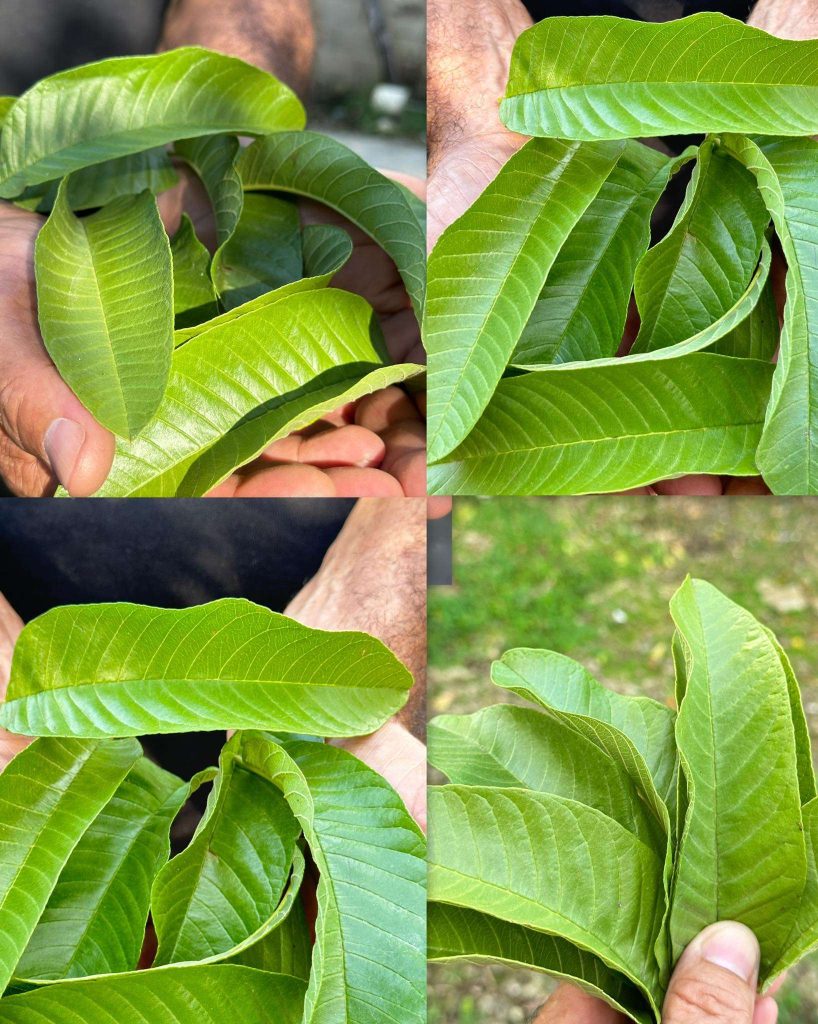
Guava leaves come from the guava tree, a tropical evergreen that produces the well‑known pink or white‑fleshed fruit. The leaves are oblong, dark green, and have a distinct aroma. They contain a rich profile of bioactive compounds, including flavonoids (like quercetin), tannins, essential oils, and vitamin C. These components give guava leaves their remarkable therapeutic properties. Unlike many herbal remedies that require complex preparation, guava leaves can be used fresh, dried, or as an extract, making them accessible for everyday wellness.
Top Health Benefits of Guava Leaves 🩺
1. Digestive Health Support 🌿
One of the most well‑known uses of guava leaves is for digestive issues. The leaves contain high levels of tannins, which have astringent properties that can help tighten and tone the intestinal lining. This makes them effective for managing diarrhea, dysentery, and stomach infections. A 2018 study published in the Journal of Ethnopharmacology found that guava leaf extract significantly reduced the duration and severity of diarrhea in children. To use, simply boil a handful of fresh leaves in water and drink the tea twice daily. For best results, avoid adding sugar, as it can counteract the astringent effect.
2. Blood Sugar Regulation 🩸
Guava leaves are gaining attention for their potential to help manage type 2 diabetes. Research indicates that the compounds in guava leaves can inhibit the absorption of sugars in the gut and improve insulin sensitivity. A 2019 clinical trial showed that participants who drank guava leaf tea experienced a significant reduction in post‑meal blood glucose levels. Incorporate guava leaf tea into your routine after meals to help stabilize blood sugar spikes. However, if you are on diabetes medication, consult your doctor before use.
3. Anti‑Inflammatory and Antioxidant Power 🛡️
Chronic inflammation is at the root of many diseases, from arthritis to heart conditions. Guava leaves are rich in antioxidants like quercetin and vitamin C, which neutralize free radicals and reduce oxidative stress. The anti‑inflammatory properties can also help soothe joint pain and muscle soreness. A 2020 review in Antioxidants highlighted guava leaf’s ability to lower inflammatory markers such as C‑reactive protein. Drinking guava leaf tea regularly can be a simple way to support your body’s natural defense system.
4. Heart Health Benefits ❤️
Guava leaves may contribute to cardiovascular wellness by helping to lower blood pressure and cholesterol. The potassium and soluble fiber in the leaves support healthy blood vessel function, while the antioxidants prevent LDL cholesterol from oxidizing and forming arterial plaques. A study on rats fed a high‑fat diet found that guava leaf extract reduced total cholesterol and triglyceride levels. While human studies are still limited, adding guava leaf tea to a balanced diet is a safe, complementary approach to heart health.
5. Weight Loss Support ⚖️
If you are on a weight management journey, guava leaves can be a helpful ally. They help regulate blood sugar, which reduces cravings and prevents energy crashes. Additionally, the leaves have a mild diuretic effect, helping to flush excess water and toxins. The tea is low in calories and can be a satisfying, warm beverage that curbs appetite. Try drinking a cup of unsweetened guava leaf tea 30 minutes before meals to promote a feeling of fullness.
6. Skin and Hair Care 💆♀️
Guava leaves have natural antibacterial and anti‑inflammatory properties that make them excellent for topical use. A paste made from crushed fresh leaves can be applied to acne to reduce redness and swelling. The antioxidants also help slow signs of aging by promoting collagen production. For hair, a rinse made from boiled guava leaves can strengthen follicles and reduce dandruff. For a simple skin toner, steep guava leaves in warm water, cool, and apply with a cotton ball.
7. Antimicrobial and Immune‑Boosting 🦠
Guava leaves have demonstrated activity against a range of bacteria, including Staphylococcus aureus and E. coli. This makes them useful for preventing infections, especially in the mouth and throat. Gargling with guava leaf tea can soothe a sore throat and reduce gingivitis. The vitamin C content also supports the immune system. During cold and flu season, a daily cup of guava leaf tea may help keep your immune defenses strong.
How to Use Guava Leaves 🍵
There are several simple ways to enjoy the benefits of guava leaves:
- Tea: Boil 5–10 fresh or dried guava leaves in 2 cups of water for 10 minutes. Strain and drink warm. You can add a slice of lemon or a cinnamon stick for flavor, but avoid sugar.
- Tincture: Commercially available guava leaf tinctures can be added to water or juice. Follow the dosage on the bottle.
- Topical paste: Crush fresh leaves with a little water to form a paste. Apply to skin irritations, acne, or minor cuts. Leave on for 15 minutes, then rinse.
- Mouth rinse: Brew a strong tea and let it cool. Use as a mouthwash or gargle for oral health.
- Powder: Dried guava leaves can be ground into a powder and added to smoothies or soups. Start with half a teaspoon per day.
Always use organic leaves when possible to avoid pesticide residues.
Precautions and Considerations ⚠️
While guava leaves are generally safe, a few points should be kept in mind:
- Pregnancy and breastfeeding: Limited safety data exists. It’s best to avoid large amounts or consult your doctor.
- Medication interactions: Guava leaves may lower blood sugar and blood pressure. If you take medications for diabetes or hypertension, monitor your levels closely.
- Allergies: People allergic to guava fruit or other plants in the Myrtaceae family may also react to the leaves. Perform a patch test before topical use.
- Digestive upset: Excessive consumption (more than 3–4 cups of tea per day) can cause constipation due to the high tannin content. Stick to moderate amounts.
As with any herbal remedy, it is wise to start with a small dose and observe how your body responds.
Conclusion 🌟
Guava leaves are a versatile, affordable, and scientifically backed natural remedy that can support your health in multiple ways—from soothing your digestive system and stabilizing blood sugar to enhancing your skin and immunity. By incorporating guava leaf tea into your daily routine or using the leaves topically, you tap into centuries of traditional wisdom backed by modern research. Remember to use them in moderation, choose high‑quality sources, and consult a healthcare professional if you have underlying conditions or are on medication. 🌱
Embrace the power of nature’s pharmacy—your body will thank you. 💚
Deja una respuesta