BENEFITS OF GUAVA LEAVES
 Espanol
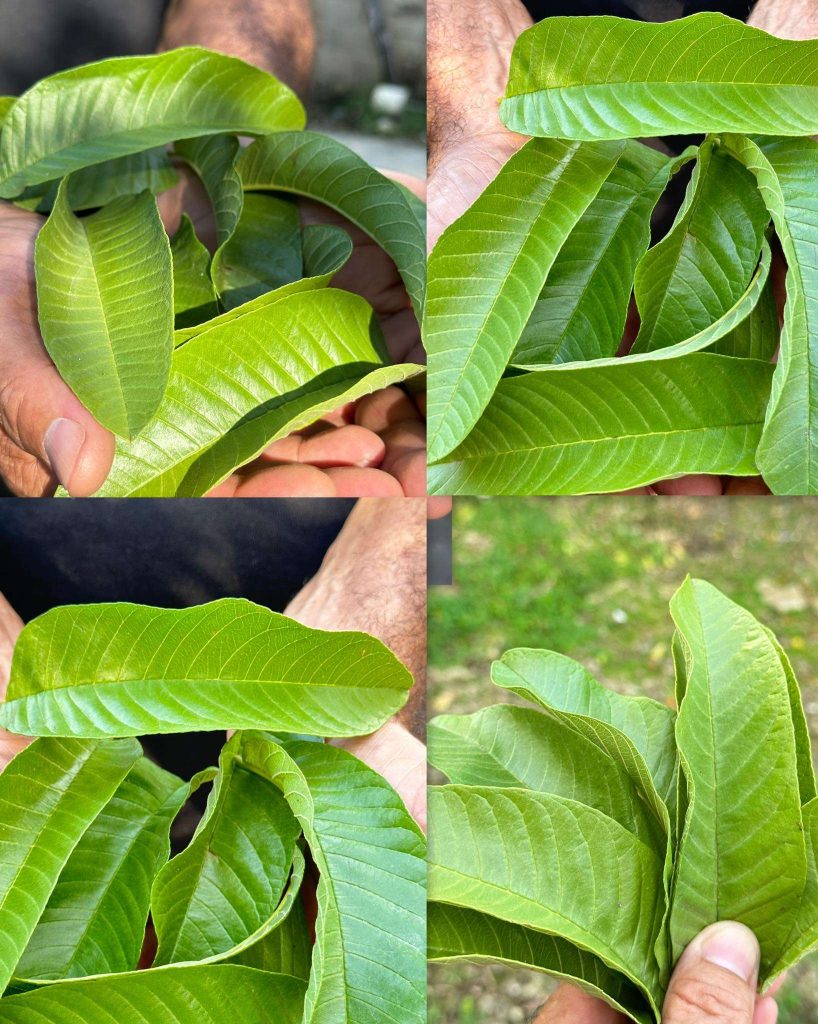
Guava leaves are far more than just a byproduct of the fruit. For centuries, traditional medicine systems across Asia, Africa, and Latin America have harnessed their potent properties to treat a wide range of ailments. From digestive health to skin care, these humble leaves pack a surprising punch of antioxidants, anti-inflammatory compounds, and antimicrobial agents. In this article, we will explore the science-backed benefits of guava leaves, offering practical tips on how to incorporate them into your daily wellness routine. Whether you are looking to improve digestion, boost immunity, or enhance your skin's glow, guava leaves might be the natural remedy you have been missing. 🌿
Espanol
🌱 Nutritional Profile and Active Compounds
Guava leaves are rich in vitamin C, flavonoids, tannins, and essential oils such as eugenol and quercetin. These compounds give the leaves their remarkable antioxidant capacity, which helps neutralize free radicals in the body. The leaves also contain carotenoids and polyphenols, which contribute to their anti-inflammatory and anti-cancer properties. A single cup of guava leaf tea can provide a significant dose of these protective nutrients, making it an excellent addition to a balanced diet. Understanding what makes guava leaves so powerful is the first step to unlocking their full potential. 🔬
🩺 Supports Digestive Health
One of the most well-known uses of guava leaves is for treating digestive issues. The leaves contain natural compounds that can reduce diarrhea, soothe stomach cramps, and alleviate bloating. A study published in the Journal of Ethnopharmacology found that guava leaf extract effectively inhibited the growth of bacteria like Staphylococcus aureus and Escherichia coli, which are common culprits of food poisoning and gastrointestinal infections. To use guava leaves for digestion, simply boil a handful of fresh or dried leaves in water for 10 minutes, strain, and drink the tea up to twice a day. Remember to start with small amounts to see how your body reacts. 🍵
🩸 Helps Regulate Blood Sugar Levels
For individuals managing diabetes or prediabetes, guava leaves can be a valuable natural aid. Research indicates that guava leaf extract can lower blood glucose levels by inhibiting the absorption of sugar in the intestines and improving insulin sensitivity. A 2010 study on diabetic rats showed that guava leaf tea reduced blood sugar spikes after meals. While human studies are still limited, the existing evidence is promising. If you are considering using guava leaves for blood sugar control, consult your healthcare provider first, especially if you are on medication. Drinking one cup of unsweetened guava leaf tea after meals may help stabilize your levels. 🩺
🦷 Promotes Oral Health
Chewing guava leaves or using a mouthwash made from them can significantly improve oral hygiene. The leaves possess antimicrobial and anti-inflammatory properties that help fight plaque, gingivitis, and bad breath. A clinical trial found that a guava leaf-based mouthwash was as effective as a commercial chlorhexidine mouthwash in reducing plaque and gum inflammation, but with fewer side effects. To make your own mouthwash, steep guava leaves in boiling water, let it cool, and use it to rinse your mouth twice daily. This natural alternative can save you money and reduce your exposure to harsh chemicals. 😁
🧴 Enhances Skin Health and Wound Healing
Applying guava leaf extract topically can accelerate wound healing and improve skin conditions like acne, eczema, and psoriasis. The leaves' antibacterial and astringent properties help clean wounds, reduce inflammation, and tighten skin pores. For acne, crush fresh guava leaves into a paste and apply it to affected areas for 10–15 minutes before rinsing. For minor cuts or insect bites, you can dab a cotton ball soaked in cooled guava leaf tea directly on the wound. Always perform a patch test first to ensure you do not have an allergic reaction. 🌿
❤️ Supports Heart Health
Guava leaves may contribute to cardiovascular wellness by lowering bad cholesterol (LDL) and triglycerides while raising good cholesterol (HDL). The high levels of antioxidants, especially vitamin C and lycopene, help prevent oxidative damage to blood vessels, reducing the risk of atherosclerosis. A study on rats with high cholesterol showed that guava leaf extract significantly improved lipid profiles after eight weeks. Although more human studies are needed, incorporating guava leaf tea into a heart-healthy diet rich in fiber and healthy fats can be a smart preventive measure. ❤️
💪 Boosts Immunity and Fights Infections
Thanks to its rich content of vitamin C and antimicrobial compounds, guava leaves can strengthen your immune system and help your body fight off common infections. Drinking guava leaf tea regularly may reduce the severity and duration of colds, flu, and respiratory infections. The leaves also exhibit antiviral activity against certain viruses, including the dengue virus (according to some laboratory studies). While not a replacement for medical treatment, guava leaves can be a supportive remedy during illness. Pair them with plenty of rest and hydration for best results. 🛡️
🧘 May Aid Weight Management
Guava leaves can be a helpful tool for those trying to lose or maintain weight. The tea acts as a natural appetite suppressant and prevents the conversion of complex carbohydrates into simple sugars, thereby reducing fat accumulation. Additionally, the leaves have a mild diuretic effect, which helps reduce water retention. Drinking a cup of guava leaf tea 30 minutes before meals can help you feel fuller and consume fewer calories. Combine this with a balanced diet and regular exercise for sustainable weight management. ⚖️
🕰️ How to Prepare and Use Guava Leaves
There are several easy ways to incorporate guava leaves into your routine:
- Guava Leaf Tea: Boil 5–10 fresh or dried guava leaves in 1 liter of water for 10 minutes. Strain and drink warm. You can add a slice of lemon or a drop of honey for flavor.
- Guava Leaf Paste: Grind fresh leaves with a little water to form a paste. Apply to skin, scalp, or wounds as needed.
- Guava Leaf Mouthwash: Steep leaves in boiling water, cool, and use as a daily rinse.
- Guava Leaf Powder: Dry leaves in the shade, then grind into a fine powder. Store in an airtight container and add to smoothies, soups, or capsules.
Always use organic leaves when possible to avoid pesticides. Start with small amounts to see how your body responds, and discontinue use if you experience any adverse reactions. 🧪
⚠️ Precautions and Side Effects
While guava leaves are generally safe for most people, there are a few considerations. Pregnant and breastfeeding women should consult a doctor before using guava leaf preparations, as safety data is limited. People with low blood pressure should be cautious because guava leaves may further lower it. The leaves can also interact with medications for diabetes, hypertension, and blood thinners. Always inform your healthcare provider about any herbal supplements you are taking. Overconsumption of guava leaf tea may cause constipation or stomach upset in some individuals. Moderation is key. ⚠️
🌟 Conclusion
Guava leaves are a versatile and powerful natural remedy that can support your health in multiple ways — from improving digestion and oral hygiene to regulating blood sugar and boosting immunity. Their rich antioxidant profile makes them a valuable addition to any wellness routine. While scientific research continues to uncover their full potential, traditional wisdom has already proven their effectiveness over centuries. By incorporating guava leaf tea, paste, or powder into your daily life, you can tap into these benefits naturally and affordably. Remember to use them responsibly, consult with a healthcare professional when needed, and enjoy the journey toward better health, one leaf at a time. 🌿✨
Deja una respuesta