BENEFITS OF GUAVA LEAVES
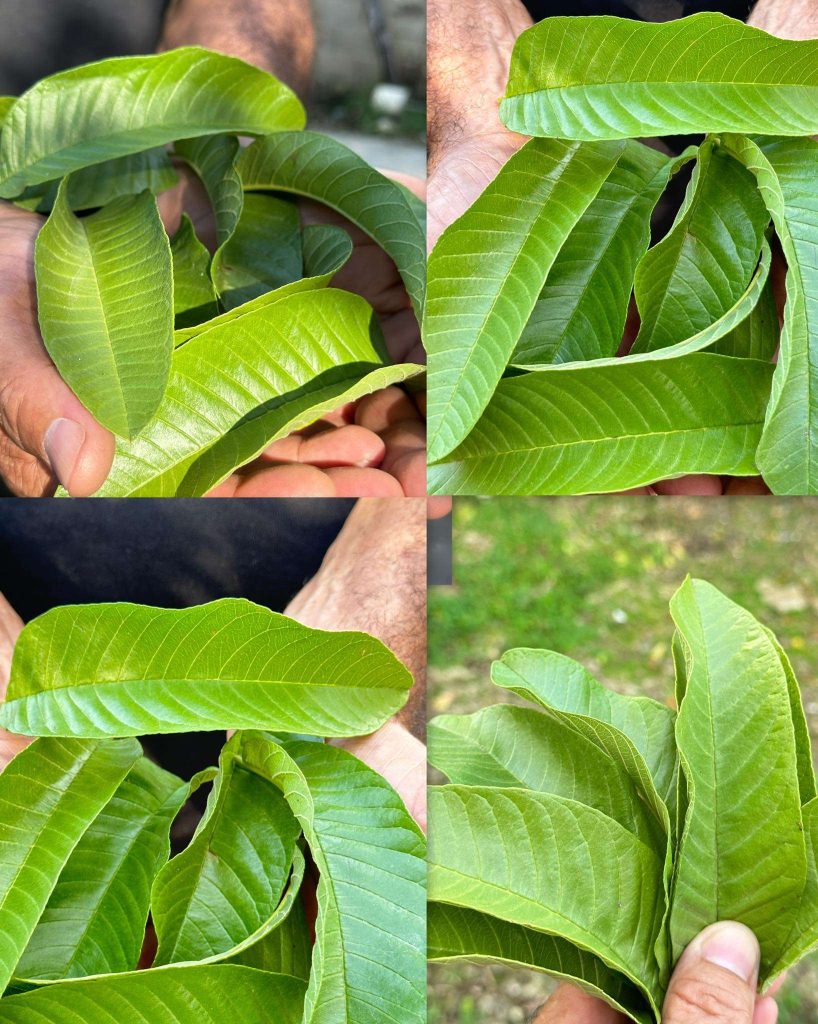
 Espanol
🌿 Introduction: Why Guava Leaves Deserve a Place in Your Wellness Routine
Espanol
When most people think of guava, they imagine the sweet, tropical fruit enjoyed in juices, jams, or fresh slices. However, the leaves of the guava tree (Psidium guajava) are a hidden powerhouse of natural health benefits that have been used for centuries in traditional medicine across Asia, Africa, and Latin America. Packed with antioxidants, anti‑inflammatory compounds, and antimicrobial agents, guava leaves offer a wide range of practical advantages—from digestive support to skin care. In this article, we will explore the science‑backed benefits of guava leaves, how to use them safely, and why adding them to your daily routine can be a simple yet powerful step toward better health. Whether you are a wellness enthusiast or just curious about natural remedies, this guide will give you actionable insights you can trust. 🌱
🍃 The Nutritional Profile of Guava Leaves
Before diving into the specific benefits, it’s important to understand what makes guava leaves so effective. These leaves are rich in flavonoids like quercetin, tannins, vitamin C, and essential oils with strong antibacterial properties. They also contain carotenoids and polyphenols, which act as powerful antioxidants that help neutralize free radicals in the body. This unique combination of compounds is responsible for the leaves’ ability to support multiple systems—digestive, immune, cardiovascular, and even oral health. 🧪
🩺 Digestive Health: A Natural Remedy for Stomach Issues
One of the most well‑known uses of guava leaves is for treating digestive problems. Guava leaf tea has been traditionally used to relieve diarrhea, stomach cramps, and bloating. Research shows that the tannins in the leaves have an astringent effect that helps reduce inflammation in the gut lining and slow down bacterial growth, making it effective against both infectious and non‑infectious diarrhea. A study published in the Journal of Ethnopharmacology found that guava leaf extract significantly reduced the duration and severity of diarrhea in children. 🌿
Additionally, the leaves can help improve overall digestion by stimulating the production of digestive enzymes. If you suffer from occasional indigestion or irritable bowel syndrome (IBS), a cup of guava leaf tea after meals may provide relief. Pro tip: Steep 5–6 fresh or dried leaves in hot water for 10 minutes, strain, and drink up to two cups per day. Do not exceed this amount, as excessive intake may cause constipation due to the high tannin content.
🛡️ Immune System Booster: Fight Infections Naturally
Guava leaves are a natural immune booster thanks to their high concentration of vitamin C and antimicrobial compounds. Vitamin C is essential for white blood cell production and overall immune defense. The leaves also contain quercetin, a flavonoid with antiviral and anti‑inflammatory properties. Some studies suggest that guava leaf extract can inhibit the replication of certain viruses, including the influenza virus. 🦠
Moreover, the leaves have been used as a traditional remedy for coughs and colds. You can prepare a warm infusion and add a little honey to soothe a sore throat. The antibacterial action also helps reduce the risk of secondary infections. For a stronger effect, some people chew the leaves directly (though the taste is quite bitter) or use a concentrated extract. Remember: always consult a healthcare provider before using guava leaves as a treatment for an active infection, especially if you are on medication.
💊 Blood Sugar Control: A Promising Aid for Diabetes Management
One of the most exciting areas of research on guava leaves is their potential to help manage blood sugar levels. Compounds in the leaves, particularly psidiolic acid and avicularin, have been shown to inhibit the absorption of sugar in the intestines and improve insulin sensitivity. A 2019 clinical trial found that participants with type 2 diabetes who consumed guava leaf tea daily for 12 weeks experienced a significant reduction in fasting blood glucose and post‑meal sugar spikes. 📉
While guava leaves are not a substitute for prescribed diabetes medication, they can be a helpful complementary strategy when used under medical supervision. Important: If you are on insulin or oral hypoglycemic drugs, monitor your blood sugar closely when adding guava leaf tea, as it may lower glucose levels too much. Start with one small cup per day and gradually increase if tolerated.
🦷 Oral Hygiene: Natural Protection for Teeth and Gums
Another traditional use of guava leaves is for maintaining oral health. The leaves have strong antibacterial activity against Streptococcus mutans, the primary bacteria responsible for tooth decay and plaque formation. Chewing fresh guava leaves or using a mouthwash made from the leaf infusion can help reduce gum inflammation, prevent bad breath, and even relieve toothaches. 🌿
To make a simple mouthwash: boil a handful of guava leaves in water for 10 minutes, let it cool, and strain. Use it to rinse your mouth twice daily. The astringent tannins also help tighten loose gums. However, do not swallow the mouthwash as it contains concentrated tannins that may upset your stomach. For best results, combine this practice with regular brushing and flossing.
🧴 Skin Care: Heal Wounds and Reduce Acne
Guava leaves are a fantastic natural remedy for skin issues. Their antimicrobial and anti‑inflammatory properties make them effective for treating acne, minor cuts, and insect bites. You can crush a few fresh leaves to release the juice and apply the paste directly to pimples or irritated skin. The leaves also promote wound healing by stimulating collagen production and reducing oxidative stress. 🩹
A 2018 study demonstrated that a gel containing guava leaf extract significantly accelerated the healing of surgical wounds in rats, with less scarring compared to a control group. For human use, you can also use guava leaf tea as a facial toner (once cooled) to reduce redness and control excess oil. Always do a patch test first on a small area of skin to ensure you don’t have an allergic reaction.
🫀 Cardiovascular Support: Lower Cholesterol and Blood Pressure
Heart health is another area where guava leaves show promise. Animal studies have indicated that guava leaf extract can help lower total cholesterol and LDL (bad) cholesterol while increasing HDL (good) cholesterol. The antioxidant properties also help reduce oxidative damage to blood vessels, which is a key factor in preventing atherosclerosis. 💚
Furthermore, the leaves contain compounds that act as natural ACE inhibitors, similar to some blood pressure medications. A small human study found that participants who drank guava leaf tea for 8 weeks experienced a mild but significant reduction in systolic blood pressure. While these results are encouraging, more research is needed to confirm the long‑term effects. If you have hypertension or are on heart medication, talk to your doctor before using guava leaf products regularly.
🌙 How to Incorporate Guava Leaves into Your Daily Life
Now that you know the benefits, here are practical ways to use guava leaves:
- Tea: Steep 3–5 fresh or dried leaves in boiling water for 5–10 minutes. Strain and drink warm. You can add honey or lemon for taste. (Safe up to 2 cups per day.)
- Mouthwash: Prepare a stronger infusion and use as a rinse. Do not swallow.
- Topical paste: Crush fresh leaves into a paste and apply to acne, wounds, or insect bites.
- Powder: Dry the leaves and grind them into a powder. Mix with water or yogurt for a face mask.
- Supplements: Guava leaf extract capsules are available, but choose a reputable brand and follow dosage instructions.
Safety note: Guava leaves are generally safe for most people when used in moderate amounts. However, pregnant or breastfeeding women should avoid large doses, and people with liver or kidney conditions should consult a doctor. Always start with a low dose to see how your body reacts.
🧪 What the Research Says: A Quick Summary
Let’s look at the scientific evidence in a nutshell:
- ✅ Diarrhea: Multiple clinical studies support guava leaf tea as an effective remedy for acute diarrhea, especially in children.
- ✅ Blood sugar: Human trials show significant reductions in fasting glucose and HbA1c with regular consumption.
- ✅ Antimicrobial: Lab studies confirm activity against a wide range of bacteria, fungi, and viruses.
- ✅ Anti‑inflammatory: The flavonoids reduce inflammation in the gut, skin, and joints.
- ✅ Antioxidant: High ORAC value helps combat oxidative stress and aging.
- ❌ Cancer: Preliminary lab studies suggest anti‑cancer properties, but human studies are lacking.
While more research is needed in some areas, the existing evidence strongly supports the traditional uses of guava leaves. 🌟
💡 Conclusion: A Simple Leaf with Remarkable Potential
Guava leaves are much more than a byproduct of the fruit—they are a versatile, accessible, and scientifically backed natural remedy that can support your digestive health, immune system, blood sugar balance, oral hygiene, skin care, and cardiovascular wellness. By incorporating them into your daily routine—whether as a warm tea, a topical paste, or a mouth rinse—you can tap into centuries of traditional wisdom reinforced by modern research. 🌿
Final advice: Start with one small cup of guava leaf tea per day and observe how your body responds. Combine it with a balanced diet, regular exercise, and adequate sleep for the best results. Remember, natural remedies are powerful, but they work best when used as part of a holistic approach to health. If you have any underlying medical conditions or are taking medications, always seek professional guidance before making significant changes. Enjoy the journey to better wellness—one guava leaf at a time! 🍃💚
This article is for informational purposes only and does not constitute medical advice. Always consult a qualified healthcare professional before starting any new supplement or treatment.
Deja una respuesta