BENEFITS OF GUAVA LEAVES
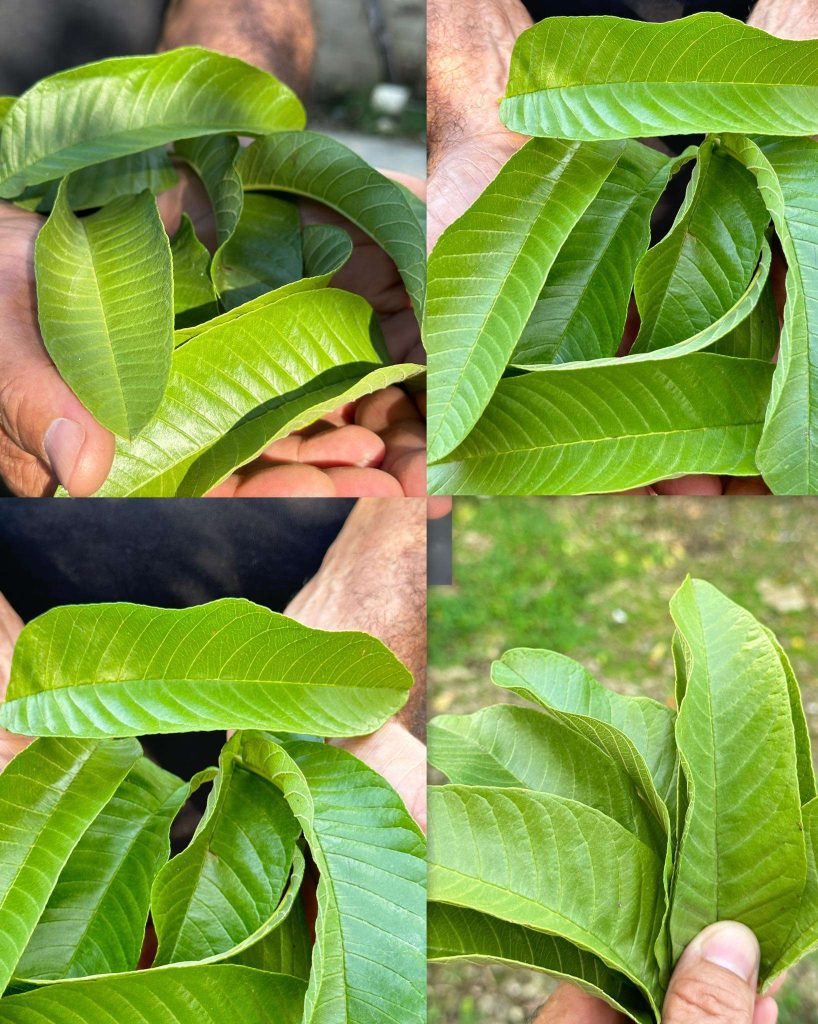
Benefits of Guava Leaves
 Espanol
When you think of guava, your mind likely jumps to the sweet, tropical fruit. But did you know that the leaves of the guava tree (Psidium guajava) are a powerhouse of health benefits? 🌿 For centuries, traditional medicine systems across Asia, Africa, and Latin America have used guava leaves to treat everything from digestive issues to skin infections. Modern research is now catching up, revealing a wealth of scientific evidence behind these age-old remedies. In this article, we will explore the most compelling benefits of guava leaves, provide practical tips on how to use them, and help you decide if adding this natural resource to your wellness routine is right for you.
Espanol
🍃 Nutritional Profile of Guava Leaves
Guava leaves are packed with bioactive compounds that contribute to their therapeutic properties. They are rich in antioxidants such as vitamin C, flavonoids (like quercetin), tannins, and essential oils. These compounds work synergistically to combat oxidative stress, reduce inflammation, and support overall health. Unlike the fruit, the leaves contain higher concentrations of certain polyphenols, making them a potent natural remedy. For instance, guava leaf extract has been shown to have a higher antioxidant capacity than many commercial green teas. This dense nutritional profile is the foundation for the diverse benefits we will discuss.
💪 Digestive Health: A Natural Soother
One of the most well-known uses of guava leaves is for digestive support. If you suffer from diarrhea, stomach aches, or indigestion, a simple guava leaf tea may offer relief. The tannins in the leaves have astringent properties that can help bind loose stools and reduce intestinal inflammation. Studies have demonstrated that guava leaf extract can inhibit the growth of bacteria like E. coli and Staphylococcus aureus, which are common causes of foodborne illnesses. 🛡️ Practical tip: To prepare a digestive tea, steep 5–7 fresh or dried guava leaves in a cup of boiling water for 10 minutes. Drink it warm, but not more than two cups per day, as excessive intake may cause constipation.
🩺 Blood Sugar Regulation: A Helpful Ally for Diabetes
For individuals managing type 2 diabetes or prediabetes, guava leaves can be a valuable complementary tool. Research indicates that compounds in guava leaves can inhibit alpha-glucosidase, an enzyme that breaks down carbohydrates into glucose. By slowing this process, guava leaves help prevent sharp spikes in blood sugar after meals. Additionally, the leaves may improve insulin sensitivity. A 2013 study published in Nutrition and Metabolism found that participants who consumed guava leaf tea experienced significantly lower post-meal blood glucose levels compared to a control group. ⚕️ Caution: Always consult your healthcare provider before using guava leaves alongside diabetes medications, as they may enhance the effects and lead to hypoglycemia.
⚖️ Weight Management Support
Guava leaves can also assist in weight loss efforts. The leaves contain compounds that prevent the conversion of complex carbohydrates into simple sugars, which reduces calorie absorption. Moreover, the diuretic properties of guava leaf tea help eliminate excess water weight and reduce bloating. While not a miracle solution, incorporating guava leaf tea into a balanced diet and exercise routine can provide an extra boost. 🌱 How to use: Replace sugary beverages with unsweetened guava leaf tea. Drink one cup in the morning and one in the afternoon to support metabolism and curb cravings.
✨ Skin and Hair Care: Topical Applications
Guava leaves are a fantastic natural ingredient for your skincare and haircare routines. Their antibacterial and anti-inflammatory properties make them effective against acne, eczema, and minor wounds. You can create a simple face wash by boiling a handful of leaves, letting the water cool, and applying it with a cotton pad. This helps reduce redness and prevent breakouts. For hair, guava leaf tea can be used as a final rinse after shampooing to strengthen hair follicles, reduce dandruff, and promote shine. 🧴 Pro tip: For a more concentrated treatment, crush fresh guava leaves into a paste and apply it directly to pimples or insect bites. Leave it on for 15 minutes before rinsing.
🦠 Anti-inflammatory and Antimicrobial Properties
Beyond digestion and skin, guava leaves possess broad-spectrum antimicrobial activity. They have been shown to fight oral pathogens that cause cavities, gum disease, and bad breath. Chewing on a fresh guava leaf or using a mouthwash made from the leaves can improve oral hygiene. Furthermore, the leaves exhibit anti-inflammatory effects that may help with conditions like arthritis and joint pain. A poultice made from crushed guava leaves can be applied to sore muscles or swollen joints for natural pain relief. 🔬 Scientific backing: A 2020 review in Journal of Ethnopharmacology confirmed that guava leaf extracts are effective against a wide range of bacteria, fungi, and viruses.
☕ How to Use Guava Leaves: Practical Methods
There are several ways to incorporate guava leaves into your daily life. Here are the most common and effective methods:
- Guava Leaf Tea: The easiest method. Use 5–10 fresh or dried leaves per cup of hot water. Steep for 5–10 minutes, strain, and enjoy. You can add a slice of lemon or a pinch of cinnamon for flavor.
- Guava Leaf Extract/Tincture: Available in health stores or online. Follow the dosage instructions on the bottle. Typically, 1–2 ml diluted in water, taken 2–3 times daily.
- Topical Paste: Grind fresh leaves into a smooth paste using a mortar and pestle. Apply to skin issues like acne, wounds, or rashes. Leave for 15–20 minutes, then rinse.
- Guava Leaf Mouthwash: Boil a handful of leaves in 2 cups of water for 15 minutes. Let cool, strain, and use as a mouth rinse. Do not swallow.
- Capsules/Supplements: For those who dislike the taste, guava leaf capsules are a convenient option. Typical dose is 500–1000 mg per day. Always choose a reputable brand.
Important safety note: Pregnant or breastfeeding women should avoid using guava leaf supplements without medical advice. Always start with a small amount to test for allergic reactions.
🔍 Conclusion: A Leaf Worth Your Attention
Guava leaves are far more than a byproduct of a delicious fruit. From soothing digestive troubles and regulating blood sugar to enhancing skin health and fighting infections, the benefits of guava leaves are supported by both tradition and science. By incorporating this natural remedy into your wellness routine—whether as a tea, topical treatment, or supplement—you can tap into a wealth of health-promoting compounds. Remember that consistency and moderation are key. While guava leaves are generally safe, they are not a substitute for professional medical treatment. Use them as a complementary approach to a healthy lifestyle. 🌟 Start small, listen to your body, and enjoy the natural power of guava leaves.
If you found this information valuable, consider sharing it with friends and family who might benefit. Have you tried guava leaves before? Share your experience in the comments below!
Deja una respuesta