Benefits of Guava Leaves
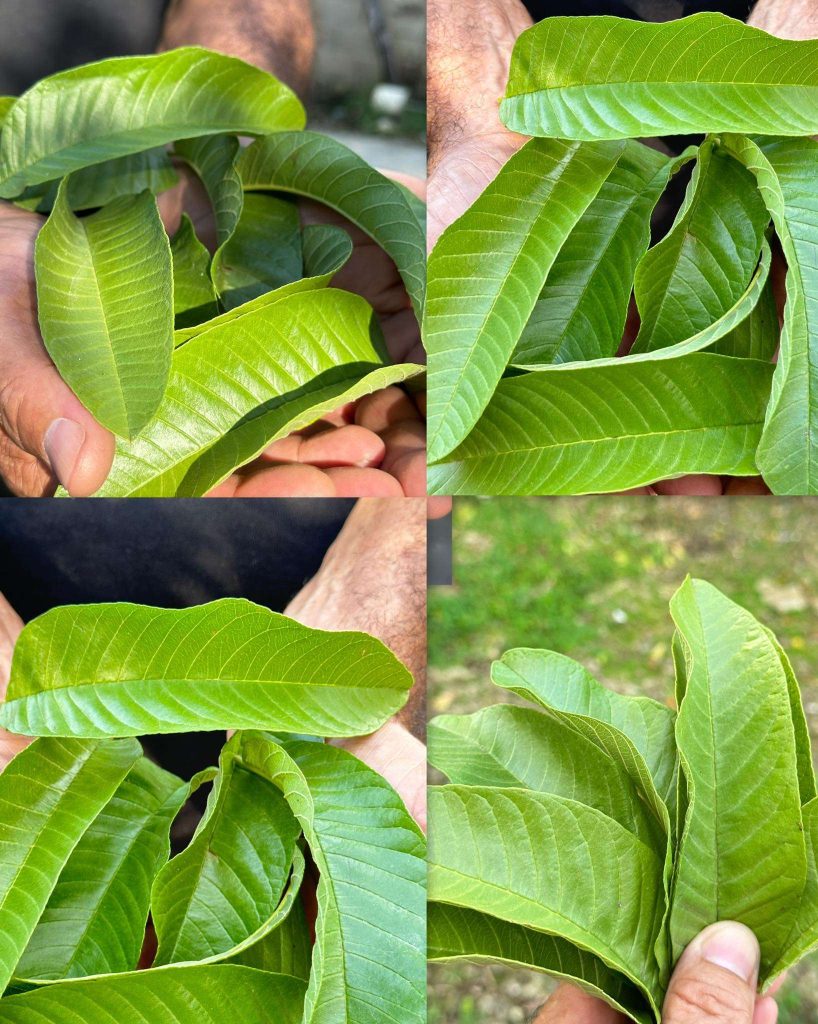
Unlocking Nature's Pharmacy: The Remarkable Benefits of Guava Leaves 🍃
 Espanol
Often overshadowed by its sweet, pink-fleshed fruit, the humble guava tree (Psidium guajava) holds a secret in its vibrant green foliage. For centuries, traditional medicine systems across the tropics have revered guava leaves as a powerful herbal remedy. Today, modern science is beginning to validate what ancient healers knew: these leaves are a treasure trove of bioactive compounds. This article delves into the impressive, research-backed health benefits of guava leaves, offering you practical ways to harness their potential for enhanced well-being. Let's explore this natural powerhouse together! 🌿
Espanol
A Powerhouse of Nutrients and Antioxidants
Guava leaves are rich in vital antioxidants like vitamin C, flavonoids (such as quercetin), and polyphenols. These compounds act as your body's defense team, neutralizing harmful free radicals that cause oxidative stress—a key player in aging and chronic diseases like cancer and heart conditions. Regular consumption of guava leaf tea or extract can significantly boost your antioxidant defense system. Furthermore, the leaves possess potent anti-inflammatory properties, helping to soothe internal and external inflammation, which is the root of many health issues. 🛡️💊
Promoting Digestive Health and Fighting Discomfort
If you struggle with digestive woes, guava leaves might be your natural answer. They have strong antimicrobial and anti-spasmodic effects that can combat harmful gut bacteria like Staphylococcus aureus and E. coli, often responsible for food poisoning and diarrhea. More than just fighting infection, the leaves can help reduce the intensity and duration of abdominal cramps and discomfort. For a simple remedy, drinking a warm cup of guava leaf tea can soothe an upset stomach and promote healthier digestion. 🫖✨
A Natural Ally in Blood Sugar Management
This is one of the most celebrated benefits. Studies indicate that guava leaf extract can help improve insulin resistance and lower blood sugar levels. The compounds in the leaves inhibit certain enzymes that convert carbohydrates into glucose in the bloodstream, leading to a more gradual sugar absorption. For individuals with prediabetes or type 2 diabetes, incorporating guava leaf tea (without sugar) can be a valuable complementary strategy. It's crucial, however, to consult with a healthcare provider to monitor its interaction with diabetes medications. 📉🩸
Supporting Heart Health and Cholesterol Levels
Your cardiovascular system can also benefit from guava leaves. The soluble fiber and antioxidants help reduce "bad" LDL cholesterol and triglycerides while potentially increasing "good" HDL cholesterol. By improving lipid profiles and lowering blood pressure—thanks to their potassium content and vasodilating effects—guava leaves contribute to a healthier heart. Making guava leaf tea a part of a heart-healthy lifestyle could be a simple, proactive step. ❤️🫀
Enhancing Skin, Hair, and Oral Health
The benefits extend beyond internal health. Applied topically, guava leaf paste or rinse can work wonders. Its antimicrobial and anti-inflammatory properties make it excellent for treating acne, speeding up wound healing, and reducing skin irritation. For hair, it may combat hair loss and dandruff by strengthening follicles. Don't forget your smile! Chewing on tender leaves or using a leaf decoction as a mouthwash can relieve toothache, gum inflammation, and oral ulcers due to its analgesic and antibacterial qualities. 🌺😁
How to Incorporate Guava Leaves into Your Routine
Harnessing these benefits is straightforward. The most common method is preparing a herbal tea:
- Wash 5-10 fresh, organic guava leaves (or use 1 tablespoon of dried leaves).
- Boil them in about one liter of water for 10-15 minutes.
- Strain the liquid and enjoy it warm or cold. You can add a dash of honey or lemon for flavor, but avoid sugar to maximize benefits.
You can also find standardized extracts in supplement form, but always choose reputable brands and follow recommended dosages. For topical use, crush fresh leaves into a paste with a little water and apply to the affected area. 🍵👩🔬
Important Precautions and Final Thoughts
While generally safe for most people, guava leaves may cause mild side effects like nausea in some. Pregnant or breastfeeding women, individuals on diabetes or blood-thinning medications should consult a doctor before use. Natural does not automatically mean risk-free for everyone; professional medical advice is key.
In conclusion, the guava tree offers us far more than just its delicious fruit. Its leaves are a versatile, natural remedy with a spectrum of proven benefits, from managing blood sugar and aiding digestion to promoting radiant skin and a healthier heart. By integrating guava leaf tea into your wellness routine, you're tapping into an ancient, science-supported tradition of natural healing. Why not brew a cup today and experience the gentle, nurturing power of nature's own pharmacy? 🌳💚
Deja una respuesta