Benefits of Guava Leaves
 Espanol
Espanol
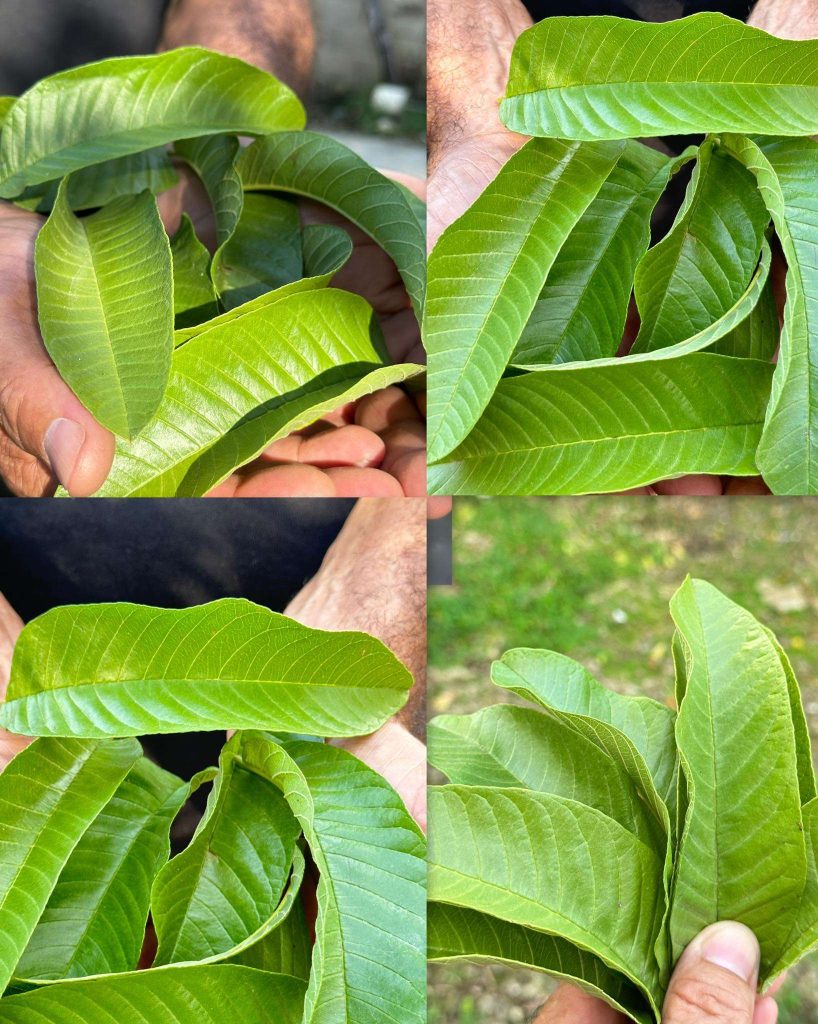
Unlocking Nature's Pharmacy: The Remarkable Benefits of Guava Leaves 🌿
Often overshadowed by its sweet, tangy fruit, the humble guava tree (Psidium guajava) holds a secret in its verdant foliage. While many enjoy the fruit for its taste and vitamin C content, the leaves have been a cornerstone of traditional medicine across various cultures for centuries. 🍃 This article delves deep into the science-backed and traditionally cherished benefits of guava leaves, moving beyond superficial claims to provide you with a comprehensive guide on how this natural remedy can support your health and wellness journey. We will explore their potent nutritional profile, practical applications, and how you can easily incorporate them into your daily routine.
A Powerhouse of Bioactive Compounds 🔬
Guava leaves are not just simple leaves; they are a dense repository of beneficial phytochemicals. They are rich in powerful antioxidants like quercetin and flavonoids, which combat oxidative stress and inflammation in the body. Furthermore, they contain significant amounts of vitamin C, potassium, and fiber. Most notably, they possess compounds with strong anti-bacterial, anti-inflammatory, and anti-diarrheal properties. This unique combination is what grants guava leaves their wide range of therapeutic applications, making them a true multi-purpose natural aid.
Digestive Health and Stomach Soother 🤒
One of the most celebrated uses of guava leaves is for promoting digestive health. Their anti-bacterial components can help combat harmful gut bacteria like Salmonella and E. coli, while their anti-inflammatory properties soothe the intestinal lining.
Key Tip: For acute diarrhea or stomach upset, drinking a warm cup of guava leaf tea can provide rapid relief by reducing the frequency of stools and abdominal cramps. The leaves' astringent qualities also help tighten and tone loose bowels.
Blood Sugar Regulation and Diabetes Support 🩺
Emerging research is particularly promising regarding guava leaves and blood sugar management. Compounds in the leaves appear to inhibit the absorption of certain types of sugars in the blood, such as maltose and sucrose. Several studies suggest that drinking guava leaf tea can lead to a significant reduction in post-meal blood sugar spikes. While not a replacement for prescribed medication, it can be a valuable complementary strategy. Always consult with your healthcare provider before using it for this purpose, especially if you are on hypoglycemic drugs.
Heart Health and Cholesterol Management ❤️
Supporting your cardiovascular system is another potential benefit. The leaves may help improve heart health in two primary ways: by helping to lower "bad" LDL cholesterol and triglycerides, and by contributing to lowering blood pressure. The high potassium content acts as a vasodilator, relaxing blood vessels and improving circulation. The antioxidant load also protects the heart from oxidative damage, offering a holistic approach to cardiovascular maintenance.
Skin, Hair, and Anti-Aging Benefits ✨
The benefits of guava leaves extend to external beauty and skin health. Their antimicrobial and anti-inflammatory traits make them excellent for treating acne, blackheads, and skin allergies. A simple face wash or toner made from cooled guava leaf tea can cleanse pores and reduce redness.
Practical Advice: For a quick skin treatment, crush fresh leaves into a paste and apply it to affected areas. Rinse after 10-15 minutes. For hair, a rinse made from guava leaf decoction is believed to strengthen hair follicles, combat dandruff, and prevent hair loss, thanks to its nutrient and antioxidant content.
Immunity Boost and Anti-Cancer Potential 🛡️
The high concentration of vitamin C and antioxidants provides a substantial boost to the immune system, helping your body fend off common infections like colds and flu. More profoundly, the potent antioxidants, particularly lycopene and quercetin, are being studied for their role in neutralizing free radicals, which can cause cellular damage and lead to chronic diseases, including certain cancers. While more research is needed, incorporating antioxidant-rich foods and supplements like guava leaf tea is a proactive step for long-term health defense.
How to Use Guava Leaves: Practical Methods 🍵
Integrating guava leaves into your life is simple and cost-effective. The most common method is preparing a tea.
To make guava leaf tea: Rinse 5-10 fresh, organic leaves (or use 1 tablespoon of dried leaves). Boil them in 1-2 cups of water for about 10 minutes. Strain, allow it to cool slightly, and enjoy. You can add honey or lemon for taste. For topical use, you can use this cooled tea as a facial toner, hair rinse, or apply the paste directly to wounds or irritated skin for its healing effects.
Important Precautions and Considerations ⚠️
While generally safe for most people, it's crucial to exercise caution. Pregnant and breastfeeding women should avoid therapeutic doses due to a lack of sufficient safety data. As mentioned, those with diabetes or on blood-thinning medication must consult a doctor due to potential interactions. Start with small amounts to see how your body reacts. Always source leaves from trees not treated with pesticides, or purchase organic, food-grade dried leaves from reputable suppliers.
Conclusion: Embracing a Leaf of Wellness 🌟
From aiding digestion and regulating blood sugar to enhancing skin radiance and supporting heart health, guava leaves are a testament to the profound healing power found in nature. They offer a versatile, accessible, and natural complement to a balanced lifestyle. By understanding their properties and learning simple preparation methods like brewing a cup of tea, you can unlock these benefits. We encourage you to explore this natural remedy with mindfulness and the advised precautions. Your journey to holistic wellness might just begin with a single leaf. Consider making guava leaf tea a part of your weekly routine and observe the positive changes it can bring to your overall well-being.
Deja una respuesta