Benefits of Guava Leaves
 Espanol
Espanol
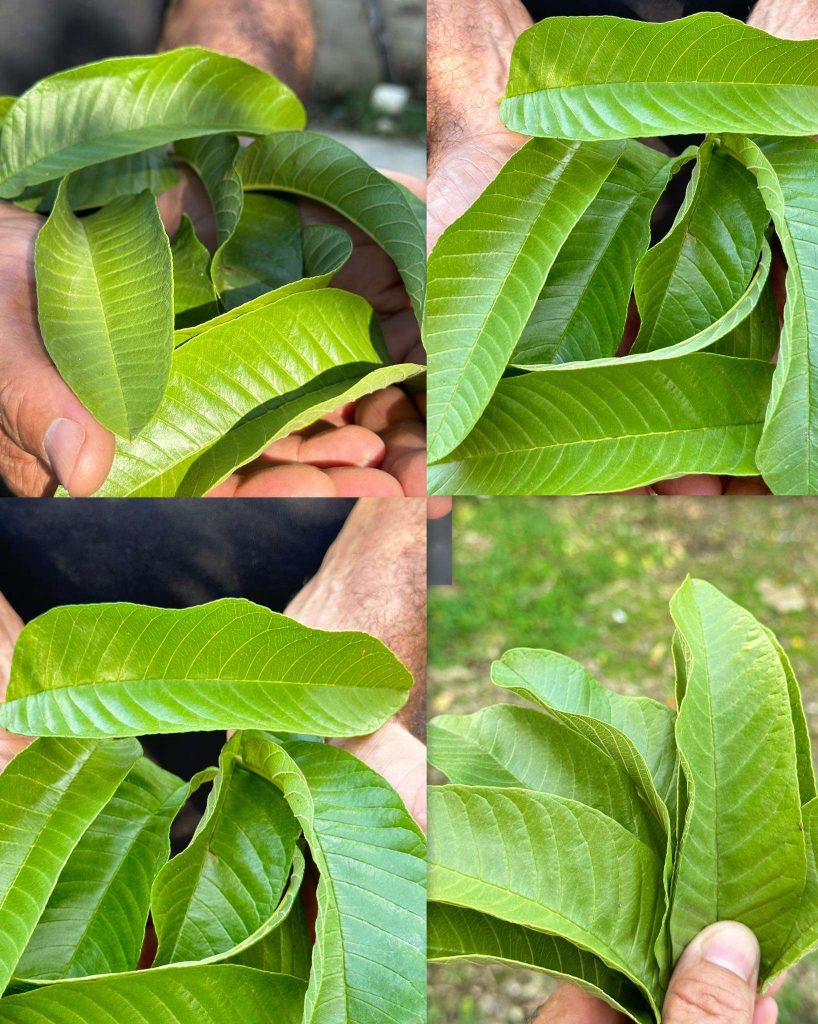
🌿 Beyond the Fruit: Unveiling the Remarkable Health Benefits of Guava Leaves
While the sweet, fragrant guava fruit rightfully enjoys its superfood status, a treasure trove of wellness lies hidden in its often-overlooked foliage. Guava leaves (Psidium guajava) have been a cornerstone of traditional medicine across various cultures for centuries, and modern science is now catching up, validating their impressive therapeutic properties. This article delves deep into the science-backed benefits of guava leaves, transforming them from simple garden waste into a powerful, accessible natural remedy for your health arsenal. We'll explore their potent compounds, practical applications, and how you can easily incorporate them into your daily routine for enhanced well-being.
💊 A Powerhouse of Bioactive Compounds
Guava leaves are not just green leaves; they are a dense pharmacy of phytochemicals. They are exceptionally rich in powerful antioxidants like quercetin, flavonoids, and carotenoids, which combat oxidative stress and cellular damage. Furthermore, they contain significant anti-inflammatory compounds, essential oils, and beneficial tannins. This unique blend is responsible for the wide spectrum of health benefits associated with the leaves, offering a natural, holistic approach to preventing and managing various health conditions.
🩺 Top Evidence-Based Health Benefits
Let's explore the specific, research-supported ways guava leaves can contribute to your health.
📉 Supports Healthy Blood Sugar Levels
One of the most celebrated benefits of guava leaf tea is its potential to help regulate blood glucose. Studies suggest that compounds in the leaves inhibit the absorption of certain types of sugars in the blood, such as maltose and sucrose. Drinking guava leaf tea after meals may help prevent blood sugar spikes, making it a valuable dietary adjunct for those managing their glycemic levels. Important: It should complement, not replace, any prescribed diabetes medication, and consultation with a healthcare provider is crucial.
❤️ Promotes Heart Health
Guava leaves contribute to cardiovascular wellness in multiple ways. The high potassium and soluble fiber content help regulate blood pressure and improve overall cholesterol profiles by lowering "bad" LDL cholesterol and triglycerides. The antioxidant activity also protects the heart from oxidative damage, supporting long-term heart function and reducing the risk of related diseases.
🤧 Enhances Digestive Wellness
Traditionally used to settle the stomach, guava leaves have potent antibacterial and anti-inflammatory properties that can soothe gastrointestinal issues. They are particularly effective against common culprits of food poisoning and traveler's diarrhea, such as Staphylococcus aureus and E. coli. A warm cup of guava leaf tea can relieve stomach cramps, reduce bloating, and aid in treating acute gastroenteritis.
🦷 Improves Oral Hygiene
Thanks to their strong anti-inflammatory and antimicrobial qualities, guava leaves are excellent for oral health. Chewing on clean, tender leaves or using a mouthwash made from leaf decoction can reduce plaque formation, fight gum inflammation (gingivitis), and freshen breath naturally. They act as a natural analgesic, even providing temporary relief from toothache pain.
🧠 Boosts Cognitive Function & Skin Health
The antioxidants in guava leaves, especially quercetin and vitamin C, protect brain cells from free radical damage, which is linked to neurodegenerative diseases. For your skin, applying a cooled guava leaf wash or paste can combat acne, reduce redness, and slow down signs of aging due to its astringent and anti-inflammatory effects. It helps tighten the skin and minimize the appearance of pores.
🍵 How to Use Guava Leaves: Practical Tips
Incorporating guava leaves into your life is simple and cost-effective. Here’s how:
The Classic Tea: This is the most popular method. Rinse 5-10 fresh, organic leaves (or use 1 tablespoon of dried leaves). Gently crush them to release the oils, then steep in a cup of hot water for 5-10 minutes. Strain and enjoy. You can add honey or lemon for taste. For optimal blood sugar benefits, consider drinking it after meals.
Topical Applications: For skin issues or minor wounds, boil a handful of leaves in water for 10-15 minutes. Let the decoction cool completely, then use it as a facial toner, a wash for affected skin, or a soothing compress for irritation.
Key Consideration: Always source leaves from trees not treated with pesticides. If using fresh, wash them thoroughly. Start with small amounts to ensure you don't have any adverse reactions.
🎯 Conclusion: A Leaf Worth Embracing
From supporting metabolic and heart health to enhancing digestion, oral care, and skin vitality, guava leaves prove that nature often hides its best remedies in plain sight. 🌿 Their broad-spectrum efficacy, backed by both tradition and emerging science, makes them a remarkable, natural addition to a proactive health regimen. While they are generally safe for most people, it's wise to consult with a healthcare professional before starting any new herbal remedy, especially if you are pregnant, nursing, or on medication. Why not harness this accessible, green powerhouse? Brew a cup of guava leaf tea today and take a simple, yet profound, step toward nurturing your body the natural way.
Deja una respuesta