Benefits of Guava Leaves
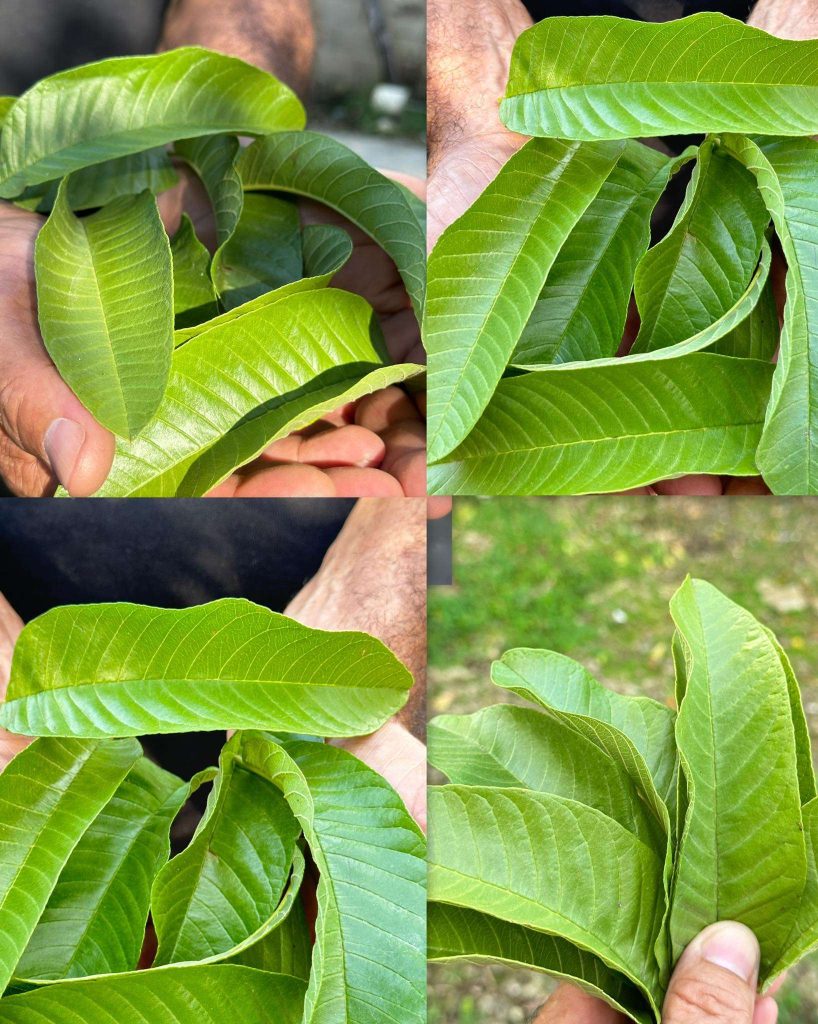
Beyond the Fruit: Unlocking the Remarkable Health Benefits of Guava Leaves 🍃
 Espanol
While the sweet, fragrant guava fruit rightfully enjoys its superfood status, a powerful health secret often lies discarded: its leaves. 🌿 For centuries, traditional medicine systems have harnessed the potent properties of the humble guava leaf, and modern science is now catching up, validating its impressive therapeutic potential. This article delves deep into the science-backed benefits of guava leaves, moving beyond superficial claims to provide you with a comprehensive, practical guide. We'll explore how this readily available natural resource can support everything from blood sugar control to radiant skin, offering you actionable ways to incorporate it into your wellness routine.
Espanol
A Powerhouse of Bioactive Compounds 💊
Guava leaves (Psidium guajava) are rich in powerful antioxidants like quercetin, flavonoids, and carotenoids, as well as anti-inflammatory and antimicrobial compounds such as tannins and essential oils. This unique phytochemical profile is responsible for their wide-ranging health effects. Unlike the fruit, the leaves are low in sugar and calories, making their benefits accessible without impacting dietary sugar intake. Their potency is best extracted through teas, infusions, or topical applications, which we will explore in detail.
Key Health Benefits and Practical Applications
1. Digestive Health and Relief from Discomfort 🤢
Guava leaf tea is a renowned remedy for various digestive issues. Its antimicrobial properties can help combat harmful bacteria like Staphylococcus aureus and E. coli in the gut, potentially reducing foodborne illness. More notably, its antispasmodic qualities can soothe stomach cramps and bloating. For acute diarrhea, a strong guava leaf tea can reduce frequency and discomfort due to its astringent tannins. For daily digestive support, a mild cup after meals may promote smoother digestion.
2. Blood Sugar Regulation and Metabolic Support 📉
This is one of the most promising and researched areas. Compounds in guava leaves inhibit certain enzymes (alpha-glucosidase) that convert carbohydrates into glucose in the gut, leading to a slower, more controlled release of sugar into the bloodstream. Several studies suggest that drinking guava leaf tea can lower blood sugar levels after meals and improve long-term markers like HbA1c. It is crucial to consult with a healthcare provider before using it alongside diabetes medication to avoid hypoglycemia. It's a supportive tool, not a replacement for prescribed treatment.
3. Heart Health and Cholesterol Management ❤️
The dual action on blood sugar and cholesterol makes guava leaves a friend to cardiovascular health. Research indicates that regular consumption of guava leaf extract can help lower "bad" LDL cholesterol and triglycerides while raising "good" HDL cholesterol. The high potassium content helps regulate blood pressure by counteracting sodium's effects and relaxing blood vessels. 🩺 Incorporating the tea as part of a heart-healthy lifestyle can provide compound benefits.
4. Skin and Hair Elixir for a Natural Glow ✨
Applied topically, guava leaf's anti-inflammatory and antimicrobial magic works wonders. A cooled tea or paste can be used as a facial toner to combat acne, reduce redness, and tighten pores. The antioxidants fight free radicals that cause premature aging. For hair, rinsing with guava leaf tea may strengthen roots, reduce hair fall, and combat dandruff. Always do a patch test first to ensure you don't have a sensitivity. For an easy skin treatment, simply steep a handful of leaves, let the water cool, and apply with a cotton pad.
5. Immune Boosting and Anti-Inflammatory Effects 🛡️
The high vitamin C content in the leaves, though less than in the fruit, coupled with flavonoids like quercetin, provides a solid immune system boost. Their anti-inflammatory action can help alleviate symptoms of allergies and arthritis. Drinking guava leaf tea during cold season can be a comforting and supportive practice. Its antimicrobial nature also makes a excellent, gentle mouthwash for gum health and fighting plaque bacteria, promoting oral hygiene. 😁
How to Use Guava Leaves: A Practical Guide
The simplest and most common method is to prepare a tea or infusion. Here’s how:
- For Fresh Leaves: Thoroughly wash 5-10 tender leaves. Gently crush them to release compounds and add to a cup of boiling water. Steep for 5-10 minutes, strain, and enjoy. You can add honey or lemon for taste.
- For Dried Leaves: Use 1-2 teaspoons per cup. Steep in hot water for a longer time, about 10-15 minutes, for maximum potency.
- Topical Use: Prepare a stronger decoction by simmering a large handful of leaves in 1 liter of water for 15-20 minutes. Let it cool completely before using it as a skin toner, hair rinse, or wound wash.
Start with one cup per day to assess tolerance. The leaves are generally safe, but pregnant or breastfeeding women and individuals on chronic medications should seek medical advice first.
Conclusion: A Leaf Worth Embracing
From supporting metabolic health to enhancing natural beauty, guava leaves offer a remarkable, evidence-based spectrum of benefits that extend far beyond the nutritional value of the fruit itself. 🍃 This accessible natural remedy embodies the principle that true wellness often comes from holistic, traditional wisdom supported by modern science. By integrating guava leaf tea into your routine, you're not just drinking a pleasant herbal beverage; you're tapping into a legacy of natural healing and taking a proactive step towards managing your health. We encourage you to explore its potential—start with a simple cup of tea and experience the multifaceted gifts of this often-overlooked part of the guava tree.
Deja una respuesta