BENEFITS OF GUAVA LEAVES
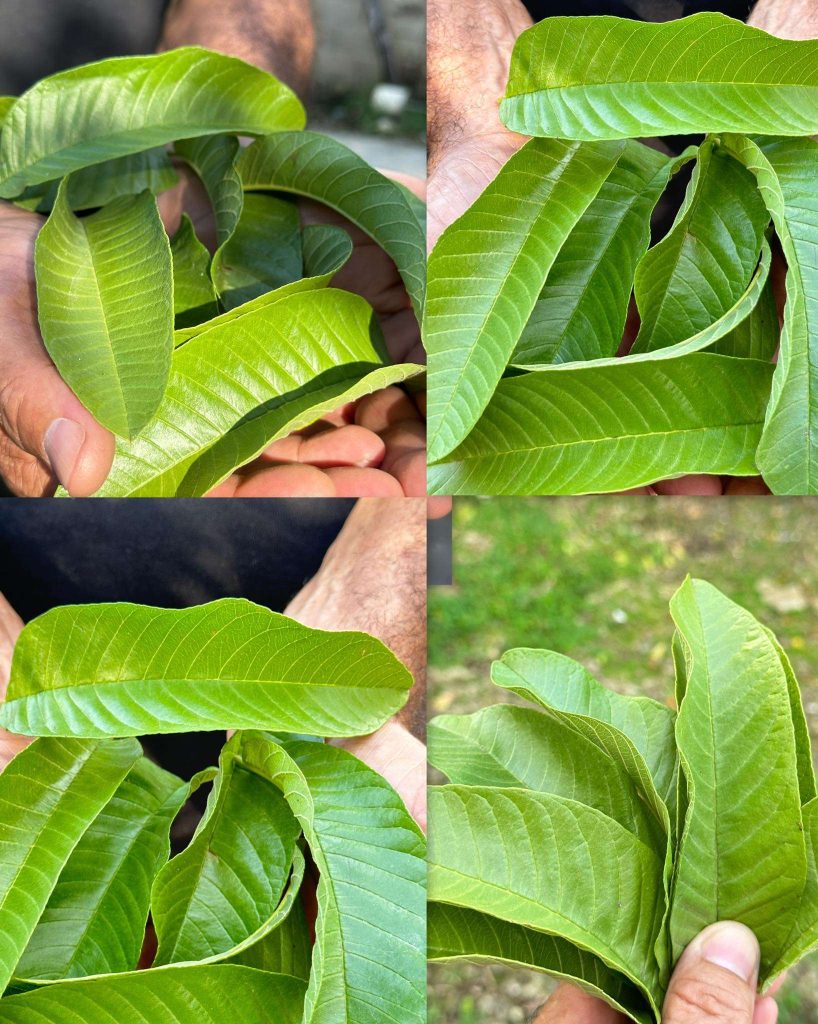
Benefits of Guava Leaves: A Natural Treasure for Your Health
 Espanol
Did you know that the humble guava tree offers more than just delicious fruit? 🌿 Its leaves are packed with powerful compounds that have been used in traditional medicine for centuries. In this article, we will explore the remarkable health benefits of guava leaves, from boosting your immune system to improving skin and hair. Whether you are a wellness enthusiast or simply curious about natural remedies, this information can help you incorporate guava leaves into your daily routine in practical, effective ways. Let's dive into the science and tradition behind this green gem.
Espanol
🌱 Nutritional Profile and Bioactive Compounds
Guava leaves are rich in antioxidants like vitamin C, flavonoids (such as quercetin), and tannins. They also contain essential oils with anti-inflammatory and antimicrobial properties. A single cup of guava leaf tea can provide a concentrated dose of these nutrients without the sugar found in the fruit. Studies show that the leaf extract may even have higher antioxidant activity than many commercial supplements. 💚 This makes it an excellent addition to a balanced diet, especially for those looking for natural ways to fight oxidative stress.
One of the key compounds is beta‑sitosterol, which helps lower cholesterol and supports heart health. Another is lycopene (though more abundant in the fruit, the leaves still contain trace amounts), which is linked to reduced cancer risk. By understanding what's inside these leaves, you can appreciate why they are more than just a by‑product of the guava plant.
🫖 How to Prepare Guava Leaves for Maximum Benefit
The most common way to consume guava leaves is through tea. Simply wash 5‑10 fresh leaves, crush them gently, and steep in hot water for 5‑10 minutes. You can also use dried leaves (about 1 tablespoon per cup). For a stronger effect, boil the leaves for 15 minutes, then strain. Never consume raw leaves in large amounts as they can be harsh on the stomach. A cup of guava leaf tea 1‑2 times per day is generally safe for most adults. ☕
If you prefer a topical application, you can create a paste by grinding fresh leaves with a little water. This paste works wonders for skin issues (see below). Alternatively, some people use guava leaf oil, but ensure it is food‑grade if you plan to ingest it. Remember: always consult a healthcare provider before starting any new herbal regimen, especially if you are pregnant, breastfeeding, or taking medication.
💪 Boosts Digestive Health and Relieves Diarrhea
One of the most well‑documented benefits of guava leaves is their ability to treat digestive disorders. The leaves contain antimicrobial compounds that fight harmful bacteria like Staphylococcus aureus and E. coli. A 2020 study found that guava leaf extract significantly reduced the duration and severity of diarrhea in children. 🦠 The tannins also help tighten and protect the intestinal lining, reducing excessive fluid loss. If you experience mild diarrhea, a cup of guava leaf tea can provide rapid relief.
For those with irritable bowel syndrome (IBS), the anti‑inflammatory properties may soothe cramps and bloating. However, use it sparingly – too much can cause constipation due to the high tannin content. As a general rule, limit consumption to two cups per day and observe how your body reacts.
🩸 Supports Blood Sugar Control in Diabetes
Guava leaves have been shown to lower blood glucose levels after meals. The leaves inhibit the activity of alpha‑glucosidase, an enzyme that breaks down carbohydrates into sugar. By slowing this process, the leaves help prevent spikes in blood sugar. A 2018 clinical trial involving adults with type 2 diabetes found that drinking guava leaf tea for 12 weeks reduced fasting blood sugar by an average of 20%. 📉 Additionally, the leaves improve insulin sensitivity and reduce insulin resistance.
For best results, drink one cup of unsweetened guava leaf tea 30 minutes before your main meal. Avoid adding honey or sugar as that would counteract the benefits. If you are on diabetes medication, monitor your blood sugar closely – the combination could lead to hypoglycemia. Always inform your doctor before incorporating herbal teas into your treatment plan.
❤️ Promotes Heart Health and Lowers Cholesterol
High cholesterol is a major risk factor for heart disease. Guava leaves can help reduce both total and LDL (“bad”) cholesterol while increasing HDL (“good”) cholesterol. The antioxidants in the leaves prevent oxidation of LDL particles, which is a key step in forming artery plaques. A study in rats showed that guava leaf extract reduced total cholesterol by 30% after 30 days. 🫀 While human studies are still limited, the evidence is promising.
To support your heart, combine guava leaf tea with a diet rich in fiber and healthy fats. Stay hydrated and avoid processed foods. The anti‑inflammatory effects of the leaves also benefit the cardiovascular system by reducing chronic inflammation, which is linked to hypertension and atherosclerosis.
🧖♀️ Enhances Skin Health and Fights Acne
Guava leaves are a natural remedy for acne and blemishes. Their antimicrobial properties target Propionibacterium acnes, the bacteria responsible for breakouts. The leaves also contain astringent tannins that tighten pores and reduce excess oil. For a DIY toner, boil a handful of leaves in water, cool, and apply with a cotton ball after cleansing. You can also crush a few leaves into a paste and apply directly to pimples for 10 minutes before rinsing. ✨
Besides acne, guava leaf extracts can speed up wound healing. They stimulate collagen production and reduce inflammation, making them useful for minor cuts, burns, or insect bites. Always do a patch test first, especially if you have sensitive skin. If you experience redness or irritation, discontinue use.
💇♀️ Strengthens Hair and Prevents Hair Loss
If you are dealing with hair thinning or dandruff, guava leaves might help. The leaves are rich in vitamin C and antioxidants that promote scalp health and improve blood circulation to hair follicles. Anecdotal evidence suggests that rinsing your hair with guava leaf tea after shampooing can strengthen strands and reduce breakage. 🧴
To prepare a hair rinse, boil 15‑20 leaves in 2 cups of water for 20 minutes, let it cool, strain, and use it as a final rinse. The antimicrobial properties also help combat dandruff‑causing fungi. For best results, use the rinse 2‑3 times per week. Combined with a balanced diet rich in protein and biotin, guava leaf treatments can support thicker, healthier hair.
🛡️ Boosts Immune System and Fights Infections
Thanks to its high vitamin C and quercetin content, guava leaf tea can strengthen your immune response. These compounds help white blood cells function better and reduce the duration of common colds. The leaves also exhibit antiviral activity – some studies have shown effectiveness against respiratory viruses like influenza. During flu season, a cup of guava leaf tea daily can be a simple preventive measure. 🦠
Additionally, the leaves have antiparasitic properties. In traditional medicine, they have been used to treat intestinal worms and amoebic infections. While not a substitute for medical treatment, they can complement conventional therapies. If you suspect an infection, always see a doctor first.
🧠 May Reduce Inflammation and Support Joint Health
Chronic inflammation is linked to arthritis, gout, and other joint disorders. Guava leaves contain anti‑inflammatory compounds such as flavonoids and saponins. Drinking the tea regularly may help soothe swollen joints and reduce pain. A 2017 study on rats with arthritis found that guava leaf extract decreased joint swelling and levels of inflammatory markers like TNF‑alpha. 🦴
For topical relief, you can make a compress by soaking a cloth in warm guava leaf tea and applying it to aching joints. Combine this with gentle exercise and a Mediterranean diet for optimal results. Always consult a rheumatologist for severe conditions.
⚠️ Precautions and Possible Side Effects
While guava leaves are generally safe, they are not without risks. Pregnant and breastfeeding women should avoid large amounts because the leaves can stimulate uterine contractions. People with high blood pressure should use caution if they are on beta‑blockers, as the leaves may lower blood pressure further. Excessive consumption can cause constipation due to high tannin levels. Drink plenty of water when taking guava leaf tea.
If you are scheduled for surgery, stop drinking guava leaf tea at least two weeks prior because it may affect blood sugar control and blood pressure. Store leaves in a cool, dry place and wash them thoroughly before use to remove pesticides. When in doubt, start with a small amount and see how your body responds.
🌟 Conclusion: A Simple Leaf with Remarkable Benefits
Guava leaves offer a wide array of health advantages – from digestive relief and blood sugar management to glowing skin and stronger hair. They are a perfect example of how nature provides powerful remedies in the most unassuming packages. 🌿 By incorporating guava leaf tea or topical preparations into your routine, you can tap into centuries of traditional wisdom supported by modern science. Remember to always use them responsibly and consult a professional when needed. Take a step toward natural wellness today – your body will thank you!
Deja una respuesta