BENEFITS OF GUAVA LEAVES
 Espanol
BENEFITS OF GUAVA LEAVES
Espanol
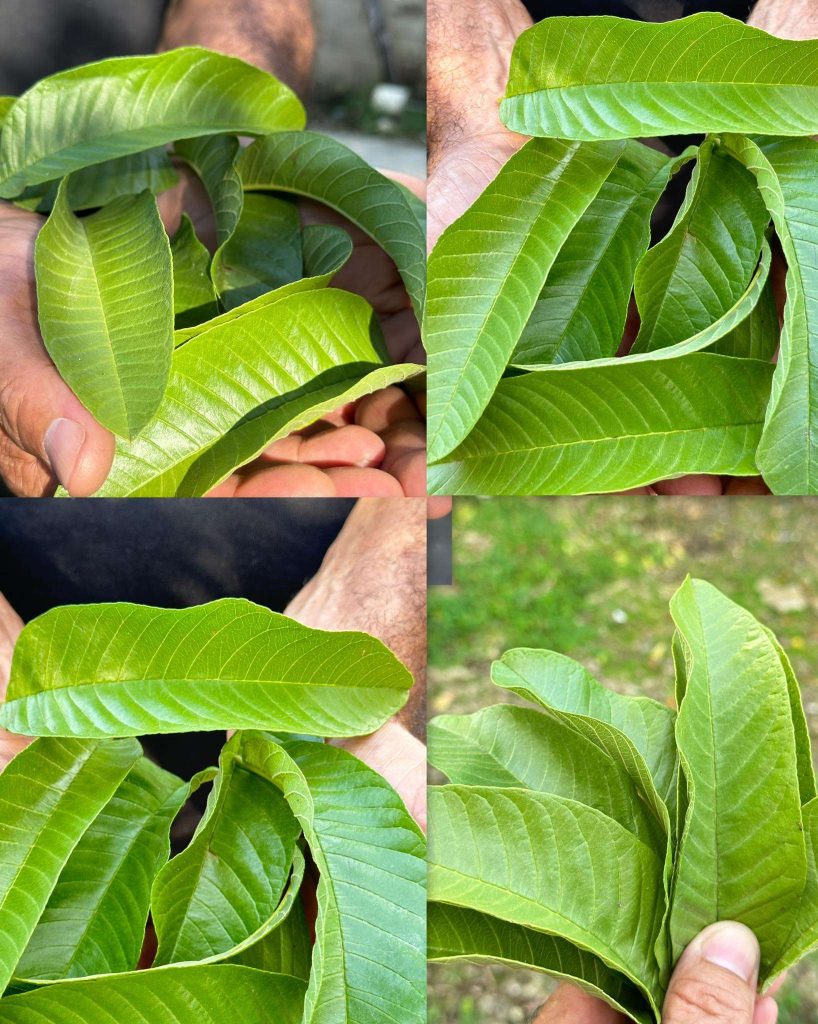
You may already enjoy the sweet, tropical flavor of guava fruit, but did you know that the leaves of this plant hold an impressive range of health benefits? 🌿 For centuries, guava leaves have been used in traditional medicine across Asia, Africa, and Latin America to treat digestive issues, reduce inflammation, and even support oral hygiene. Packed with antioxidants, vitamins, and anti-inflammatory compounds, these humble leaves are a powerhouse of natural wellness. In this article, we will explore the most compelling benefits of guava leaves, backed by both anecdotal evidence and modern research. Whether you are looking to improve your digestive health, strengthen your immune system, or simply adopt a more natural approach to daily care, guava leaves deserve a place in your routine. Let’s dive in!
What Makes Guava Leaves So Powerful? 🧪
Guava leaves are rich in bioactive compounds such as flavonoids, tannins, and saponins, which contribute to their antioxidant, antimicrobial, and anti-inflammatory properties. Key components like quercetin, lycopene, and vitamin C work together to protect cells from oxidative stress and support the body’s natural defenses. The leaves also contain essential oils like eugenol and caryophyllene, which offer antiseptic and pain-relieving effects. This unique combination makes guava leaves a versatile natural remedy for a wide range of conditions.
Unlike many synthetic medicines, guava leaves have a low risk of side effects when used appropriately. They can be consumed as a tea, applied topically as a paste, or even chewed raw (in small amounts). Understanding the science behind these leaves helps you use them more effectively and safely.
Top Health Benefits of Guava Leaves 🍃
1. Digestive Health Support 🩺
One of the most well-known uses of guava leaves is their ability to soothe the digestive system. The leaves contain astringent compounds called tannins, which can help reduce diarrhea and stomach discomfort. A simple guava leaf tea can calm an upset stomach by inhibiting the activity of harmful bacteria while promoting the growth of beneficial gut flora. Studies have shown that extracts from guava leaves can reduce the severity and duration of infectious diarrhea, making them a natural first aid option for travelers or people with sensitive stomachs.
If you suffer from indigestion or bloating, try drinking one cup of guava leaf tea after meals. The anti-inflammatory properties also help reduce swelling in the intestinal lining, which may alleviate symptoms of irritable bowel syndrome (IBS). 🔥
2. Blood Sugar Management 🌐
For individuals concerned with blood sugar levels, guava leaves offer promising benefits. Research indicates that compounds in guava leaves can inhibit the absorption of sucrose and maltose, thereby reducing post-meal blood sugar spikes. This effect is particularly useful for people with type 2 diabetes or prediabetes. A regular intake of guava leaf tea has been linked to lower fasting blood glucose and improved insulin sensitivity over time.
It is important to note that guava leaves should complement, not replace, medical treatment. Always consult your healthcare provider before adding any herbal remedy to your diabetes management plan. However, incorporating guava leaf tea into a balanced diet can be a safe, natural way to support metabolic health. 💚
3. Immune System Boost 🛡️
Thanks to their high vitamin C content and antioxidant capacity, guava leaves can give your immune system a solid lift. Vitamin C is essential for the production of white blood cells, which fight off infections. The leaves also contain antimicrobial agents that can help combat common pathogens like Staphylococcus aureus and Escherichia coli. Drinking guava leaf tea regularly during flu season may reduce your chances of catching a cold or speed up recovery.
Additionally, the leaves’ anti-inflammatory action can help calm respiratory inflammation, making them useful for people with asthma or allergies. A warm cup of guava leaf tea with a squeeze of lemon and a dash of honey is a delicious, immune‑supporting ritual. 🍵
4. Oral Health and Gum Care 🦷
Guava leaves are a natural ally for your mouth. Their antibacterial and anti‑plaque properties help reduce oral bacteria that cause cavities, gum disease, and bad breath. Chewing tender guava leaves or using a homemade mouthwash from boiled leaves can strengthen gums and reduce bleeding. In traditional cultures, guava leaves are even used as a natural toothpowder.
To make a simple mouthwash: boil 5–6 fresh guava leaves in a cup of water for 10 minutes, let it cool, and use it to rinse your mouth after brushing. This can help prevent gingivitis and promote overall oral hygiene without the harsh chemicals found in commercial mouthwashes. 😁
5. Skin Health and Wound Healing 🩹
Applied topically, guava leaves can accelerate the healing of cuts, scrapes, and even acne. The astringent nature of the leaves helps tighten the skin and reduce oiliness, while the antimicrobial properties prevent infection. A paste made from crushed guava leaves can be applied directly to pimples or wounds to reduce inflammation and support tissue repair.
For a soothing face mask, grind fresh guava leaves with a little water and mix with a teaspoon of honey. Apply to the face, leave for 10–15 minutes, and rinse with warm water. This natural treatment can help control acne breakouts and give your skin a healthy glow. 🌟
6. Heart Health and Cholesterol Control ❤️
Guava leaves may also contribute to cardiovascular wellness. Studies suggest that extracts from guava leaves can help lower LDL ("bad") cholesterol and triglycerides while increasing HDL ("good") cholesterol. Additionally, the leaves are rich in potassium, which helps regulate blood pressure. By improving the lipid profile and reducing oxidative stress, guava leaves support a healthier heart and reduce the risk of atherosclerosis.
While these findings are encouraging, it is essential to maintain a heart‑healthy lifestyle that includes a balanced diet, regular exercise, and stress management. Guava leaf tea can be an excellent addition to this regimen, but it is not a substitute for medical care. 📉
How to Use Guava Leaves Safely ⚠️
- Tea: Steep 3–5 fresh or dried guava leaves in a cup of boiling water for 5–7 minutes. Strain and drink up to 2 cups per day. You can add honey or lemon for flavor.
- Topical paste: Crush fresh leaves with a little water to form a paste. Apply to skin irritations, wounds, or acne for 10–15 minutes, then rinse.
- Mouthwash: Boil 5 leaves in water, cool, and use as a rinse after brushing. Do not swallow.
- Chewing: Chew 1–2 tender young leaves for oral health, then spit out the pulp. This is a traditional method in many cultures.
Important precautions: Guava leaves are generally safe for most people when used in moderation. However, pregnant and breastfeeding women should consult a doctor before consuming herbal teas. People with low blood pressure or those taking medications for diabetes or hypertension should also seek professional advice, as guava leaves may potentiate these effects. Always start with small amounts to test your tolerance.
Potential Side Effects and Interactions 🤔
While rare, some individuals may experience mild side effects such as stomach upset or allergic reactions (itching, rash) when using guava leaves. Over‑consumption of the tea (more than 3 cups daily) may lead to constipation due to the astringent tannins. Additionally, because guava leaves can lower blood sugar and blood pressure, combining them with prescription drugs may cause levels to drop too low. Always inform your healthcare provider about any herbal supplements you are taking.
Conclusion: Embrace the Power of Guava Leaves 🌱
Guava leaves are a remarkable natural resource that offers a wide array of health benefits, from digestive support and blood sugar control to immune boosting and skin care. Their antioxidant, antimicrobial, and anti‑inflammatory properties make them a valuable addition to any holistic health routine. By incorporating guava leaf tea, topical applications, or even chewing the leaves, you can tap into centuries of traditional wisdom backed by modern science.
We encourage you to try guava leaves in a way that suits your lifestyle—whether that is a calming evening tea, a refreshing mouthwash, or a soothing face mask. Remember that consistency and moderation are key. As with any natural remedy, it works best when paired with a healthy diet, regular exercise, and routine medical check‑ups. So next time you see a guava tree, don’t just reach for the fruit—take a leaf (or a few) and unlock nature’s pharmacy. 💚✨
Disclaimer: This article is for informational purposes only and does not substitute professional medical advice. Always consult a qualified healthcare practitioner before starting any new herbal treatment.
Deja una respuesta