BENEFITS OF GUAVA LEAVES
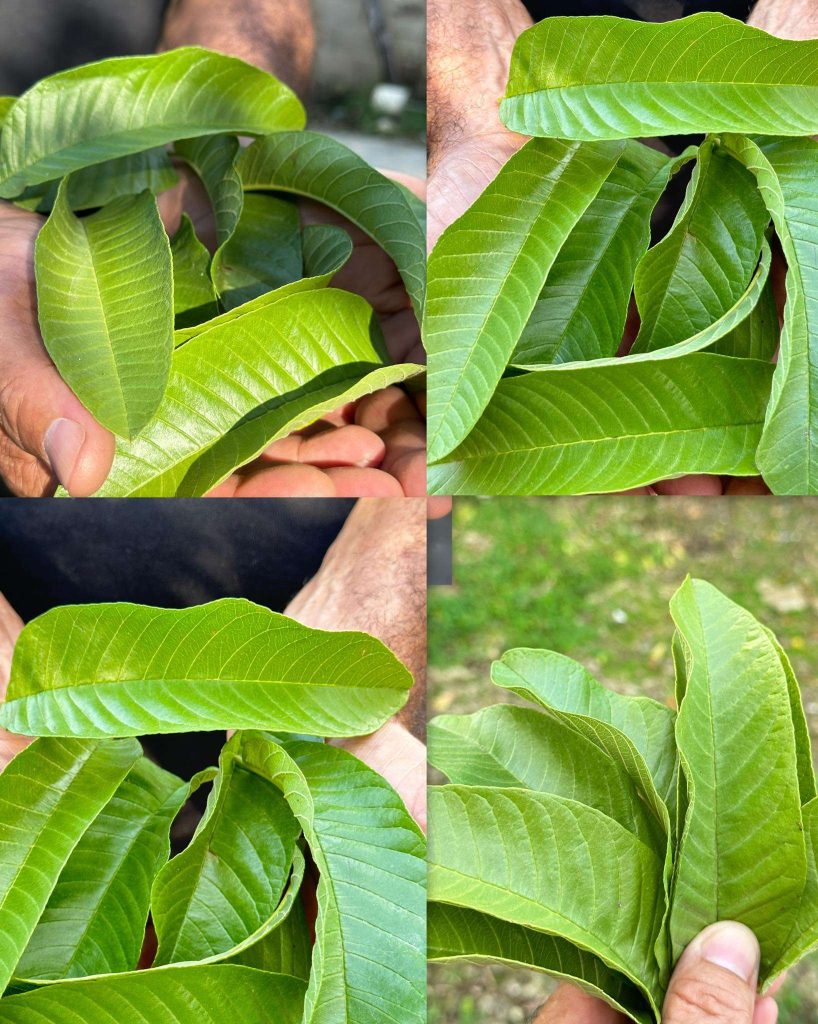
 Espanol
🍃 Unlock the Power of Nature: The Remarkable Benefits of Guava Leaves
Espanol
When we think of guava, our minds often jump to the sweet, fragrant fruit. But did you know that the humble leaves of the guava tree (Psidium guajava) hold a treasure trove of health and wellness benefits? 💡 For centuries, traditional medicine systems across Asia and Latin America have used guava leaves to treat everything from digestive troubles to skin infections. Modern science is now catching up, validating these ancient uses with compelling research. In this article, we’ll explore the science-backed benefits of guava leaves, how to use them safely, and why you should consider adding this natural powerhouse to your daily routine. Let’s dive in! 🌿
🍀 A Nutritional and Phytochemical Powerhouse
Before examining specific benefits, it’s important to understand what makes guava leaves so special. They are rich in antioxidants like vitamin C, flavonoids (quercetin, kaempferol), and tannins. These compounds help neutralize free radicals, reduce oxidative stress, and support overall cellular health. 🛡️ Additionally, guava leaves contain essential oils with antimicrobial and anti-inflammatory properties. A single cup of guava leaf tea can provide a gentle yet effective dose of these bioactive compounds. Key takeaway: The combination of polyphenols and vitamins makes guava leaves a versatile natural remedy with minimal side effects when used appropriately.
🩺 Supports Digestive Health and Relieves Diarrhea
One of the most well‑documented benefits of guava leaves is their ability to soothe the digestive system. Research shows that an extract from guava leaves can inhibit the growth of bacteria that cause diarrhea, such as Escherichia coli and Salmonella. 🌿 A study published in the Journal of Ethnopharmacology found that guava leaf extract reduced intestinal spasms and fluid secretion, effectively stopping diarrhea. For mild cases, sipping a cup of guava leaf tea two to three times daily can help firm up stools and relieve stomach cramps. Practical tip: Boil a handful of washed fresh or dried guava leaves in 2 cups of water for 10 minutes, strain, and drink warm. Avoid adding sugar, as it can worsen diarrhea.
🦷 Promotes Oral Health and Fights Gum Disease
Your mouth is a gateway to your overall health, and guava leaves can be a natural ally in keeping it clean. Chewing on a few tender guava leaves or using a mouthwash made from the leaves can help reduce plaque buildup and fight gingivitis. 📝 A clinical trial in the Journal of Clinical and Diagnostic Research showed that a guava leaf mouthwash was as effective as a commercial chlorhexidine mouthwash in reducing plaque and gum inflammation. The antimicrobial action of the tannins and flavonoids targets harmful bacteria like Streptococcus mutans. DIY mouthwash: Crush a handful of fresh leaves, steep in boiling water for 15 minutes, cool, strain, and swish for 30 seconds after brushing. Use daily for healthier gums and fresher breath! 😁
💪 Boosts Immune Function and Reduces Inflammation
Thanks to its high vitamin C content and unique polyphenols, guava leaf tea can give your immune system a gentle boost. Vitamin C is essential for white blood cell production, while the anti‑inflammatory compounds help to reduce chronic low‑grade inflammation – a key factor in many modern diseases. 🌟 In one animal study, guava leaf extract reduced markers of inflammation in rats with arthritis. While more human studies are needed, incorporating guava leaf tea into your diet during cold and flu season may help you recover faster. Pro tip: Combine guava leaf tea with a teaspoon of raw honey and a slice of lemon for an immune‑supporting elixir. 🍯🍋
🧴 Enhances Skin Health and Fights Acne
Acne is often caused by bacterial overgrowth and inflammation, both of which guava leaf compounds can target. Applying a topical wash or paste made from crushed guava leaves may help reduce acne breakouts and soothe redness. The astringent properties of tannins help tighten pores and remove excess oil, while the antimicrobial action fights Propionibacterium acnes. 🌸 For a simple face mask: grind a handful of fresh guava leaves with a little water to form a paste, apply to clean skin, leave on for 15 minutes, then rinse with lukewarm water. Use twice a week for clearer skin. Caution: Always do a patch test first, as natural remedies can still cause irritation in sensitive individuals.
🌱 Encourages Healthy Hair Growth and Reduces Dandruff
Your scalp benefits from the same antimicrobial and anti‑inflammatory properties. Guava leaf tea can be used as a final rinse after shampooing to reduce dandruff and soothe an itchy scalp. The antioxidants may also strengthen hair follicles and stimulate circulation, potentially promoting hair growth. 💆♀️ Anecdotal evidence suggests that regular use of guava leaf infusion can add shine and reduce hair fall. How to use: Brew a strong tea with a cup of fresh leaves, let it cool completely, and pour it over your hair after washing. Massage gently, leave for 5 minutes, then rinse with plain water. Use once a week for best results.
🩸 Helps Regulate Blood Sugar Levels
For those managing diabetes or prediabetes, guava leaves offer a promising natural support. Several studies indicate that compounds in the leaves can inhibit the absorption of sugar and improve insulin sensitivity. 📊 A study in the Journal of Diabetes & Metabolic Disorders found that drinking guava leaf tea for four weeks significantly lowered post‑meal blood glucose levels in participants with type 2 diabetes. The mechanism may involve blocking the enzymes that break down carbohydrates. Important: Do not replace prescribed medication; consult your doctor before making dietary changes. A cup of unsweetened guava leaf tea after meals can be a supportive addition.
🦠 Antimicrobial and Antiviral Properties
Beyond oral health and acne, guava leaf extracts have demonstrated broad‑spectrum antimicrobial activity. They can inhibit the growth of harmful bacteria, fungi, and even some viruses. 🌿 For example, research has shown effectiveness against Staphylococcus aureus (responsible for skin infections) and Candida albicans (a common yeast). While not a substitute for medical treatment, a guava leaf infusion can be used as a mild antiseptic wash for minor cuts and scrapes. Safety note: For external use only on intact skin; if you have a deep wound or infection, seek professional medical care.
⚠️ Potential Side Effects and Precautions
Guava leaves are generally safe for most people when used in moderate amounts as tea or topically. However, some individuals may experience allergic reactions or stomach upset. Pregnant and breastfeeding women should consult a healthcare provider before using guava leaf products extensively. Also, because of the potential blood‑sugar‑lowering effect, people taking diabetic medication should monitor their levels closely. Moderation is key: Stick to 1–2 cups of tea per day and avoid consuming large quantities of concentrated extracts without professional guidance.
🧪 How to Choose and Prepare Guava Leaves
For the best results, use fresh, organic guava leaves if possible. If you have a guava tree at home, simply wash the leaves thoroughly to remove any dust or pesticides. Dried leaves are also widely available in health food stores and online. Storage tip: Dried leaves can be kept in an airtight container in a cool, dark place for up to six months. To make tea: boil 2–3 fresh or dried leaves in 1½ cups of water for 10–15 minutes, strain, and enjoy. You can also find guava leaf extracts in capsule or tincture form – follow the manufacturer’s dosage instructions.
🌟 Conclusion: Embrace the Green Gold of Guava
From ancient folk remedies to modern clinical studies, guava leaves have proven themselves to be far more than just the tree’s “throwaway” part. 🌿 They offer digestive support, immune enhancement, oral care, skin and hair benefits, blood sugar regulation, and antimicrobial protection – all from a single, affordable natural resource. Incorporating guava leaf tea into your daily routine is a simple, low‑risk way to tap into nature’s pharmacy. Whether you sip it for relaxation or apply it topically for a clearer complexion, the leaves are a testament to the wisdom of traditional herbal medicine. Your next step: Pick up a handful of fresh guava leaves from your garden or a trusted supplier, and start exploring the incredible benefits firsthand. Cheers to your health! 🚀🍃
Deja una respuesta