BENEFITS OF GUAVA LEAVES
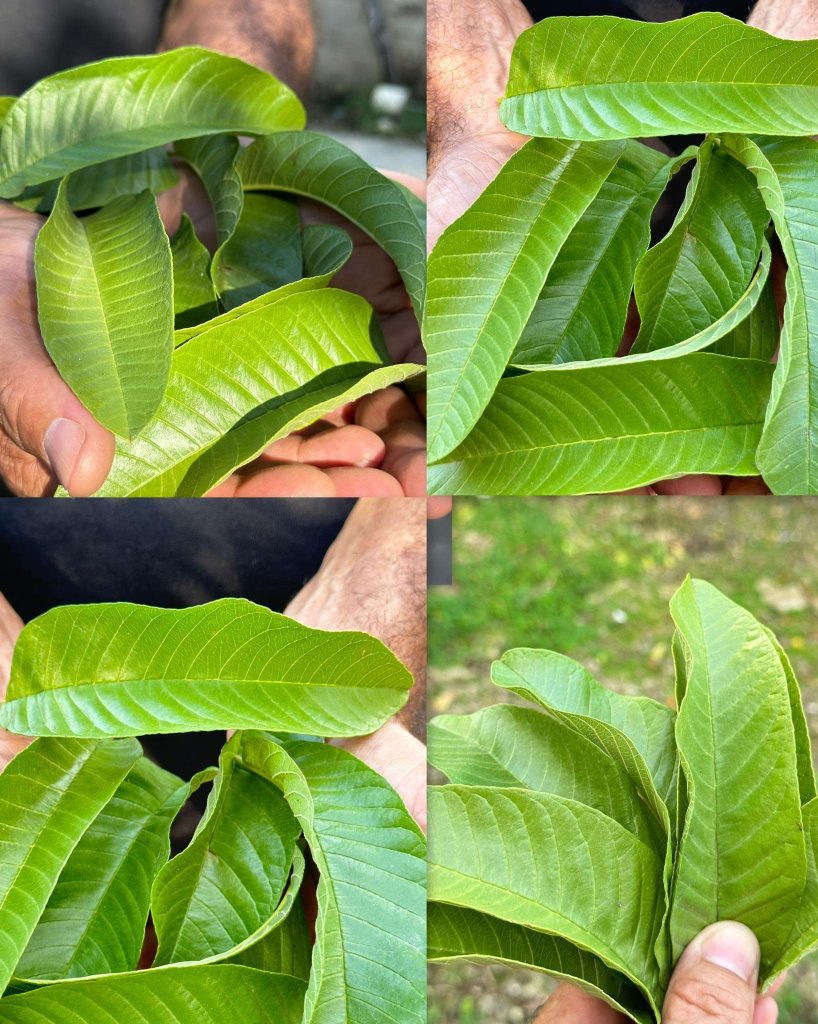
 Espanol
BENEFITS OF GUAVA LEAVES
Espanol
🌿 Guava leaves have been used for centuries in traditional medicine across Asia, Africa, and Latin America. While the fruit is celebrated for its sweet, tropical flavor, the leaves hold a potent concentration of bioactive compounds that support overall wellness. In this article, we explore the science-backed benefits of guava leaves, offering practical advice on how to incorporate them into your daily routine. Whether you are looking to improve digestion, boost immunity, or care for your skin, these humble leaves might become your new natural ally.
🍃 Nutritional and Chemical Profile
Guava leaves are rich in antioxidants, including flavonoids (quercetin, kaempferol), tannins, and vitamin C. They also contain essential oils like eugenol and cineole, which contribute to their antimicrobial and anti‑inflammatory effects. One of the most studied compounds is guava leaf extract, known for its ability to neutralize free radicals and reduce oxidative stress. This dense nutritional profile explains why guava leaves have been a cornerstone of folk remedies for generations.
🩺 Digestive Health Support
Perhaps the most well‑known benefit of guava leaves is their role in improving digestion. The tannins in the leaves have astringent properties that help tone the intestinal lining and reduce inflammation. Drinking guava leaf tea can alleviate symptoms of diarrhea, dysentery, and stomach upset. Additionally, the leaves contain natural antimicrobials that combat harmful bacteria like E. coli and Salmonella without disrupting beneficial gut flora. Practical tip: Steep 5–7 fresh guava leaves in hot water for 10 minutes; drink 1–2 cups daily during digestive discomfort.
🛡️ Antioxidant and Anti‑Inflammatory Power
Chronic inflammation is linked to many modern diseases, from arthritis to heart disease. Guava leaves are packed with polyphenols that inhibit pro‑inflammatory enzymes. Studies have shown that guava leaf extract can reduce swelling and pain in joints comparable to some over‑the‑counter anti‑inflammatories. Moreover, the high antioxidant content protects cells from damage, potentially slowing the aging process and reducing the risk of chronic conditions. Incorporating guava leaf tea into your morning routine is an easy way to support your body’s natural defense system.
🫀 Blood Sugar Regulation
For those managing diabetes or prediabetes, guava leaves offer a natural tool. Research indicates that the leaves can inhibit the absorption of two types of sugars (sucrose and maltose) in the intestines, leading to a more stable blood glucose response after meals. A randomized controlled trial published in Nutrition and Metabolism found that participants who drank guava leaf tea experienced a significant reduction in post‑prandial blood sugar levels. Important: Always consult your healthcare provider before using guava leaves alongside diabetes medications, as they may potentiate effects.
❤️ Heart Health Benefits
The cardiovascular system also profits from guava leaves. Their antioxidant and anti‑inflammatory actions help lower LDL (“bad”) cholesterol and triglycerides while increasing HDL (“good”) cholesterol. Additionally, guava leaf extracts have been shown to reduce blood pressure by relaxing blood vessels, a benefit attributed to the flavonoid quercetin. Regular consumption of guava leaf tea may therefore contribute to a healthier heart and lower risk of atherosclerosis. Pair this with a balanced diet and exercise for best results.
✨ Skin and Hair Care
Topical applications of guava leaves can enhance skin health. The antimicrobial properties make them effective against acne‑causing bacteria, while the astringent tannins tighten pores and reduce excess oil. To make a simple toner, boil a handful of leaves in water, cool, and apply with a cotton pad. For hair care, a rinse made from guava leaves can strengthen hair follicles, reduce dandruff, and add shine. Massage the cooled tea into your scalp after shampooing and leave for 5 minutes before rinsing.
🌱 How to Use Guava Leaves Safely
- Tea infusion: Use 5–10 fresh or dried leaves per cup of boiling water. Steep 10–15 minutes. Drink 1–3 cups daily.
- Topical paste: Crush fresh leaves into a paste and apply to rashes, insect bites, or acne. Rinse after 15 minutes.
- Powdered supplement: Dry leaves and grind them. Take 1 teaspoon mixed in water or juice, but check dosage with a professional.
- Cautions: Avoid excessive intake if pregnant or nursing. If you have kidney issues or take prescription drugs, consult your doctor first.
🔬 Scientific Evidence and Traditional Wisdom
Modern research continues to validate what traditional healers have known for centuries. A 2021 review in Phytotherapy Research summarized over 30 clinical studies confirming guava leaves’ effectiveness in managing diarrhea, improving glycemic control, and reducing inflammation. The leaves are generally safe when used appropriately, but quality matters — choose organic leaves or pesticide‑free sources to avoid contaminants.
💚 Conclusion
Guava leaves are a versatile, affordable, and science‑backed addition to your wellness toolkit. From soothing digestive issues and regulating blood sugar to protecting your heart and enhancing your skin, they offer a natural path to better health. Start with a simple tea and listen to your body’s response. Remember, natural remedies work best as part of a holistic lifestyle — proper nutrition, hydration, rest, and medical guidance when needed. Embrace the power of Psidium guajava leaves and discover their gentle yet profound benefits.
🌿 Ready to try guava leaves? Brew a cup today and feel the difference. Share your experiences in the comments below!
Deja una respuesta