BENEFITS OF GUAVA LEAVES
 Espanol
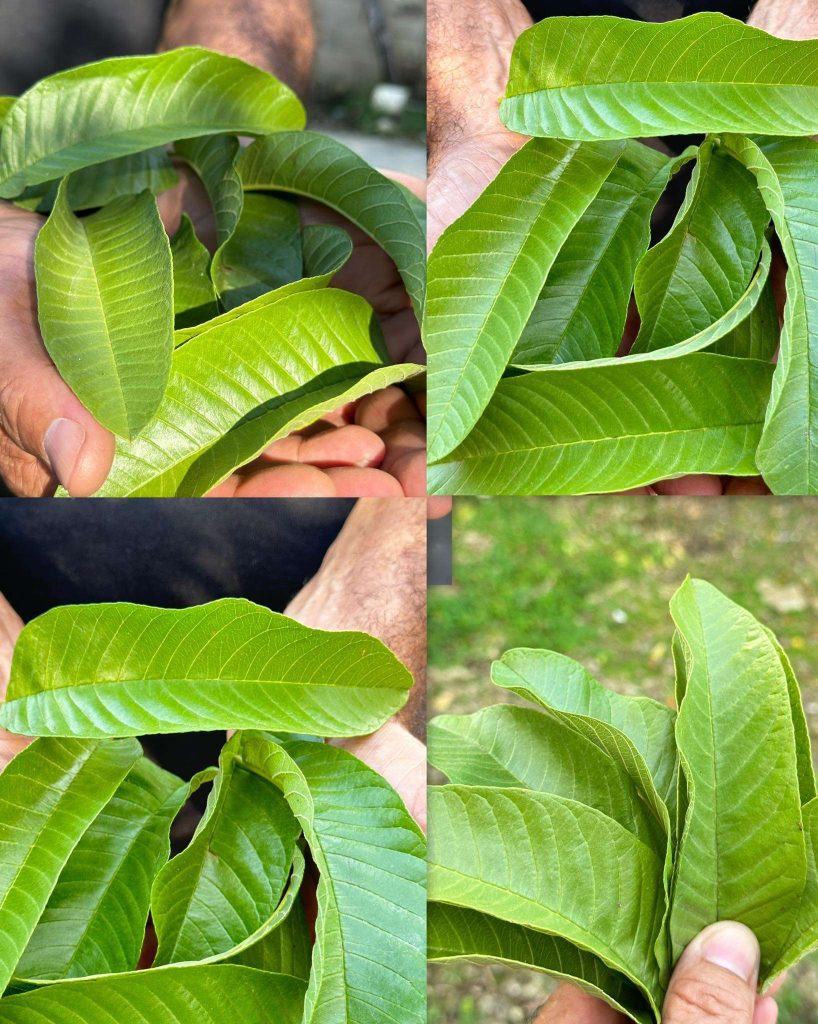
Guava leaves are far more than just a byproduct of the fruit; they are a powerhouse of natural compounds that have been used in traditional medicine for centuries. From boosting your immune system to improving your hair health, these humble leaves offer a wide range of scientifically-backed benefits. In this article, we will explore the most compelling reasons to incorporate guava leaves into your daily wellness routine, providing you with practical advice and actionable tips. Whether you brew them as a tea, apply them topically, or use them in extracts, you’ll discover how this green treasure can transform your health. 🌿
Espanol
🍃 Rich in Antioxidants and Anti-Inflammatory Compounds
One of the most significant benefits of guava leaves is their high concentration of antioxidants, such as flavonoids, quercetin, and vitamin C. These compounds help neutralize free radicals in the body, reducing oxidative stress and slowing down the aging process. Chronic inflammation is linked to many diseases, including heart conditions and arthritis, and the anti-inflammatory properties of guava leaf extract can provide natural relief. A study published in the Journal of Ethnopharmacology found that guava leaf tea significantly reduced inflammatory markers in test subjects. For maximum benefit, consider drinking one cup of guava leaf tea daily, especially after heavy meals or during seasonal changes. 🌡️
Beyond internal use, the leaves can be used topically to soothe skin irritations. Simply crush a handful of fresh guava leaves and apply the paste to acne, insect bites, or minor cuts. The antibacterial and anti-inflammatory effects help reduce redness and speed up healing. This is a simple, cost‑effective remedy you can prepare at home. 💚
🩺 Supports Digestive Health and Relieves Stomach Issues
Guava leaves have been traditionally used to treat diarrhea, indigestion, and stomach cramps. The leaves contain compounds like tannins that help bind and firm up loose stools, making them an excellent natural remedy for acute diarrhea. A 2017 clinical trial demonstrated that guava leaf extract was as effective as standard antidiarrheal medications, without the side effects. To make a soothing digestive tea, steep 5–6 fresh guava leaves (or 1 tablespoon of dried leaves) in boiling water for 10 minutes, then strain and drink. This can be taken up to three times a day during digestive distress. 🍵
Additionally, guava leaves promote the growth of beneficial gut bacteria. The polyphenols in the leaves act as prebiotics, feeding the good microbes in your intestines. This helps improve nutrient absorption and overall gut health. For a more concentrated dose, you can find guava leaf supplements in capsule form, but always consult with a healthcare provider before starting any new regimen. 🌱
🧪 May Help Lower Blood Sugar Levels
For individuals managing diabetes or prediabetes, guava leaves can be a valuable addition to their dietary strategies. Several studies indicate that guava leaf extract can reduce blood glucose levels by inhibiting the absorption of sucrose and maltose in the gut. This helps prevent sharp spikes in blood sugar after meals. A 2013 study in the journal Nutrition and Metabolism showed that participants who consumed guava leaf tea before a meal had significantly lower post‑meal blood sugar levels compared to the control group. 🌡️
To incorporate this benefit, drink a cup of unsweetened guava leaf tea about 30 minutes before lunch or dinner. You can also use guava leaf powder as a spice in soups or smoothies. However, if you are already taking diabetes medication, monitor your blood sugar closely and speak with your doctor, as guava leaves may enhance the effect of your medication. Always start with a small amount to see how your body responds. ⚖️
💇 Promotes Hair Growth and Scalp Health
Guava leaves are a hidden gem for hair care. Rich in vitamins B and C, as well as minerals like copper and zinc, they strengthen hair follicles, reduce hair fall, and stimulate new growth. A simple guava leaf rinse can transform your scalp health. Boil a handful of leaves in water for 15 minutes, let it cool, strain, and use it as a final rinse after shampooing. Massage it gently into your scalp for 2–3 minutes. This treatment helps combat dandruff, itchiness, and even premature graying. 🧴
For a more intensive treatment, blend guava leaves with coconut oil to create a nourishing hair mask. Apply it to your roots and lengths, leave it on for 30 minutes, then wash thoroughly. The antimicrobial properties of the leaves keep your scalp free from infections, while the nutrients strengthen each strand. Many users report noticeable improvements in hair texture and volume within a few weeks of regular use. 🌸
🦠 Antimicrobial and Antifungal Effects
Guava leaves possess powerful antimicrobial and antifungal properties that can help fight infections both internally and externally. The essential oils in the leaves, particularly eugenol and caryophyllene, have been shown to inhibit the growth of harmful bacteria like Staphylococcus aureus and Escherichia coli. This makes guava leaf extract a natural alternative for oral hygiene – you can use it as a mouthwash to reduce plaque, gingivitis, and bad breath. Simply steep leaves in hot water, let cool, and gargle twice daily. 🦷
Topically, the same antimicrobial action can help treat skin fungal infections such as athlete’s foot or ringworm. Apply concentrated guava leaf tea or a paste directly to the affected area twice a day. For best results, combine this with other hygiene practices. Remember that natural remedies can take longer to show effects, so consistency is key. 🔬
🧑🌾 How to Use Guava Leaves Safely and Effectively
To get the most out of guava leaves, follow these practical tips:
- Choose fresh leaves from a clean source (organic preferred). If using dried leaves, ensure they are not moldy.
- For tea: use 5–6 fresh leaves or 1 tablespoon of dried leaves per cup of boiling water. Steep for 10 minutes, strain, and drink. You can add a little honey or lemon for taste.
- For topical applications: crush fresh leaves into a paste with a little water, or boil them to make a concentrated tea.
- Start with small doses (e.g., half a cup of tea per day) to see how your body reacts, especially if you have any underlying health conditions.
- Pregnant or breastfeeding women should consult a healthcare professional before using guava leaves medicinally.
Guava leaves are generally safe for most people, but like any natural remedy, they are not a substitute for medical treatment. Always listen to your body and stop use if you experience any adverse reactions. 🌿
🔚 Conclusion
Guava leaves are a versatile and powerful natural resource that can support your health in multiple ways – from fighting inflammation and aiding digestion to improving hair health and controlling blood sugar. By incorporating them into your daily routine through tea, topical applications, or supplements, you can tap into centuries of traditional wisdom backed by modern research. Remember that consistency and proper preparation are the keys to unlocking these benefits. Start today by brewing a cup of guava leaf tea or crafting a simple hair rinse. Your body will thank you. 🌟
We hope this guide has provided you with valuable, actionable information. If you found it helpful, share it with friends and family who might also enjoy the benefits of this amazing leaf. Here’s to your health – naturally! 🎉
Deja una respuesta