BENEFITS OF GUAVA LEAVES
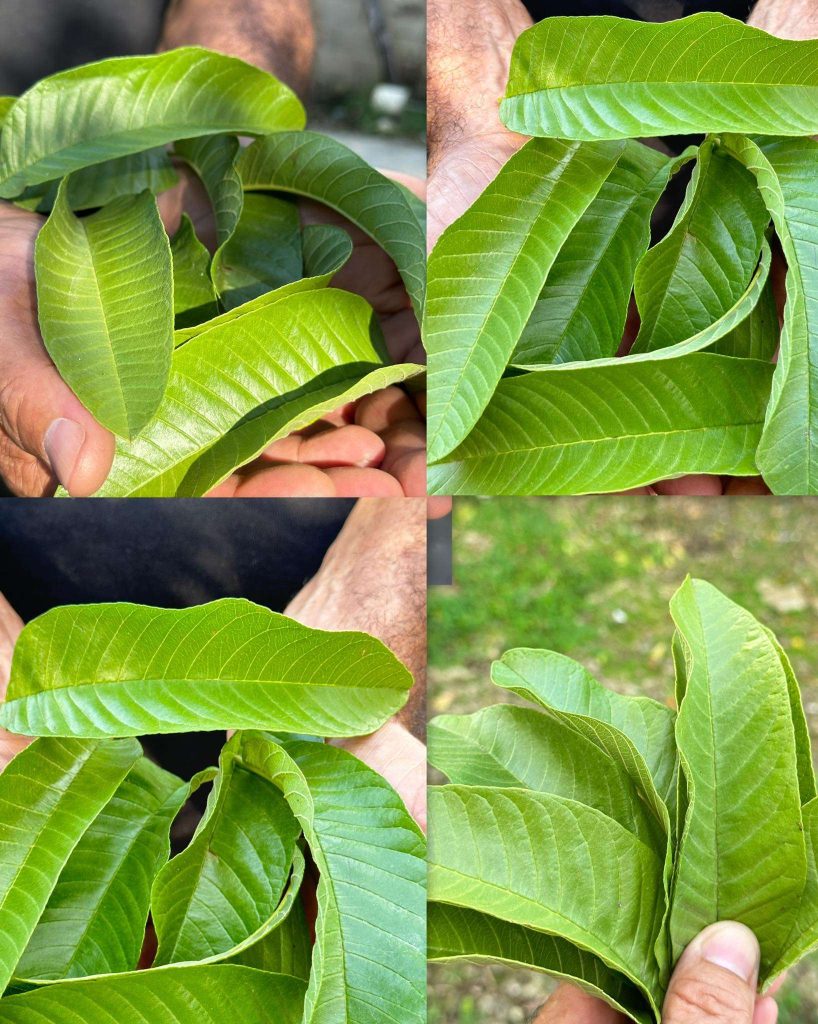
 Espanol
BENEFITS OF GUAVA LEAVES 🌿
Espanol
When most people think of guava, their minds immediately go to the sweet, tropical fruit. However, the leaves of the guava tree (Psidium guajava) have been used for centuries in traditional medicine across Asia, Latin America, and Africa. Modern research is now validating many of these ancient uses, revealing that guava leaves are a powerhouse of antioxidants, antimicrobial compounds, and anti‑inflammatory agents. In this article, we will explore the scientifically supported benefits of guava leaves, how to use them safely, and practical tips for incorporating them into your daily health routine. Whether you are looking to improve digestion, boost immunity, or care for your skin, guava leaves offer a natural, accessible solution. Let’s dive in. 🌱
What Makes Guava Leaves So Powerful? 🧪
Guava leaves contain a rich profile of bioactive compounds, including flavonoids (such as quercetin), tannins, essential oils, and vitamin C. The most notable compound is quercetin, a potent antioxidant that helps neutralize free radicals and reduce oxidative stress. Additionally, guava leaves are packed with polyphenols that have demonstrated antibacterial, antiviral, and anti‑diarrheal properties. The leaves also contain carotenoids and lycopene (yes, the same antioxidant found in tomatoes), which support cardiovascular health and skin protection. Because of this unique combination, guava leaves can address a wide range of health concerns, from gastrointestinal issues to chronic inflammation. 🌿
1. Digestive Health Support 🍃
One of the most well‑known traditional uses of guava leaves is for treating digestive problems. Research has shown that a decoction (tea) made from guava leaves can help relieve diarrhea, particularly when caused by bacterial infections. The tannins in the leaves have an astringent effect that helps reduce intestinal secretions and slow down bowel movements. A study published in the Journal of Ethnopharmacology found that guava leaf extract inhibited the growth of Staphylococcus aureus and Escherichia coli, two common culprits of food poisoning and traveler’s diarrhea. 🚽
To use guava leaves for digestive relief, steep 5–6 fresh or dried leaves in hot water for 10 minutes, strain, and drink up to two cups per day. If you have chronic indigestion or irritable bowel syndrome (IBS), drinking guava leaf tea regularly may help calm the gut and reduce bloating.
2. Blood Sugar Regulation 🩸
Several studies indicate that guava leaves can help lower blood glucose levels and improve insulin sensitivity. The flavonoids and polysaccharides in the leaves inhibit the activity of alpha‑glucosidase, an enzyme responsible for breaking down carbohydrates into sugar. By slowing this process, guava leaves help prevent sharp spikes in blood sugar after meals. In a 2010 clinical trial, participants who consumed guava leaf tea before meals experienced significantly lower post‑meal blood sugar levels compared to those who drank a placebo. For people with type 2 diabetes or prediabetes, incorporating guava leaf tea into a balanced diet may be a valuable complementary strategy. 🍵
Important note: Always consult your healthcare provider before using guava leaves if you are on diabetes medication, as they may enhance the effects and cause hypoglycemia.
3. Heart Health and Cholesterol 🌿❤️
Guava leaves have demonstrated a positive impact on cardiovascular markers. Animal studies and preliminary human trials suggest that regular consumption of guava leaf extract can reduce total cholesterol, LDL (“bad”) cholesterol, and triglycerides while increasing HDL (“good”) cholesterol. This effect is largely attributed to the high antioxidant content and the ability of the leaves to inhibit the absorption of dietary cholesterol in the gut. Additionally, the anti‑inflammatory properties of guava leaves help protect blood vessels from damage caused by chronic inflammation. In one study, participants who drank guava leaf tea for 8 weeks saw a 10–15% reduction in LDL cholesterol. 📉
Adding a cup of guava leaf tea to your daily routine, along with a heart‑healthy diet rich in fruits, vegetables, and whole grains, can support long‑term cardiovascular wellness.
4. Antimicrobial and Antiviral Properties 🦠
The leaves of the guava tree have been used traditionally as a natural remedy for infections, and science confirms their effectiveness. Guava leaf extracts are active against a wide range of bacteria, including Salmonella, Shigella, and Streptococcus mutans (a major cause of dental cavities). The tannins and flavonoids disrupt bacterial cell walls and prevent the formation of biofilms. Moreover, guava leaves show antiviral activity against viruses such as influenza A and herpes simplex virus. Gargling with guava leaf tea can help soothe sore throats and reduce mouth ulcers. For oral hygiene, you can also chew a few fresh leaves (if you can tolerate the slightly bitter taste) or use a mouthwash made from the tea. 😷
5. Skin and Hair Care Benefits 💆♀️
Thanks to their high antioxidant and antimicrobial content, guava leaves are excellent for topical use. They can help treat acne by reducing inflammation and killing acne‑causing bacteria, such as Propionibacterium acnes. Make a simple toner by boiling a handful of guava leaves in water, cooling the liquid, and applying it to the face with a cotton pad. This natural toner can also help tighten pores and reduce excess oil. 🧴
For hair, guava leaf tea can be used as a final rinse after shampooing. The nutrients strengthen hair follicles, promote scalp health, and may reduce hair loss. Some anecdotal reports suggest that regular use can even help darken gray hair naturally, although more research is needed. To make a hair rinse, steep 8–10 leaves in boiling water for 20 minutes, strain, cool, and pour over clean hair. Massage into the scalp and leave for 5 minutes before rinsing with plain water.
6. Weight Management Assistance ⚖️
Guava leaves may also support weight loss efforts. The tea has a natural ability to block the absorption of complex carbohydrates, reducing the number of calories absorbed from starchy foods. Additionally, the antioxidants help improve metabolism and reduce oxidative stress, which is often elevated in overweight individuals. While guava leaf tea is not a magic bullet, it can be a helpful addition to a calorie‑controlled diet and regular exercise routine. Drinking a cup of guava leaf tea before meals can also promote a feeling of fullness, potentially leading to lower calorie intake. 🏃♂️
How to Prepare and Use Guava Leaves Safely 🧑🍳
Guava leaves are easy to use at home. Here are the most common methods:
- Tea (infusion): Wash 5–7 fresh guava leaves (or use 1 tablespoon of dried leaves). Boil 2 cups of water, add the leaves, and let simmer for 10 minutes. Strain and drink warm. You can add honey or lemon for taste. Drink 1–3 cups per day.
- Decoction (stronger brew): Use 10–12 leaves per 2 cups of water. Boil for 15–20 minutes. This is more concentrated and is often used for digestive issues or skin applications.
- Topical paste: Grind fresh leaves into a paste with a little water. Apply to acne, wounds, or insect bites. Leave on for 10–15 minutes, then rinse.
- Capsules or extracts: Available in health food stores. Follow the dosage instructions on the label. Consult a healthcare professional before starting any new supplement.
Safety precautions: Guava leaves are generally safe for most people when used in moderate amounts. However, pregnant or breastfeeding women should consult a doctor before using them medicinally. People with low blood pressure or those taking blood pressure medication should also be cautious, as guava leaves may lower blood pressure further. Lastly, avoid using guava leaf supplements if you are about to undergo surgery, as they could affect blood sugar control. ⚠️
Conclusion: A Simple Leaf with Extraordinary Benefits 🌟
Guava leaves are far more than just a byproduct of the fruit. They are a versatile, scientifically backed natural remedy that can support digestion, balance blood sugar, improve heart health, fight infections, enhance skin and hair, and even aid in weight management. By incorporating guava leaf tea into your daily routine, you tap into centuries of traditional wisdom validated by modern science. The best part? They are inexpensive, widely available, and easy to prepare. Whether you grow a guava tree in your backyard or buy dried leaves online, adding this green powerhouse to your wellness toolkit is a smart, natural choice. 🌿
Final thought: Remember that guava leaves are not a substitute for professional medical advice or treatment. Use them as a complementary approach to a healthy lifestyle. Start today with a warm cup of guava leaf tea and experience the benefits for yourself. 🍵✨
Deja una respuesta