BENEFITS OF GUAVA LEAVES
 Espanol
🌿 Benefits of Guava Leaves: A Comprehensive Guide to Nature’s Hidden Superfood
Espanol
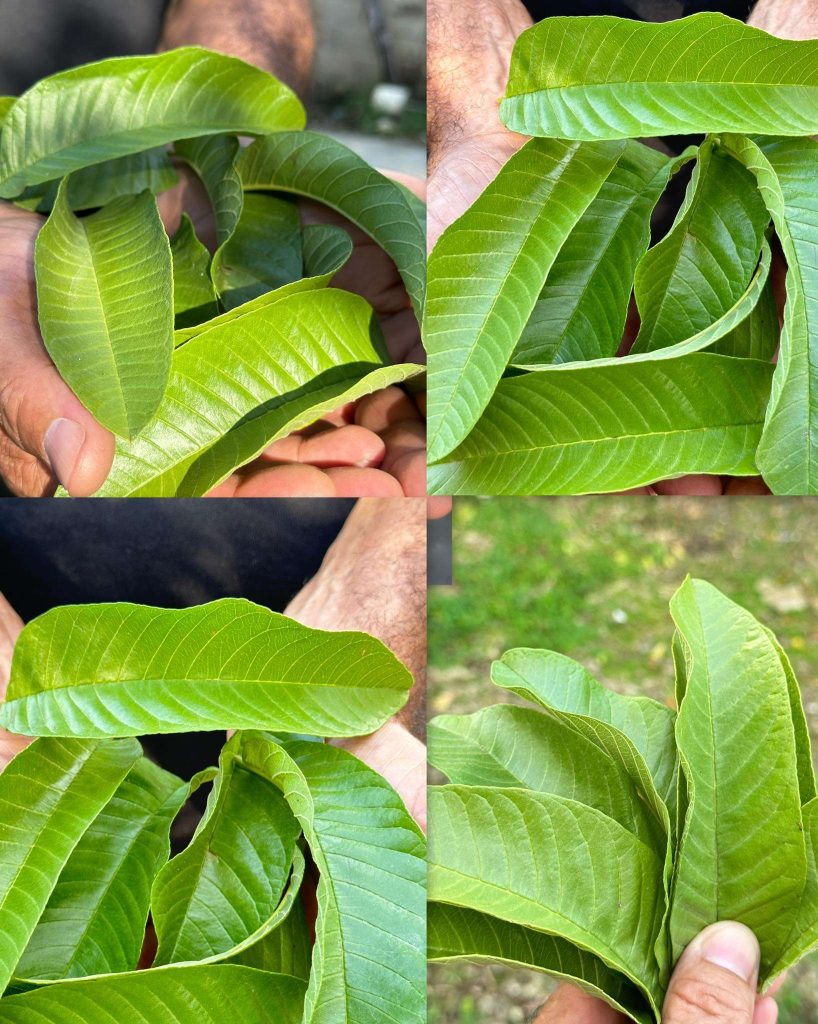
When we think of guava, most of us imagine the sweet, tropical fruit. But the leaves of the guava tree are actually a treasure trove of health benefits that have been used for centuries in traditional medicine. Packed with antioxidants, anti‑inflammatory compounds, and antimicrobial properties, guava leaves can support everything from digestion to skin health. In this article, we will explore the most powerful benefits of guava leaves, how to use them safely, and practical tips to incorporate them into your daily routine. 🍃
1. 🌱 Powerful Antioxidant and Anti‑Inflammatory Properties
Guava leaves are rich in flavonoids like quercetin, as well as vitamin C and carotenoids. These compounds work together to neutralise harmful free radicals and reduce oxidative stress in the body. Chronic inflammation is linked to many modern diseases, including heart disease and arthritis. A study published in the *Journal of Ethnopharmacology* showed that guava leaf extract significantly reduced inflammation in animal models. Including guava leaf tea in your wellness routine can help lower systemic inflammation and protect your cells. 🛡️
2. 🩺 Supports Digestive Health and Relieves Diarrhea
One of the most well‑known traditional uses of guava leaves is for treating digestive issues, especially diarrhea. The leaves contain compounds that inhibit the growth of harmful bacteria like *Staphylococcus aureus* and *E. coli*, while also reducing the secretion of fluids in the intestines. A 2010 clinical trial found that guava leaf extract shortened the duration of acute diarrhea in children. To use, boil 5‑6 fresh guava leaves in water, strain, and drink the tea twice a day. Always consult a doctor for severe or persistent symptoms. 🍵
3. 🦷 Improves Oral Health and Fights Gum Disease
Thanks to its antibacterial and anti‑plaque properties, guava leaf tea can be an excellent natural mouthwash. Rinsing with cooled guava leaf infusion helps reduce plaque, soothe gum inflammation, and even fight bad breath. A study in *The Journal of Natural Medicines* reported that guava leaf extract was effective against *Porphyromonas gingivalis*, a major cause of chronic periodontitis. Try swishing the tea for 30 seconds after brushing for a fresh and healthy mouth. 🦷✨
4. 💚 Helps Manage Blood Sugar Levels
For people with diabetes or pre‑diabetes, guava leaves may offer a natural way to help regulate blood glucose. The leaves inhibit the activity of α‑glucosidase and α‑amylase, enzymes that break down carbohydrates into sugars. This slows sugar absorption, leading to more stable post‑meal blood sugar levels. A Japanese study demonstrated that guava leaf tea consumption significantly lowered blood sugar spikes in diabetic patients. Drinking one cup of guava leaf tea after meals can be a beneficial addition to a diabetes management plan. 🩸
5. 🌸 Promotes Healthy Skin and Reduces Acne
Guava leaves are a natural astringent and antimicrobial agent, making them ideal for oily and acne‑prone skin. Applying a paste of crushed leaves or a cooled tea directly to the skin can reduce acne lesions, soothe irritation, and even help fade dark spots. The antioxidants also protect the skin from premature aging caused by UV damage. For a simple DIY mask, mix crushed guava leaves with a little honey and apply for 15 minutes. Always patch test before applying to your entire face. 🧴🌿
6. ❤️ Supports Heart Health and Lowers Cholesterol
Regular consumption of guava leaf tea may help improve cardiovascular health by lowering LDL (bad) cholesterol and triglycerides, while raising HDL (good) cholesterol. The high levels of soluble fiber and antioxidants in the leaves help reduce plaque buildup in arteries. A clinical trial of 120 participants found that those who drank guava leaf tea for three months experienced a significant drop in total cholesterol levels. Pairing this tea with a balanced diet and exercise can amplify heart‑protective effects. 💓
7. 🧠 Aids Weight Loss and Metabolism
Guava leaves can be a helpful ally in weight management because they prevent complex carbohydrates from being converted into sugars, thereby reducing fat storage. Additionally, the tea is naturally low in calories and has a mild appetite‑suppressing effect. Drinking a cup before meals can help you feel fuller and reduce overeating. Remember that guava leaf tea is not a magic bullet – it works best when combined with a healthy lifestyle. ⚖️
8. 🤒 Boosts Immune System and Fights Infections
The high concentration of vitamin C (even higher in the leaves than in the fruit) and antimicrobial compounds make guava leaves an excellent immune booster. They have been used traditionally to treat coughs, colds, and respiratory infections. A 2018 study showed that guava leaf extract inhibited the growth of several strains of influenza virus. Drinking guava leaf tea during cold season may help you recover faster and reduce symptom severity. 🦠🛡️
9. 🧴 Natural Hair Care for a Healthy Scalp
Guava leaves can also benefit your hair. The antifungal and antibacterial properties help combat dandruff and scalp infections. Rinsing your hair with guava leaf tea after shampooing can strengthen hair follicles, reduce hair fall, and add shine. Some anecdotal reports suggest that the leaves also stimulate hair growth when massaged into the scalp. Use the cooled tea as a final rinse once a week for best results. 💇♀️✨
10. ⚠️ How to Use Guava Leaves Safely
While guava leaves are generally safe, there are a few precautions to keep in mind:
- Start with small amounts – especially if you are trying guava leaf tea for the first time, to check for any allergic reactions.
- Avoid during pregnancy or breastfeeding without medical advice, as high doses may stimulate uterine contractions.
- Do not replace prescribed medications – guava leaves are a complementary remedy, not a substitute for professional treatment.
- Harvest clean leaves – if you pick them yourself, use organic, unsprayed leaves from a reliable source.
- Consult your doctor if you have any underlying health conditions or are taking medications for diabetes, blood pressure, or blood thinners.
📝 To make a standard cup of guava leaf tea: Steep 5‑6 fresh or dried leaves in 1 cup of boiling water for 10‑15 minutes, then strain. You can drink it up to 2‑3 times a day. Sweeten with a little honey if desired.
🔬 The Science Behind the Leaves
Modern research continues to confirm what traditional healers have known for ages. Studies have identified over 50 bioactive compounds in guava leaves, including tannins, flavonoids, saponins, and essential oils. These compounds work synergistically to provide the health benefits we’ve discussed. For example, the high tannin content gives the leaves their astringent effect, which is why they are so effective for diarrhea and wound healing. The flavonoid quercetin is especially notable for its anti‑allergic and anti‑cancer properties. Ongoing research is exploring guava leaf extracts as potential adjuncts in cancer therapy and metabolic syndrome treatment. 🔬👩🔬
💡 Conclusion: Your Daily Dose of Guava Leaf Wellness
Guava leaves are far more than a humble garden plant – they are a powerhouse of natural healing. From soothing an upset stomach to protecting your heart and skin, these leaves offer a safe, affordable, and accessible way to enhance your well‑being. The beauty of guava leaf tea lies in its simplicity: you can prepare it in minutes, and it integrates seamlessly into your daily routine.
Key takeaway: Start by drinking one cup of guava leaf tea per day and observe how your body responds. Combine it with a balanced diet, regular exercise, and proper medical care for optimal results. Share this knowledge with family and friends – nature’s pharmacy is right in your backyard! 🌿💚
Disclaimer: The information in this article is for educational purposes only and does not substitute professional medical advice. Always consult a healthcare provider before starting any new herbal regimen.
Deja una respuesta