BENEFITS OF GUAVA LEAVES
 Espanol
Benefits of Guava Leaves: A Comprehensive Guide to Nature's Hidden Treasure 🌿
Espanol
Guava leaves are often overlooked in favor of the fruit itself, but these humble green leaves pack a powerful punch of health-promoting compounds. For centuries, traditional medicine systems across Asia, Africa, and Latin America have used guava leaf extracts to treat digestive issues, infections, and inflammation. Modern research is now validating many of these ancient uses, revealing that guava leaves are a rich source of antioxidants, antibacterial agents, and anti‑inflammatory substances. In this article, we will explore the scientifically backed benefits of guava leaves, how to incorporate them into your daily routine, and practical tips to maximize their effects. Whether you are looking to improve your digestion, boost your immune system, or support skin health, guava leaves offer a natural, accessible solution. Let’s dive in! 🍃
Why Guava Leaves Deserve a Place in Your Wellness Routine
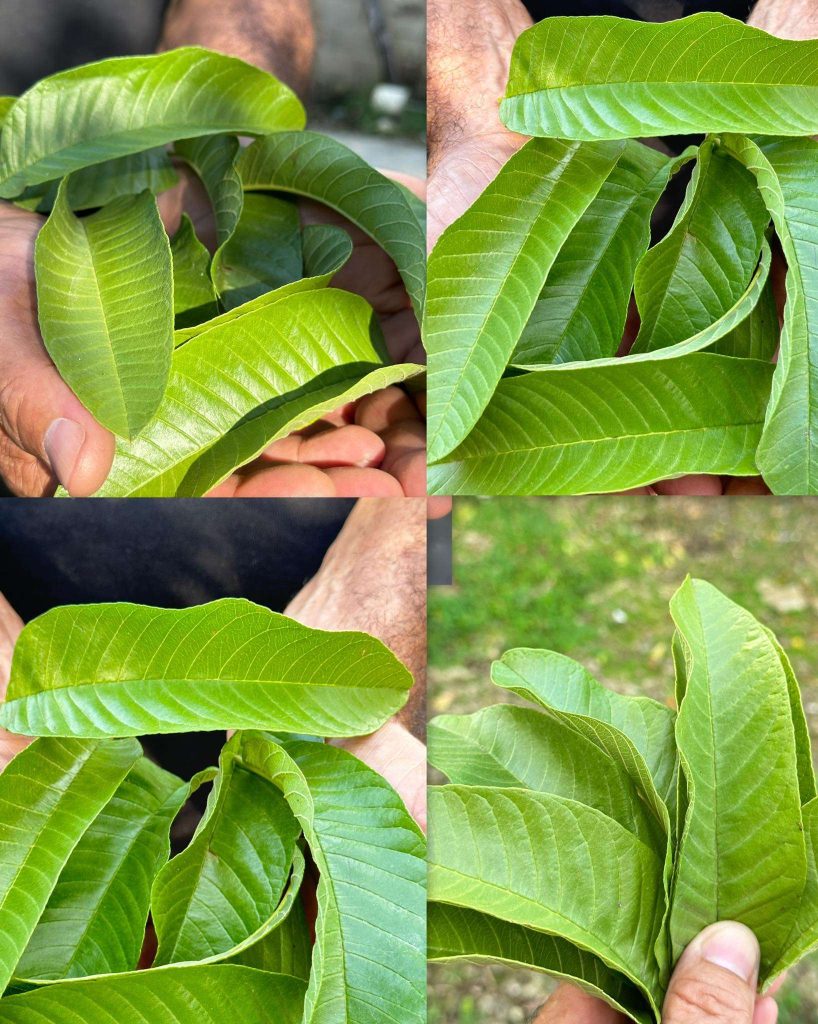
Guava leaves are not just a byproduct of the fruit tree (Psidium guajava). They contain a unique combination of bioactive compounds, including flavonoids (such as quercetin), tannins, vitamin C, carotenoids, and essential oils. These compounds work synergistically to provide a wide range of health benefits. Unlike many synthetic supplements, guava leaves are inexpensive, easy to prepare, and have minimal side effects when used correctly. Their versatility—from teas to topical pastes—makes them a valuable addition to any natural health toolkit.
🌱 Key takeaway: Guava leaves are a concentrated source of antioxidants and antimicrobial agents that can support multiple body systems without the need for expensive products.
Top Health Benefits of Guava Leaves
Below are the most notable benefits, organized by the body system they support. Each benefit is backed by scientific studies or long‑standing traditional use.
1. Digestive Health Support 🧘♂️
Guava leaves have been used for generations to treat diarrhea, dysentery, and stomach upset. The high tannin content acts as a natural astringent, reducing intestinal inflammation and slowing down bowel movements. A study published in the Journal of Ethnopharmacology found that guava leaf extract significantly reduced the severity and duration of acute diarrhea in children and adults. Additionally, the leaves’ antibacterial properties help combat harmful bacteria like E. coli and Staphylococcus aureus, which are common culprits of food poisoning.
Practical tip: For mild diarrhea, drink a cup of guava leaf tea (steep 5–8 fresh leaves in boiling water for 10 minutes) twice a day. Avoid using excessive leaves, as too much tannin can cause constipation.
2. Blood Sugar Regulation 🩸
One of the most promising areas of research is guava leaves’ ability to help manage type 2 diabetes. Compounds like quercetin and avicularin inhibit the activity of alpha‑glucosidase, an enzyme that breaks down carbohydrates into glucose. This leads to a slower, steadier release of sugar into the bloodstream after meals. A 2019 clinical trial showed that participants who consumed guava leaf tea for 12 weeks experienced a significant reduction in post‑meal blood glucose levels and improved insulin sensitivity.
- How to use: Steep 3–5 dried guava leaves in hot water for 15 minutes and drink one cup after lunch and dinner.
- Caution: If you are on diabetes medication, consult your doctor before adding guava leaf tea to your routine.
3. Heart Health and Cholesterol Control ❤️
High cholesterol and oxidative stress are major risk factors for cardiovascular disease. Guava leaves are rich in antioxidants that help lower LDL (“bad”) cholesterol while raising HDL (“good”) cholesterol. Animal studies have demonstrated that regular consumption of guava leaf extract can reduce triglyceride levels and prevent the oxidation of cholesterol, which is a key step in the formation of arterial plaques. The potassium content also supports healthy blood pressure by relaxing blood vessel walls.
Tip for daily use: Add a tablespoon of powdered guava leaves to your morning smoothie or yogurt. Start with a small amount to see how your body reacts.
4. Skin Health and Anti‑Aging 🌸
Thanks to their potent antimicrobial and anti‑inflammatory properties, guava leaves are excellent for treating acne, blemishes, and minor skin irritations. A paste made from crushed fresh leaves can reduce redness and swelling within hours. The vitamin C and lycopene in the leaves also boost collagen production, helping to maintain skin elasticity and reduce fine lines.
DIY face mask recipe: Crush a handful of young guava leaves into a paste, mix with a teaspoon of honey, and apply to your face for 15 minutes. Rinse with warm water. Repeat 2–3 times a week for clearer, brighter skin. 🍯
5. Oral Health and Gum Care 🦷
Guava leaves have a long history in traditional dentistry. Chewing on a clean, soft leaf can temporarily relieve toothache and reduce gum inflammation. The leaves’ antibacterial and astringent qualities help fight plaque‑forming bacteria and strengthen gum tissue. A study from the Journal of Periodontology found that a mouthwash made from guava leaf extract was as effective as a commercial antiseptic mouthwash in reducing bacterial count.
Simple mouth rinse: Boil 10 fresh guava leaves in two cups of water for 20 minutes. Let it cool, strain, and use as a mouthwash twice a day. Do not swallow.
6. Immune System Booster 🛡️
The high concentration of vitamin C—four times more than in oranges—makes guava leaves a powerful immune booster. Combined with other antioxidants like quercetin and kaempferol, these leaves help the body fight off infections, reduce the severity of colds, and speed up recovery from illness. Regular consumption may also reduce chronic inflammation, which is linked to many autoimmune conditions.
💡 Pro tip: During flu season, drink guava leaf tea with a squeeze of lemon and a dash of honey. This combination enhances the absorption of antioxidants and soothes sore throats.
7. Weight Management Support ⚖️
Guava leaves can aid weight loss in two ways. First, they help stabilize blood sugar levels, which reduces sudden cravings for sugary snacks. Second, they have a mild diuretic effect, helping your body flush out excess water and toxins. Some studies suggest that the leaves can also slightly increase metabolism, though this effect is modest.
Integration tip: Drink a cup of guava leaf tea 30 minutes before meals to help control appetite. Combine with a balanced diet and regular exercise for best results.
How to Prepare and Use Guava Leaves
You can obtain guava leaves from a local Indian or Asian grocery store, or directly from a guava tree if you have access. They are available fresh, dried, or as a powder. Here are the most common preparation methods:
- Tea (infusion): Add 5–10 fresh leaves (or 2–3 dried leaves) to a cup of boiling water. Cover and steep for 10–15 minutes. Drink warm. You can reuse the leaves for a second, weaker brew.
- Powder: Dry the leaves in a well‑ventilated area (avoid direct sunlight to preserve potency). Grind into a fine powder using a blender. Store in an airtight container. Use ½ to 1 teaspoon per day, mixed with water, juice, or food.
- Topical paste: Crush fresh leaves with a mortar and pestle (or blend with a few drops of water) until a smooth paste forms. Apply to affected skin areas and leave for 15–20 minutes before rinsing.
- Mouthwash: Boil a handful of leaves in two cups of water until the liquid reduces by half. Strain, cool, and use as a rinse.
💊 Important: Always wash fresh leaves thoroughly with clean water to remove dirt and potential pesticides. If you are using store‑bought dried leaves, check that they are organic.
Precautions and Potential Side Effects
While guava leaves are generally safe for most people, a few considerations are worth noting:
- Pregnancy and breastfeeding: Limited research exists, so it is best to avoid internal use unless advised by a doctor. Topical use is likely safe.
- Diabetes medication: Because guava leaves lower blood sugar, combining them with insulin or oral hypoglycemics may cause hypoglycemia. Monitor your levels closely.
- Low blood pressure: The leaves can slightly lower blood pressure. If you already have hypotension, be cautious.
- Allergies: In rare cases, people with sensitivities to plants in the Myrtaceae family may experience allergic reactions like itching or rash. Discontinue use if any symptoms appear.
- Digestive upset: Overconsumption (more than 4 cups of tea per day) may lead to constipation due to high tannin content. Stick to moderate amounts.
As with any natural remedy, start with a small dose and observe how your body responds. If you have a chronic condition or are taking medication, consult a healthcare professional before adding guava leaves to your routine.
Conclusion: Embrace the Power of Guava Leaves 🌟
From supporting digestive health and regulating blood sugar to enhancing skin radiance and boosting immunity, guava leaves offer a remarkable array of benefits—all from a simple, renewable resource. Unlike many exotic superfoods that require complex supply chains, guava leaves are affordable, easy to find, and versatile in their uses. Whether you choose to brew them into a soothing tea, incorporate the powder into your meals, or apply them directly to your skin, these leaves can become a cornerstone of your natural wellness practice.
Remember that consistency matters more than quantity: a daily cup of guava leaf tea over several weeks will yield more noticeable results than occasional large doses. Pair this habit with a balanced diet, regular exercise, and adequate sleep for optimal health.
🌱 Your next step: Try making a cup of guava leaf tea today. Note how you feel after a week—especially your digestion, energy levels, and cravings. Share your experience with friends and family; nature’s gifts are meant to be shared.
Disclaimer: This article is for informational purposes only and does not constitute medical advice. Always consult a qualified healthcare provider before starting any new health regimen, especially if you have underlying conditions or are pregnant.
Deja una respuesta