BENEFITS OF GUAVA LEAVES
 Espanol
Benefits of Guava Leaves: A Comprehensive Guide to Their Health and Wellness Properties
Espanol
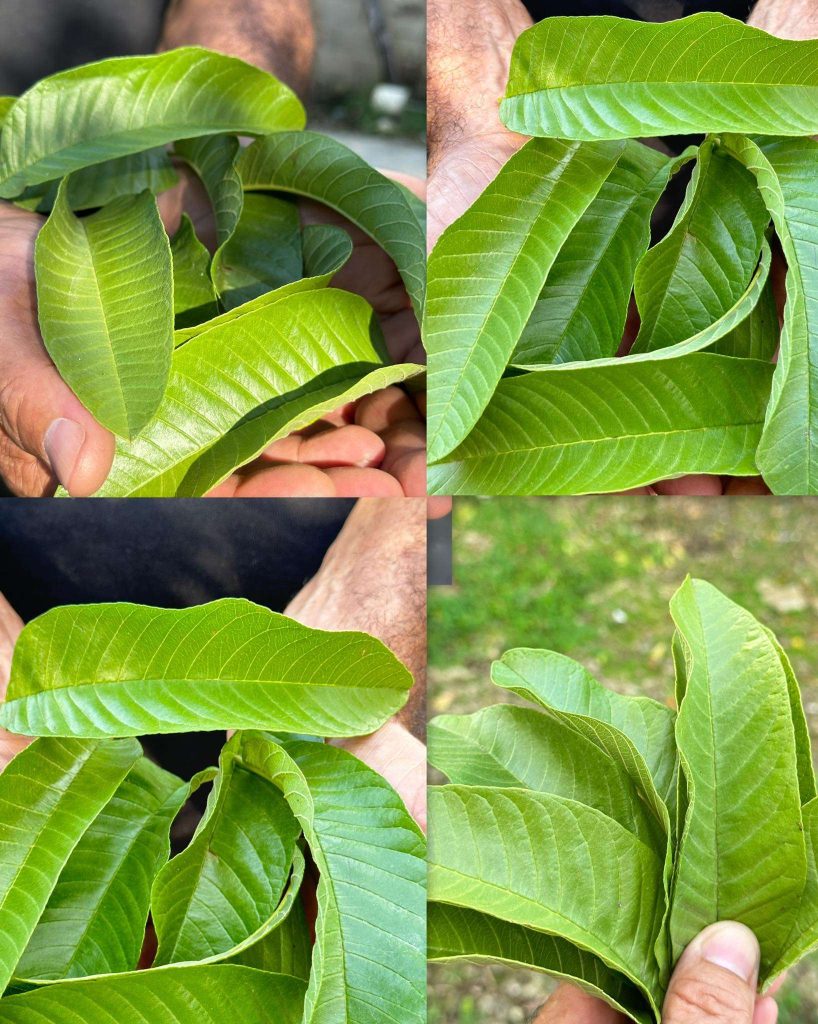
Guava leaves are often overlooked in favor of the fruit, yet they pack a powerful punch of nutrients and bioactive compounds that can support your health in remarkable ways. From digestive aid to hair care, these leaves have been used in traditional medicine for centuries. In this article, we explore the scientific evidence behind the top benefits of guava leaves and provide practical tips on how to incorporate them into your daily routine. Whether you brew a tea or apply a topical compress, you will discover why this humble leaf deserves a spot in your wellness arsenal. 🌿
What Makes Guava Leaves So Potent? 🧪
Guava leaves are rich in antioxidants such as flavonoids, tannins, and vitamin C. They also contain essential oils with antibacterial and anti‑inflammatory properties. The key compounds include quercetin, gallic acid, and caryophyllene, which work together to combat oxidative stress and support immune function. Unlike many synthetic supplements, guava leaves offer a natural, gentle way to improve your health without side effects when used properly.
Top 7 Health Benefits of Guava Leaves
1. Digestive Health and Relief from Diarrhea 💧
One of the most well‑researched benefits is the ability of guava leaf extract to reduce diarrhea and soothe stomach upset. The tannins in the leaves have astringent properties that help bind loose stools and decrease intestinal secretions. A study published in the Journal of Ethnopharmacology found that guava leaf tea significantly shortened the duration of diarrhea in children. Practical tip: Steep 3–5 fresh or dried guava leaves in boiling water for 10 minutes. Drink this tea twice a day until symptoms improve. Do not exceed 3 days without consulting a healthcare provider.
Additionally, the leaves can help with other digestive issues such as bloating, gas, and indigestion. Chewing a few clean, washed leaves or sipping the tea after meals may promote smoother digestion.
2. Blood Sugar Regulation 🩸
Guava leaves have shown promise in managing blood glucose levels. Compounds like quercetin and gallic acid inhibit enzymes that break down carbohydrates, leading to a slower release of sugar into the bloodstream. A 2013 study on diabetic rats demonstrated that guava leaf extract reduced blood sugar spikes after meals. For humans, consuming guava leaf tea regularly may help improve insulin sensitivity. Important: If you are on diabetes medication, monitor your levels closely and consult your doctor before adding guava leaves to your regimen. Pair the tea with a balanced diet for best results.
3. Weight Management Support ⚖️
Because guava leaves help stabilize blood sugar and reduce cravings, they can be a useful ally in weight management. The same compounds that control glucose also prevent fat storage triggered by insulin spikes. Moreover, guava leaf tea has a mild diuretic effect, helping flush excess water and reduce bloating. Practical advice: Replace sugary drinks with a cup of unsweetened guava leaf tea in the morning or before meals. This can help you feel full and curb your appetite naturally. Remember that no single ingredient works miracles – combine it with exercise and a whole‑food diet.
4. Oral Health and Fresh Breath 😁
The antibacterial and antiviral properties of guava leaves make them excellent for oral hygiene. Chewing fresh leaves or using a mouthwash made from the leaf infusion can combat bad breath, reduce plaque formation, and soothe gum inflammation. A study in the Journal of Clinical and Diagnostic Research reported that guava leaf mouthwash was as effective as commercial chlorhexidine in controlling oral bacteria. Simple recipe: Boil a handful of leaves in water for 15 minutes, strain, cool, and use as a mouthrinse twice daily. Do not swallow.
5. Skin Health and Wound Healing ✨
Guava leaves are packed with vitamin C and antimicrobial agents that accelerate wound healing and treat acne. Crushing fresh leaves into a paste and applying it to cuts, scrapes, or insect bites can reduce infection risk and speed recovery. For acne, steam the leaves and use the liquid as a toner, or apply the paste directly to pimples. The anti‑inflammatory properties help calm redness and swelling. Caution: Always wash your skin and leaves thoroughly before topical use. If irritation occurs, discontinue use.
6. Menstrual Pain Relief 🩸
Traditional medicine often uses guava leaves to alleviate dysmenorrhea (painful periods). The leaves contain compounds that relax uterine muscles and reduce prostaglandin production, which causes cramps. Drinking guava leaf tea 2–3 days before and during your period can help ease discomfort. A small clinical trial found that women who consumed guava leaf extract reported significantly less pain compared to a placebo group. Tip: Combine with a warm compress for added relief. If pain is severe, consult your gynecologist.
7. Hair Growth and Scalp Health 🧴
Guava leaves can stimulate hair follicles and improve circulation to the scalp, promoting hair growth and reducing hair fall. The antioxidants protect hair from oxidative damage caused by pollution and styling products. Boil a handful of leaves in water, let it cool, and use the infusion as a final rinse after shampooing. Massage the liquid into your scalp for 5 minutes. Regular use can also help control dandruff and itchiness. Note: Results vary, so try it for at least 4–6 weeks to see noticeable improvements.
How to Use Guava Leaves Safely and Effectively 🛠️
To maximize the benefits while avoiding adverse effects, follow these guidelines:
- Choose fresh or dried leaves from a reliable source. Avoid leaves that show signs of mold or chemical spray.
- Prepare tea correctly: Use 3–5 leaves per cup of hot water. Steep for 5–10 minutes, covered, to preserve volatile compounds.
- Dosage: Limit tea consumption to 2–3 cups per day. Excessive intake may cause constipation or stomach upset due to high tannin content.
- Topical use: Always perform a patch test on a small area of skin before applying leaf paste to larger areas.
- Special populations: Pregnant or breastfeeding women, people with chronic illnesses, and those on prescription drugs should consult a healthcare professional before using guava leaves therapeutically.
Conclusion: Embrace the Natural Power of Guava Leaves 🌟
Guava leaves are far more than a byproduct of the guava fruit – they are a versatile, affordable, and scientifically backed remedy for a wide range of health concerns. From improving digestion and controlling blood sugar to enhancing skin clarity and hair vitality, these leaves offer a gentle yet effective way to support your body. Remember that natural remedies work best when integrated into a holistic lifestyle that includes proper nutrition, hydration, rest, and medical guidance. Start small: brew a cup of guava leaf tea tomorrow morning and notice how it makes you feel. With regular use, you may unlock a new level of wellness inspired by nature’s wisdom. 🍃💚
Deja una respuesta