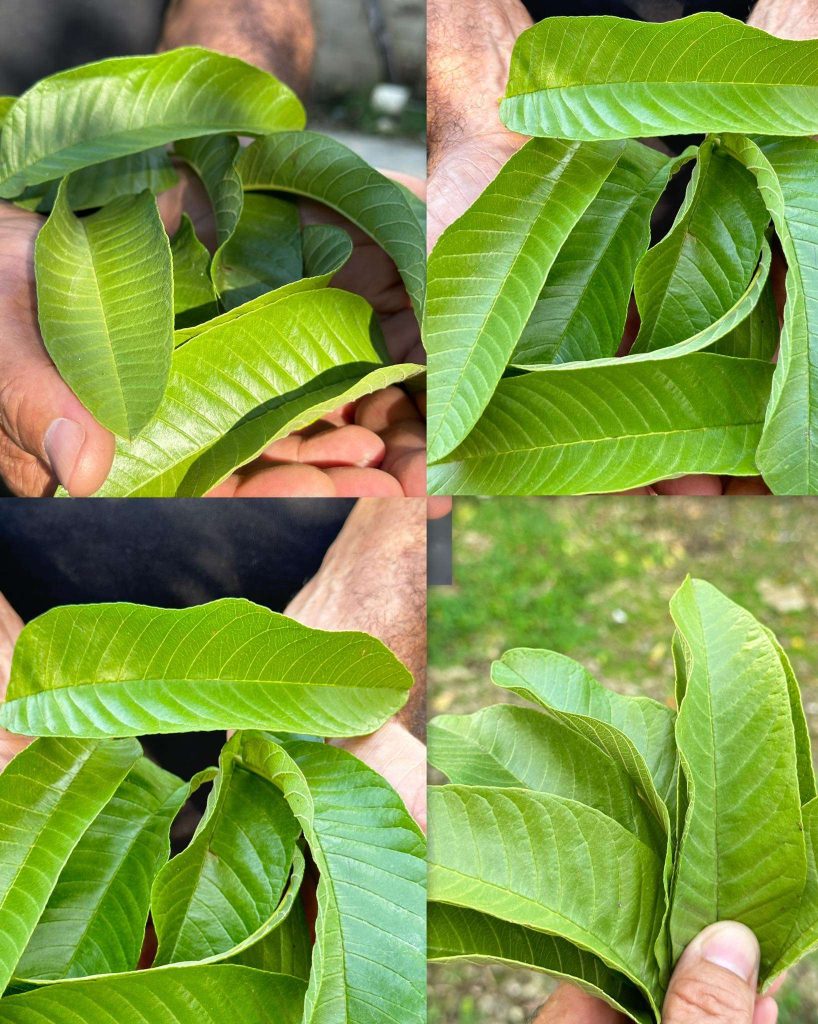
BENEFITS OF GUAVA LEAVES
 Espanol
BENEFITS OF GUAVA LEAVES
Espanol
🌿 Did you know that the humble guava leaf holds a treasure trove of health benefits often overlooked in favor of the fruit? While guava itself is a delicious tropical delight, its leaves have been used for centuries in traditional medicine across Asia, Africa, and Latin America. Packed with antioxidants, anti-inflammatory compounds, and antimicrobial properties, guava leaves offer a natural, affordable way to support your well-being. In this article, we explore the science-backed benefits of guava leaves, from improving digestion to promoting healthier skin and hair. Whether you are new to herbal remedies or looking to expand your wellness toolkit, these insights will help you make the most of this incredible plant.
Let us dive into the specific advantages and practical ways to incorporate guava leaves into your daily routine.
🌱 Nutritional Profile of Guava Leaves
Guava leaves are rich in bioactive compounds such as flavonoids, tannins, and essential oils. They contain high levels of vitamin C, though not as concentrated as the fruit, and are a good source of antioxidants like quercetin and lycopene. These compounds work synergistically to combat oxidative stress, reduce inflammation, and support overall cellular health. 🛡️ Additionally, guava leaves provide potassium, magnesium, and iron, making them a well-rounded herbal supplement. This unique combination is why guava leaf tea is a popular remedy in many cultures.
🍃 Digestive Health Benefits
One of the most celebrated uses of guava leaves is for digestive issues. The leaves contain tannins that have astringent properties, which can help tighten and tone the intestinal lining. This makes guava leaf tea an excellent natural remedy for diarrhea and dysentery. Studies have shown that extracts from guava leaves can inhibit the growth of bacteria like E. coli and Salmonella, reducing the risk of foodborne illness. 🦠
Moreover, guava leaves can relieve stomach cramps, bloating, and indigestion. A cup of warm guava leaf tea after meals can stimulate enzyme production and improve nutrient absorption. For best results, steep dried leaves in hot water for 10 minutes and drink twice a day. ⏱️ Tip: Avoid adding sugar, as it may counteract the astringent effects.
🩸 Blood Sugar Regulation
For those managing diabetes or prediabetes, guava leaves may offer significant support. Research indicates that compounds in the leaves can inhibit the absorption of sucrose and maltose by blocking certain enzymes, leading to a slower rise in blood glucose levels after meals. 🍬 A 2019 study published in the Journal of Ethnopharmacology found that guava leaf extract significantly reduced postprandial blood sugar spikes in participants.
To incorporate this into your routine, you can drink unsweetened guava leaf tea daily. However, it is crucial to consult your healthcare provider if you are already on diabetes medication, as the leaves may enhance the effect and cause hypoglycemia. ⚕️ Consistency is key: regular consumption over several weeks can improve insulin sensitivity and long-term glycemic control.
🛡️ Anti-Inflammatory and Antioxidant Properties
Chronic inflammation is a root cause of many diseases, from arthritis to heart disease. Guava leaves are packed with flavonoids and vitamin C, which help neutralize free radicals and reduce inflammatory markers in the body. 🛡️ A 2020 study demonstrated that guava leaf extract could lower levels of C-reactive protein (CRP) and interleukin-6 (IL-6), both indicators of systemic inflammation.
Using guava leaves topically can also soothe skin inflammation. A paste made from crushed leaves can be applied to acne, insect bites, or minor burns to reduce redness and swelling. 🐝 For internal benefits, incorporate guava leaf tea into your daily hydration. Pair it with a balanced diet rich in fruits and vegetables to maximize anti-inflammatory effects.
💇 Hair and Skin Care
Guava leaves are a secret weapon for natural beauty. Their antibacterial and antifungal properties make them effective against dandruff, scalp infections, and hair fall. 🧴 To prepare a hair rinse, boil a handful of fresh leaves in water, let it cool, and use it as a final rinse after shampooing. This can strengthen hair follicles and add shine.
For skin, guava leaf extract can help treat acne and blemishes. The astringent nature of tannins tightens pores and reduces excess oil. You can make a simple toner by steeping leaves in water, then applying it with a cotton pad. 🧖♀️ Additionally, the high antioxidant content fights premature aging by protecting skin cells from oxidative damage. Regular use can result in a clearer, more youthful complexion.
🦷 Oral Health
Guava leaves have long been used as a natural mouthwash in traditional remedies. Their antimicrobial activity targets bacteria responsible for plaque, gingivitis, and bad breath. 🦷 Chewing fresh leaves or rinsing with a decoction can reduce gum inflammation and prevent tooth decay. A 2015 study found that guava leaf extract was as effective as commercial mouthwash against oral pathogens, without the harsh chemicals.
To create your own mouthwash, steep 5-6 leaves in boiling water for 15 minutes, strain, and let it cool. Use it as a rinse twice daily. Important: Do not swallow the rinse, as the high tannin content may cause stomach upset in large quantities. ✔️
🧪 How to Use Guava Leaves Safely
While guava leaves are generally safe, moderation is key. The recommended dosage for tea is 1-2 cups per day using 3-5 dried leaves per cup. Excessive intake may lead to constipation due to the astringent tannins. 🌿 Pregnant or breastfeeding women should consult a doctor before use, as safety data is limited. People with irritable bowel syndrome (IBS) may also react to the high fiber content of the leaves—start with a small amount to test tolerance.
Always source leaves from organic, pesticide-free plants. If picking fresh leaves, wash them thoroughly. Dried leaves can be stored in an airtight container for up to a year. 🗓️ For topical applications, do a patch test on a small area of skin to rule out allergies.
📝 Conclusion
Guava leaves are a versatile, natural remedy that can enhance your health in multiple ways—from soothing digestive issues and regulating blood sugar to improving skin, hair, and oral hygiene. 🌿 Backed by both traditional wisdom and modern science, they offer a safe, affordable option for anyone looking to adopt a more holistic approach to wellness. Remember to use them responsibly and consult a healthcare professional if you have underlying conditions.
We encourage you to try incorporating guava leaf tea or topical preparations into your routine. Start with small doses and observe how your body responds. Share your experiences and tips with others, because sometimes the best health secrets are growing right in your backyard! 🌍
Deja una respuesta