Benefits of Guava Leaves
 Espanol
🌿 Unlock the Power of Nature: The Surprising Health Benefits of Guava Leaves
Espanol
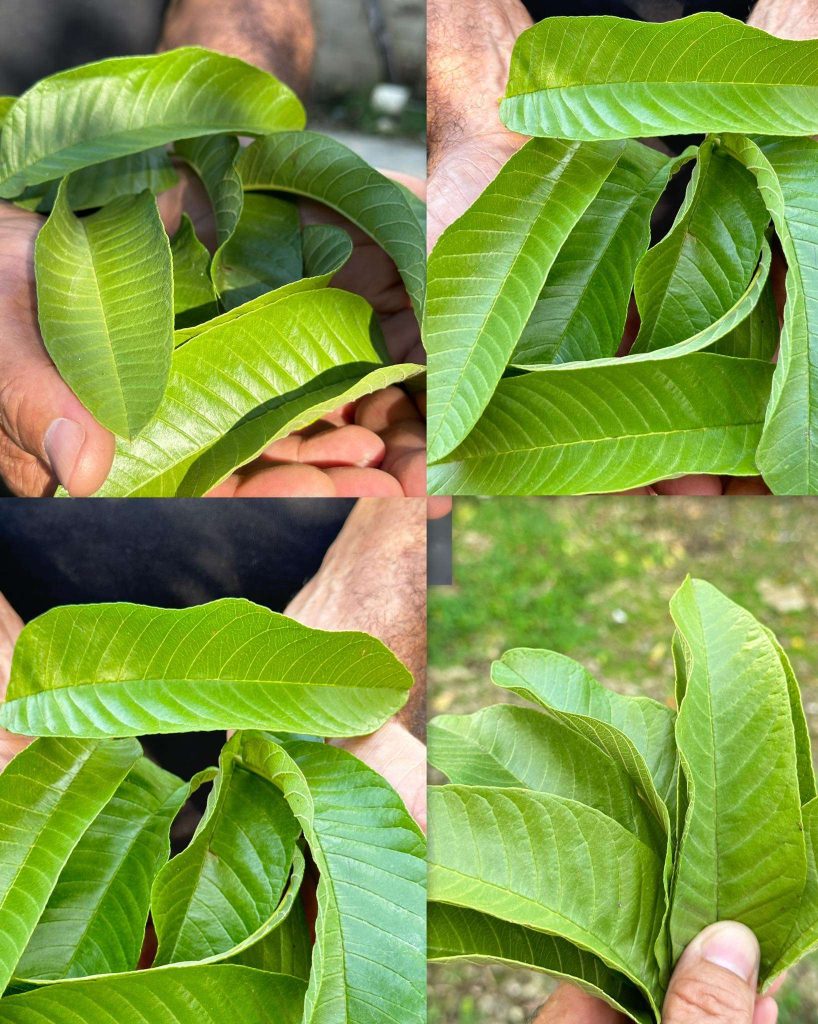
When you think of guava, your mind likely goes to the sweet, tropical fruit enjoyed fresh or in juices. However, the leaves of the guava tree (Psidium guajava) are a hidden gem in the world of natural wellness. For centuries, traditional medicine systems across Asia, Africa, and Latin America have used guava leaves to treat a wide range of ailments. Today, modern science is catching up, confirming what ancient healers already knew: guava leaves are packed with powerful antioxidants, anti-inflammatory compounds, and antimicrobial properties. In this article, we will explore the top benefits of guava leaves, how to use them safely, and why you should consider adding them to your daily health routine.
🍃 Rich in Antioxidants and Anti-Inflammatory Compounds
Guava leaves are loaded with polyphenols, flavonoids, and tannins—potent antioxidants that help neutralize harmful free radicals in the body. Free radicals are unstable molecules that can cause oxidative stress, leading to chronic diseases such as cancer, heart disease, and premature aging. A study published in the Journal of Medicinal Food found that guava leaf extract exhibits strong free radical scavenging activity, often surpassing that of many commercial antioxidants. Moreover, the leaves contain quercetin and other flavonoids that reduce inflammation by inhibiting the production of pro-inflammatory cytokines. This makes guava leaf tea an excellent natural remedy for conditions like arthritis, gout, and inflammatory bowel diseases.
💡 Practical tip: Steep 5–7 fresh or dried guava leaves in a cup of hot water for 5–10 minutes. Drink this tea once daily to support your body's antioxidant defenses.
🦠 Powerful Antibacterial and Antiviral Properties
One of the most well-documented benefits of guava leaves is their ability to fight harmful microorganisms. The leaves contain essential oils such as cineole, eugenol, and pinene, which have demonstrated strong antibacterial activity against a wide range of bacteria, including Staphylococcus aureus, Escherichia coli, and Salmonella typhi. Additionally, guava leaf extracts have shown effectiveness against viruses like influenza and herpes simplex. This makes guava leaves a valuable natural ally for preventing and treating infections, especially those affecting the mouth, throat, and digestive tract.
💡 Practical tip: Chew a few fresh guava leaves to soothe a sore throat or mouth ulcers. You can also prepare a mouthwash by boiling leaves in water, cooling, and rinsing your mouth twice daily.
🩸 Helps Manage Blood Sugar Levels (Anti-Diabetic Effect)
For individuals with diabetes or prediabetes, guava leaves may offer significant support. Research has shown that guava leaf extract can inhibit the activity of alpha-glucosidase enzymes, which are responsible for breaking down carbohydrates into simple sugars. By slowing down this process, guava leaves help prevent sharp spikes in blood glucose after meals. A clinical trial conducted on people with type 2 diabetes found that consuming guava leaf tea after meals led to a significant reduction in postprandial blood sugar levels compared to a placebo. Furthermore, the leaves may improve insulin sensitivity and reduce insulin resistance over time.
💡 Practical tip: Drink a cup of guava leaf tea about 30 minutes after your main meals. Always consult your healthcare provider before making changes if you are already on diabetes medication.
💩 Supports Digestive Health and Relieves Diarrhea
Guava leaves have been a trusted remedy for diarrhea and other digestive issues for generations. The leaves contain astringent compounds such as tannins that help tighten and contract the intestinal lining, reducing the frequency of loose stools. Additionally, their antimicrobial properties help eliminate the pathogens that often cause infectious diarrhea. A study in the Journal of Ethnopharmacology confirmed that guava leaf extract significantly reduces the duration and severity of watery stools. Beyond acute diarrhea, guava leaves can also help with irritable bowel syndrome (IBS) and indigestion by reducing inflammation and promoting the growth of beneficial gut bacteria.
💡 Practical tip: For mild diarrhea, drink a strong tea made from 10–12 guava leaves boiled in 2 cups of water until reduced to 1 cup. Sip slowly throughout the day. Avoid overuse as it may cause constipation.
❤️ Promotes Heart Health and Lowers Cholesterol
Cardiovascular disease remains the leading cause of death worldwide, and lifestyle changes including diet play a crucial role in prevention. Guava leaves can be a heart-friendly addition to your routine. Animal studies and some human trials have shown that guava leaf extract helps reduce total cholesterol, LDL ("bad" cholesterol), and triglycerides while increasing HDL ("good" cholesterol). The hypolipidemic effect is attributed to the high content of soluble fiber and antioxidants that prevent lipid peroxidation. Additionally, guava leaves have mild hypotensive properties, helping to lower blood pressure by relaxing blood vessels. This dual action makes them a promising natural supplement for overall cardiovascular wellness.
💡 Practical tip: Incorporate guava leaf tea (1–2 cups per day) as part of a heart-healthy diet rich in vegetables, whole grains, and lean proteins. Regular exercise and stress management further enhance benefits.
🧴 Topical Uses: Skin, Hair, and Wound Healing
Beyond internal consumption, guava leaves can be used topically to improve skin and hair health. The leaves' antimicrobial and anti-inflammatory properties make them effective for treating acne, pimples, and minor skin infections. You can crush fresh leaves into a paste and apply it directly to affected areas or use the cooled tea as a facial toner. For hair care, guava leaf tea can help reduce dandruff, soothe an itchy scalp, and even promote hair growth by improving blood circulation in the scalp. Moreover, studies have shown that guava leaf extract accelerates wound healing and reduces scarring when applied to cuts or abrasions.
💡 Practical tip: Prepare a strong guava leaf decoction (boil leaves in water for 15 minutes), let it cool, and use it as a final rinse after shampooing. For acne, apply the paste of crushed leaves for 15 minutes and rinse with warm water.
⚠️ How to Use Guava Leaves Safely
While guava leaves are generally safe for most people, there are a few important considerations. Pregnant and breastfeeding women should consult a healthcare provider before using guava leaf extracts, as there is insufficient research on safety during these periods. Also, because guava leaves can lower blood sugar and blood pressure, individuals on medication for diabetes or hypertension should monitor their levels closely to avoid hypoglycemia or hypotension. Overconsumption of guava leaf tea (more than 4 cups per day) may lead to digestive discomfort or constipation due to its astringent nature. Always start with a small dose to see how your body responds.
🔍 Quality matters: Use fresh, organic guava leaves when possible, or purchase dried leaves from reputable sources. Avoid leaves from trees that have been sprayed with pesticides.
🌟 Conclusion: A Simple Leaf with Extraordinary Potential
Guava leaves are far more than a byproduct of a delicious fruit. They are a versatile and affordable natural remedy backed by traditional wisdom and modern science. From fighting infections and stabilizing blood sugar to improving heart health and revitalizing skin, the benefits are extensive and applicable to everyday life. By incorporating guava leaf tea or topical applications into your wellness routine, you can harness the power of nature in a simple, sustainable way. Remember that while guava leaves can support health, they are not a substitute for professional medical advice or treatment. Use them wisely and enjoy the journey toward better health 🌱.
Start small, stay consistent, and let this humble leaf become your new wellness ally.
Deja una respuesta