Benefits of Guava Leaves
 Espanol
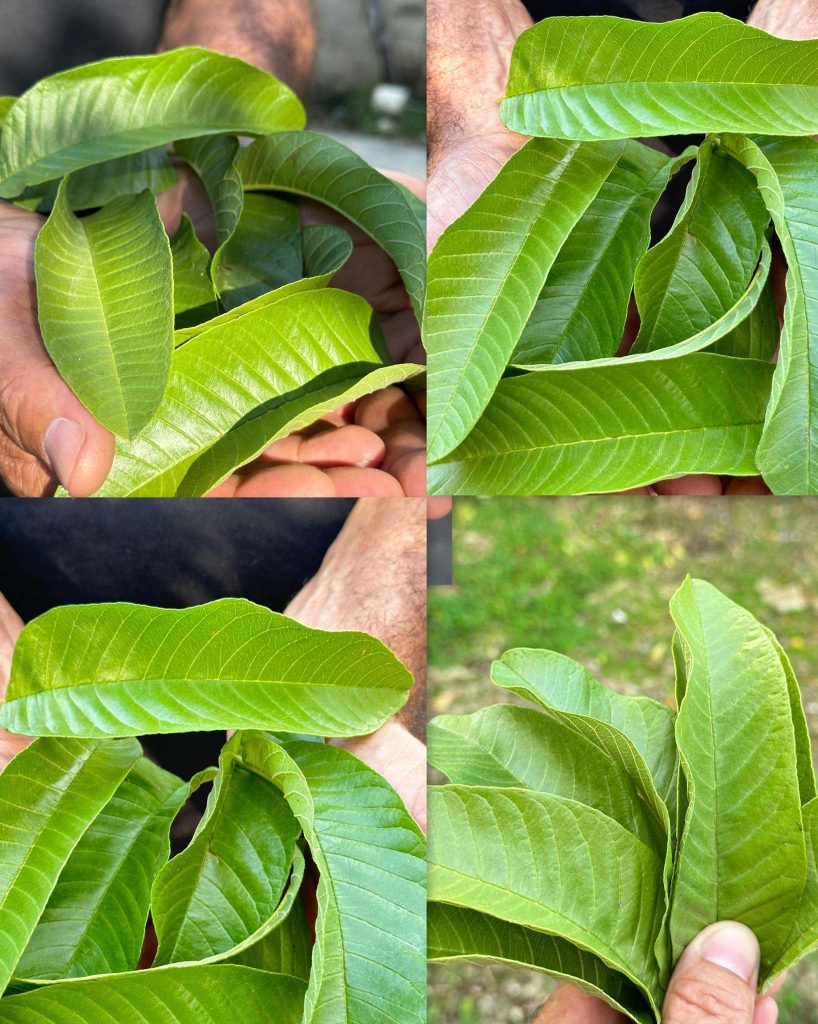
Benefits of Guava Leaves: A Natural Treasure for Health and Wellness
Espanol
🌿 When we think of guava, our minds often jump to the sweet, tropical fruit. Yet, hidden in plain sight, the leaves of the guava tree (Psidium guajava) have been used for centuries in traditional medicine across Asia, Africa, and Latin America. Packed with powerful antioxidants, antimicrobial compounds, and essential nutrients, guava leaves offer a wide range of health benefits that modern science is only beginning to fully understand. In this article, we will explore the most compelling reasons to incorporate guava leaves into your daily routine, from boosting digestion to supporting heart health. Whether you consume them as a tea, apply them topically, or use them in natural remedies, you will discover why these leaves deserve a prominent place in your wellness arsenal.
🥤 What Makes Guava Leaves So Powerful?
Guava leaves are rich in bioactive compounds, including flavonoids, tannins, saponins, and essential oils. These compounds work synergistically to provide anti-inflammatory, antibacterial, and antifungal effects. The most notable active ingredient is quercetin, a potent antioxidant that helps neutralize free radicals and reduce oxidative stress. Additionally, guava leaves contain high levels of vitamin C, vitamin B3, and fiber (when chewed). Their versatility makes them suitable for both internal and external use, offering natural solutions for common health concerns without the side effects of synthetic medications.
🔬 Scientific studies have validated many traditional uses. For example, a 2020 study published in the Journal of Ethnopharmacology confirmed that guava leaf extract significantly reduced diarrhea symptoms in children, thanks to its ability to inhibit the growth of harmful bacteria like Staphylococcus aureus and Escherichia coli. This is just one of many research-backed benefits we will dive into below.
🍃 Supports Digestive Health and Relieves Diarrhea
One of the most widely recognized benefits of guava leaves is their ability to soothe the digestive system. The leaves contain astringent compounds that reduce inflammation in the intestines and slow down bowel movements, making them an effective natural remedy for acute diarrhea. A simple guava leaf tea—made by boiling a handful of fresh or dried leaves in water for 10 minutes—can provide quick relief. For best results, drink this unsweetened tea two to three times a day until symptoms subside.
💡 Practical tip: If you suffer from chronic indigestion or bloating, consider chewing 2–3 fresh guava leaves after meals. The natural enzymes and antimicrobial properties help break down food and prevent gas buildup. Many people also report fewer episodes of constipation when using guava leaf extracts, as the fiber in the leaves supports regular bowel movements.
Remember to consult a healthcare professional if diarrhea persists for more than 48 hours, as it can lead to dehydration.
❤️ Promotes Heart Health and Lowers Cholesterol
Guava leaves are a boon for cardiovascular health. Research indicates that regular consumption of guava leaf extract can help lower LDL (bad) cholesterol and triglycerides while increasing HDL (good) cholesterol. The high antioxidant content prevents the oxidation of LDL cholesterol, a key step in the formation of arterial plaques. In a clinical study conducted on individuals with high cholesterol, those who drank guava leaf tea for 12 weeks experienced a significant reduction in blood pressure and total cholesterol levels.
🍵 To support your heart, try incorporating guava leaf tea into your morning routine. Use one teaspoon of crushed dried leaves per cup of hot water, steep for 5–7 minutes, and strain before drinking. For added flavor, you can mix it with a slice of lemon or a dash of cinnamon. Always opt for organic leaves when possible to avoid pesticide residues.
Remember that although guava leaves are helpful, they should complement—not replace—a balanced diet, regular exercise, and prescribed medications.
🦷 Strengthens Oral Health and Fights Gum Disease
Thanks to their powerful antibacterial and anti-inflammatory properties, guava leaves are a natural solution for maintaining oral hygiene. Chewing fresh guava leaves or using a mouthwash made from the leaf decoction can reduce plaque buildup, fight gingivitis, and prevent toothaches. The leaves contain compounds that inhibit the growth of bacteria responsible for cavities and bad breath.
🧴 How to make a guava leaf mouthwash: Boil a handful of fresh leaves in two cups of water for 15 minutes, let it cool, and use it as a rinse after brushing. Do this twice daily. Many users report a noticeable reduction in gum inflammation within a week. This is especially beneficial for people who experience sensitive gums or are looking for a natural alternative to chemical mouthwashes.
For persistent oral issues like bleeding gums, consult your dentist to rule out underlying conditions.
🩸 Manages Blood Sugar Levels for Diabetics
Guava leaves have shown promise in helping control blood glucose levels, making them valuable for individuals with type 2 diabetes or prediabetes. The leaves inhibit the activity of alpha-glucosidase, an enzyme that breaks down carbohydrates into sugars, thereby slowing the absorption of glucose after meals. Furthermore, guava leaves improve insulin sensitivity and reduce oxidative stress, which is often elevated in diabetic patients.
📊 In a 2019 study, participants who consumed guava leaf tea for 8 weeks experienced a 10% reduction in fasting blood sugar levels and a significant improvement in HbA1c readings. The recommended intake is one cup of guava leaf tea in the morning, preferably before breakfast. However, diabetics should monitor their blood sugar closely when adding any new herbal remedy, as it may interact with medications like metformin.
Always consult your doctor before making dietary changes, especially if you are on insulin or other blood sugar-lowering drugs.
🌞 Boosts Skin Health and Fights Acne
The antimicrobial and astringent properties of guava leaves extend to skin care. Applying a paste of crushed guava leaves or a cooled tea directly to blemishes can reduce acne breakouts, calm inflammation, and speed up healing. The leaves’ high vitamin C content also promotes collagen production, helping to maintain firm, youthful skin.
🧖♀️ Simple mask recipe: Grind a handful of fresh guava leaves with a little water to form a smooth paste. Apply it to clean skin, leave on for 15 minutes, and rinse with lukewarm water. Repeat twice a week. This can help shrink large pores and prevent future breakouts. For a quick spot treatment, dab cooled guava leaf tea onto pimples using a cotton ball.
Remember to do a patch test before applying any new remedy to your face, as natural ingredients can still cause irritation in sensitive individuals.
🧠 Enhances Brain Function and Reduces Stress
Emerging research suggests that guava leaves may have neuroprotective effects. The antioxidants in the leaves, particularly quercetin and lycopene, help reduce neuroinflammation and protect neurons from oxidative damage. This could potentially lower the risk of age-related cognitive decline, such as Alzheimer’s disease. Additionally, guava leaf tea has mild sedative properties, making it a natural stress reliever when consumed before bed.
😌 To promote better sleep and mental clarity, brew a cup of guava leaf tea in the evening. The calming effect, combined with the absence of caffeine, creates a relaxing ritual that signals your body to wind down. Regular consumption may also help improve concentration and memory over time, though more human studies are needed.
If you are dealing with chronic stress or anxiety, consider pairing guava leaf tea with mindfulness practices like meditation or deep breathing.
⚖️ Aids Weight Management and Metabolism
Guava leaves can support weight loss efforts in several ways. First, their fiber content promotes a feeling of fullness, reducing overall calorie intake. Second, the leaves have been shown to increase metabolism and prevent the conversion of complex carbohydrates into sugars that get stored as fat. Drinking guava leaf tea before meals can help curb cravings and stabilize blood sugar, preventing energy crashes that lead to overeating.
🥗 Practical integration: Replace sugary beverages with unsweetened guava leaf tea. You can also add a few leaves to your morning smoothie for an extra nutrient boost. While not a magic bullet, incorporating guava leaves into a balanced diet and exercise regimen can accelerate progress toward your weight goals.
For best results, maintain a calorie deficit and prioritize whole foods over processed items.
🍃 How to Choose and Prepare Guava Leaves
You can find guava leaves at many Asian grocery stores, herbal shops, or online retailers. Organic, pesticide-free leaves are preferred, especially for internal use. If you have access to a guava tree, harvest young, green leaves for the strongest medicinal action. Dried leaves have a longer shelf life but retain most beneficial compounds if stored in an airtight container away from light.
Here are three easy ways to use guava leaves:
- Tea: Boil 5–10 fresh leaves (or 1 tablespoon dried leaves) in 2 cups of water for 10 minutes. Strain and drink warm. You can store leftovers in the fridge for up to 24 hours.
- Chewing: Chew 2–3 clean fresh leaves after meals for digestive aid. Spit out the pulp after extracting the juice.
- Topical paste: Grind leaves with a little water and apply to skin issues like acne, insect bites, or minor wounds.
⚠️ Caution: Guava leaves are generally safe but should be used in moderation. Pregnant or breastfeeding women, and individuals with liver or kidney conditions, should consult a healthcare provider before consuming large amounts. Do not use guava leaves as a sole treatment for serious medical conditions.
📝 Conclusion: Embrace the Power of Guava Leaves
From soothing digestive troubles and protecting your heart to clear skin and sharper mind, guava leaves are a versatile and inexpensive natural remedy that deserves a place in your daily wellness routine. Their science-backed benefits, combined with centuries of traditional use, make them a reliable ally for both prevention and relief. 🍃
Start small: brew a cup of guava leaf tea tomorrow morning and notice how you feel. Listen to your body, and remember that consistency is key. Whether you add them to your diet, your skincare regimen, or your oral hygiene practices, these humble leaves can deliver remarkable results. Share this knowledge with friends and family—because sometimes the best health secrets are growing right in your backyard.
Have you tried guava leaves? What benefits have you noticed? Let us know in the comments below!
Deja una respuesta