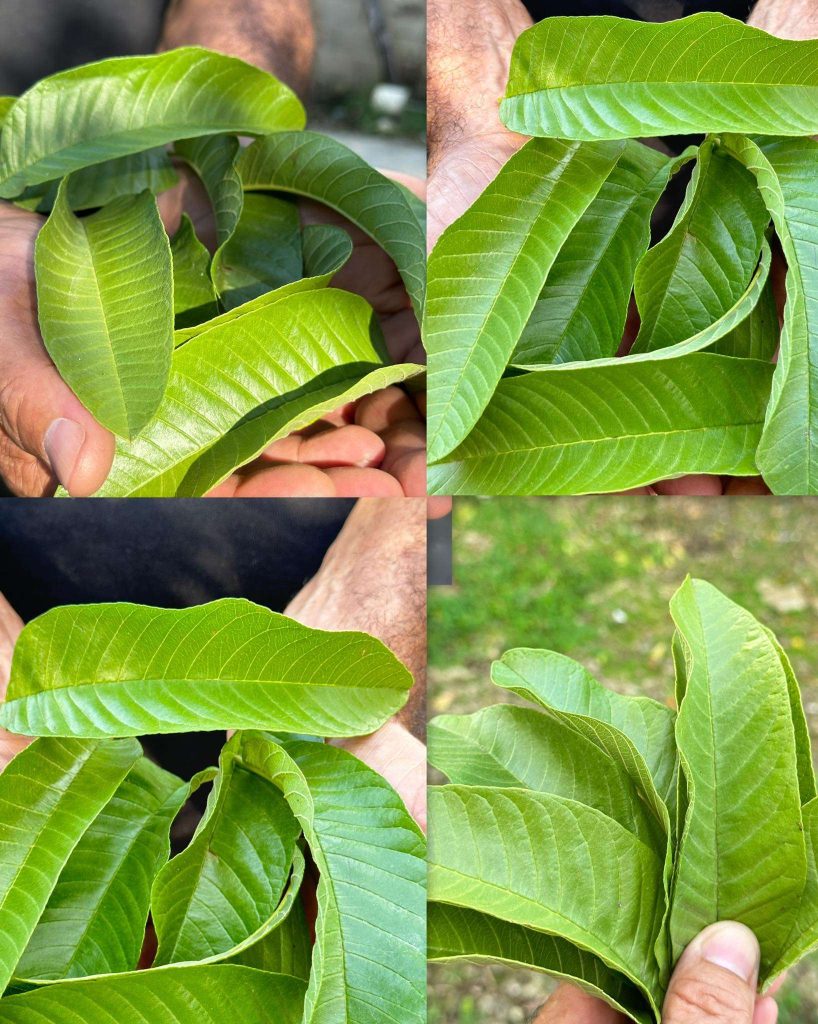
BENEFITS OF GUAVA LEAVES
 Espanol
Introduction: Why Guava Leaves Deserve a Place in Your Wellness Routine 🌿
Espanol
When most people think of guava, their minds immediately go to the sweet, fragrant fruit. Yet the humble guava leaf is a powerhouse of natural compounds that has been used for centuries in traditional medicine across Asia, Latin America, and the Caribbean. Modern research is now catching up, revealing impressive benefits ranging from digestive support to blood sugar regulation. In this article, we will explore the science-backed advantages of guava leaves, how to use them safely, and practical tips to incorporate them into your daily life. Whether you are looking for a natural remedy for stomach issues, skin care, or metabolic health, guava leaves might be the simple, affordable solution you have been missing.
🌱 Nutrient Profile: What Makes Guava Leaves So Powerful?
Guava leaves are rich in antioxidants, including flavonoids like quercetin, and polyphenols such as gallic acid and catechin. They also contain vitamin C, tannins, and essential oils with antimicrobial properties. The leaves are particularly high in quercetin, a compound known for its anti-inflammatory and antihistamine effects. This unique combination of bioactive compounds gives guava leaves their therapeutic potential.
- Antioxidants: Help neutralize free radicals, reducing oxidative stress and cellular damage.
- Tannins: Provide astringent properties that can tighten tissues and soothe inflamed mucous membranes.
- Flavonoids: Support cardiovascular health and improve circulation.
- Essential oils: Exhibit broad-spectrum antimicrobial activity against bacteria, fungi, and viruses.
Understanding this nutrient profile is key to appreciating why guava leaves can positively affect so many aspects of health. 🌟
🍃 Digestive Health: A Natural Remedy for Diarrhea and Indigestion
One of the most well-documented uses of guava leaf extract is for diarrhea. Studies show that the astringent compounds in the leaves help reduce intestinal motility and fluid secretion, effectively easing acute diarrheal episodes. A 2015 clinical trial found that a guava leaf extract was as effective as conventional medications in reducing the duration and severity of infectious diarrhea, without notable side effects.
- For diarrhea: Steep 5-10 fresh guava leaves in boiling water for 10 minutes, strain, and drink the tea twice a day.
- For indigestion and bloating: Chew a few clean fresh leaves or drink a mild decoction after meals to stimulate digestion and reduce gas.
- For stomach ulcers: The anti-inflammatory and antibacterial properties may help reduce H. pylori activity and soothe gastric lining.
Important note: Always consult your healthcare provider before using any herbal remedy for serious digestive conditions. Guava leaf tea is generally safe, but excessive consumption can cause constipation due to its high tannin content. 🌿
🩸 Blood Sugar Management: A Promising Support for Diabetes
Guava leaves have gained attention for their potential role in managing blood sugar levels. Research indicates that compounds like quercetin and other flavonoids can inhibit alpha-glucosidase and alpha-amylase enzymes, slowing the absorption of carbohydrates after a meal. A 2018 study observed that participants who consumed guava leaf tea experienced significant reductions in postprandial blood glucose compared to a control group.
- How to use: Drink 1-2 cups of guava leaf tea daily, preferably 30 minutes before meals.
- Dried leaves vs. fresh: Both work, but dried leaves (available in tea bags or loose) have a more concentrated effect.
- Caution: If you are on diabetic medication, monitor your blood sugar closely, as guava leaves may potentiate the effects and cause hypoglycemia.
Remember, guava leaves are a complementary approach, not a replacement for medical treatment. Always work with your doctor to adjust any medication or lifestyle changes. 📉🍵
💧 Heart Health: Lowering Cholesterol and Blood Pressure
Consuming guava leaf extract may positively affect cardiovascular risk factors. Animal studies and small human trials have shown that regular intake can reduce total cholesterol and LDL (bad cholesterol) while increasing HDL (good cholesterol). The antioxidant quercetin helps relax blood vessels, potentially lowering blood pressure. Additionally, the leaves contain potassium, which supports healthy heart muscle function.
- Tea recipe: Boil a handful of washed guava leaves in 4 cups of water until reduced by half. Drink one cup in the morning and one in the evening.
- Powder form: You can also dry and grind the leaves into a powder and add a teaspoon to smoothies or warm water.
- Consistency is key: Like many natural remedies, benefits accumulate over weeks of regular use.
Pair this with a diet rich in whole foods, regular exercise, and stress management for optimal heart health. ❤️
🧬 Anti-Inflammatory and Pain Relief: From Arthritis to Sore Throats
The anti-inflammatory properties of guava leaves come primarily from quercetin and other flavonoids that inhibit pro-inflammatory cytokines. This makes them useful for reducing joint pain in arthritis, soothing muscle soreness, and even calming sore throats when used as a gargle. A 2019 review highlighted that topical application of guava leaf extract can reduce swelling and speed healing of inflammatory skin conditions.
- For sore throat: Gargle with warm guava leaf tea (add a pinch of salt) three times daily.
- For muscle or joint pain: Apply a poultice of crushed fresh leaves directly on the affected area for 15-20 minutes.
- For mouth ulcers: Chew a clean leaf gently or rinse with the tea to reduce inflammation and kill bacteria.
While not a substitute for medical treatment, guava leaves offer a gentle, natural way to manage mild to moderate inflammation. 🌿🩹
🧼 Skin and Hair: Natural Beauty from Within and Without
Guava leaves are a treasure trove for skincare. Their antimicrobial and astringent properties help treat acne, reduce excess oil, and tighten pores. The antioxidants also fight premature aging by protecting skin cells from UV damage. For hair, a rinse made from boiled guava leaves can strengthen roots, reduce dandruff, and add shine.
- Acne treatment: Crush fresh leaves into a paste, apply to affected areas, leave for 15 minutes, then rinse with cool water.
- Face toner: Brew strong tea, let it cool, and apply with a cotton pad morning and evening.
- Hair rinse: After shampooing, pour cool guava leaf tea over your hair, massage into scalp, and leave for 5 minutes before rinsing with water.
These simple rituals can enhance your beauty routine without harsh chemicals. 🌸✨
☕ How to Prepare Guava Leaf Tea: A Step-by-Step Guide
To get the most out of guava leaves, proper preparation is essential. Here is a straightforward method:
- Wash 8-10 fresh guava leaves thoroughly (or use 1 tablespoon of dried leaves).
- Boil 3 cups of water in a pot.
- Add the leaves and let them simmer on low heat for 10-15 minutes.
- Remove from heat and cover; steep for another 10 minutes.
- Strain the liquid into a teapot or cup.
- Optional: Add a squeeze of lemon or a teaspoon of honey for taste.
Tip: You can store leftover tea in the refrigerator for up to 48 hours. Drink it cold or reheat gently. Avoid boiling again to preserve delicate antioxidants. 🍵
⚠️ Safety, Side Effects, and Precautions
While guava leaves are generally safe when consumed as tea or food, some precautions are necessary:
- Pregnancy and breastfeeding: Limited data is available; consult your doctor before using concentrated extracts.
- Excessive consumption: High doses of tannins can cause digestive upset or constipation. Stick to 2-3 cups of tea per day.
- Drug interactions: Guava leaves may enhance the effects of diabetes medications and blood thinners. If you take prescription drugs, speak with a healthcare professional.
- Allergies: Those allergic to guava fruit or related plants (e.g., eucalyptus, cloves) should avoid the leaves.
- Children: Use in moderation; a weaker tea (half the leaves) is recommended for young kids.
Always start with a small amount to see how your body responds. Nature is powerful, but it requires respect and informed use. 🛡️
🔬 Scientific Research and Future Potential
Beyond these established benefits, ongoing studies are exploring guava leaves for antimicrobial resistance, cancer cell inhibition, and even as a natural preservative for food. A 2021 study published in the Journal of Ethnopharmacology showed that guava leaf extracts could inhibit the growth of drug-resistant bacteria like Staphylococcus aureus. Researchers are also investigating its potential in supporting weight loss by reducing fat absorption and appetite. While many findings are still preliminary, the future looks bright for this unassuming leaf. 🌿🔬
💡 Conclusion: A Simple Leaf with Remarkable Potential
Guava leaves are far more than garden waste. Packed with antioxidants, anti-inflammatory compounds, and antimicrobial agents, they offer a safe, affordable, and accessible way to support digestion, blood sugar control, heart health, skin, and more. Whether you grow a guava tree in your backyard or purchase dried leaves online, incorporating this herbal remedy into your routine can be a gentle yet effective step toward better wellness.
Let's recap the key takeaways:
- ✅ Guava leaves can help manage diarrhea and indigestion.
- ✅ They may lower post-meal blood sugar spikes.
- ✅ They support cardiovascular health by improving cholesterol levels.
- ✅ Their anti-inflammatory properties ease pain and skin issues.
- ✅ Always use in moderation and consult a professional if you have underlying conditions.
As with any natural remedy, consistency and quality matter. Choose organic leaves when possible, and listen to your body. The wisdom of traditional medicine is now backed by modern science – and it starts in your own backyard. 🌿💚
Disclaimer: This article is for informational purposes only and does not constitute medical advice. Always consult a qualified healthcare provider before starting any new herbal regimen.
Deja una respuesta