BENEFITS OF GUAVA LEAVES
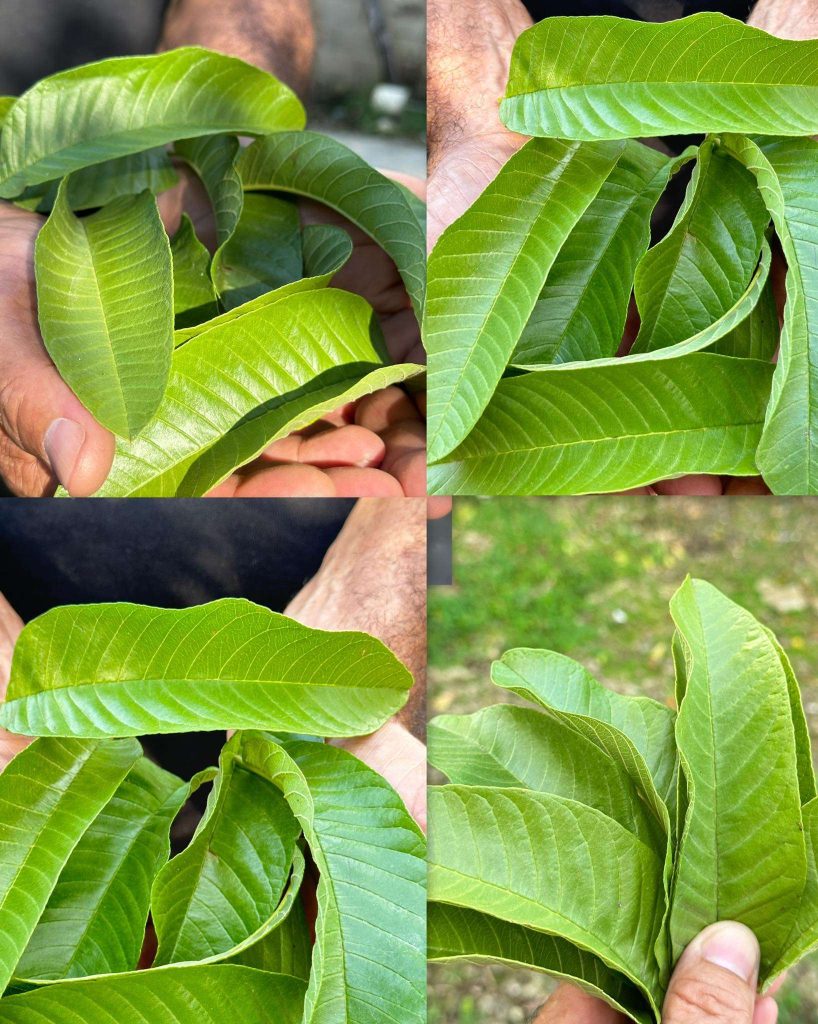
 Espanol
BENEFITS OF GUAVA LEAVES: A COMPREHENSIVE GUIDE TO NATURAL WELLNESS
Espanol
🌿 Introduction
Guava leaves are far more than just the green foliage of a tropical fruit tree. For centuries, they have been a cornerstone of traditional medicine across Asia, Africa, and Latin America. Today, modern science is catching up, validating many of the health benefits that grandmothers and herbalists have known all along. This article dives deep into the powerful properties of guava leaves — from digestive health and blood sugar control to hair care and oral hygiene. Whether you are a health enthusiast or simply curious about natural remedies, this guide will provide you with practical, evidence‑based insights to incorporate guava leaves into your daily routine. Let’s explore how this humble leaf can transform your well‑being. 🌱
🍃 What Makes Guava Leaves So Powerful?
Guava leaves are packed with bioactive compounds such as flavonoids, tannins, eugenol, and essential oils. These substances give the leaves their antioxidant, anti‑inflammatory, and antimicrobial properties. Unlike the fruit, which is sweet and juicy, the leaves have a bitter, astringent taste — but that bitterness is a sign of their medicinal potency. The key components include:
- Quercetin – a flavonoid with strong antioxidant and anti‑inflammatory effects.
- Avicularin – helps reduce blood sugar spikes.
- Gallic acid – supports gut health and fights harmful bacteria.
- Vitamin C – boosts immunity and skin health.
These compounds work synergistically to create a natural remedy that is both safe and effective when used correctly. 🌿
🩺 Digestive Health: Your Gut’s Best Friend
One of the most celebrated uses of guava leaves is for digestive issues. A simple tea made from dried or fresh leaves can relieve diarrhea, indigestion, and stomach cramps. The astringent properties tighten the intestinal lining, reducing fluid loss and calming inflammation. Research shows that guava leaf extract inhibits the growth of harmful bacteria like Staphylococcus aureus and E. coli, while promoting beneficial gut flora.
Practical tip: Boil 5–6 fresh guava leaves in 2 cups of water for 10 minutes. Strain, let it cool, and drink up to 2 cups daily for mild digestive discomfort. For best results, use it before meals to stimulate digestion. 🍵
🩸 Blood Sugar Regulation: A Natural Ally for Diabetics
Guava leaves are gaining attention as a natural adjunct to diabetes management. Studies indicate that compounds in the leaves inhibit the absorption of sucrose and maltose in the intestines, preventing sharp glucose spikes after meals. A 2010 study published in the Journal of Clinical Biochemistry and Nutrition found that participants who consumed guava leaf tea experienced a significant reduction in post‑meal blood sugar levels.
- ✅ How to use: Steep 2 teaspoons of dried guava leaf powder in hot water for 15 minutes. Drink once daily alongside your regular medication (always consult your doctor first).
- ⚠️ Caution: Overconsumption may lead to hypoglycemia. Start with small amounts and monitor your levels.
Remember, guava leaves are a supplement, not a replacement for medical treatment. 🩺
🦷 Oral Hygiene: Nature’s Mouthwash
Chewing on guava leaves or using a mouthwash made from the leaves can fight bad breath, gum inflammation, and tooth decay. The antimicrobial action of tannins and flavonoids reduces plaque‑forming bacteria, while the anti‑inflammatory properties soothe swollen gums. Many commercial toothpastes in Southeast Asia already include guava leaf extract.
DIY guava leaf mouthwash: Crush 3–4 fresh leaves and steep in hot water for 20 minutes. Use the cooled liquid to gargle twice a day. Avoid swallowing. The result? Fresher breath and healthier gums – naturally. 🌿
💆 Hair and Scalp Care: Strengthen from the Roots
Guava leaves can transform your hair care routine. Rich in vitamin C and antioxidants, they prevent hair thinning and dandruff. The leaves’ antimicrobial properties keep the scalp free from infections that cause itchiness and flaking. To make a hair tonic:
- Boil a handful of guava leaves in 3 cups of water until reduced by half.
- Let it cool, then massage the liquid into your scalp and hair.
- Leave it for 20 minutes, then rinse with a mild shampoo.
Regular use (2–3 times a week) can promote stronger, shinier hair and reduce breakage. Perfect for those with oily or sensitive scalps! ✨
🧴 Skin Health: Acne Fighter and Anti‑Aging Remedy
The antioxidant power of guava leaves helps combat free radicals that cause premature aging and acne breakouts. Applying a paste of crushed guava leaves directly onto pimples can reduce redness and swelling within hours. The leaves also contain lycopene, a pigment that protects skin from UV damage.
Face mask recipe: Grind 5 fresh guava leaves into a paste, mix with 1 teaspoon of honey, and apply to your face for 15 minutes. Wash off with lukewarm water. This gentle mask unclogs pores and leaves your skin feeling refreshed and radiant. 🌸
🧪 Scientific Backing: What Studies Say
Modern research continues to confirm traditional uses. A 2021 review in Molecules highlighted guava leaves’ potential in managing diabetes, inflammation, and oxidative stress. Another study from Japan demonstrated that guava leaf tea improved insulin sensitivity in pre‑diabetic individuals. While more human trials are needed, the existing evidence supports the leaves’ role as a functional food with therapeutic benefits.
Here’s a quick snapshot of key findings:
- Antioxidant capacity: Comparable to green tea.
- Antimicrobial activity: Effective against 10 different bacterial strains.
- Anti‑diabetic effect: Reduces blood sugar by up to 20% in animal models.
These findings make guava leaves a credible natural supplement — not just folklore. 🔬
⚠️ Precautions and How to Use Safely
While guava leaves are generally safe, moderation is key. Excessive consumption of guava leaf tea can cause constipation due to its astringency. Pregnant and breastfeeding women should consult a healthcare provider before use. Additionally, if you are on medication for diabetes or hypertension, monitor your levels closely as the leaves may enhance drug effects.
Recommended forms of guava leaves:
- ✅ Fresh leaves for tea or poultices.
- ✅ Dried leaves (store in an airtight container away from sunlight).
- ✅ Organic guava leaf supplements (capsules or tinctures).
Avoid using leaves that have been sprayed with pesticides. Always wash thoroughly. Your safety comes first! 🌱
🌟 Conclusion: Your Path to Natural Wellness
Guava leaves are a versatile, affordable, and scientifically supported natural remedy. From soothing your digestive system to brightening your skin and strengthening your hair, this single plant part offers a surprising range of benefits. By integrating guava leaf tea, mouthwash, or topical applications into your routine, you tap into centuries of traditional wisdom backed by modern research.
Remember: Consistency and proper dosage are essential. Start small, observe how your body responds, and enjoy the journey toward a healthier, more balanced life. Whether you brew a cup of tea or apply a leaf paste, you’re investing in your wellness naturally.
💚 Embrace the power of guava leaves – your body will thank you.
Deja una respuesta