BENEFITS OF GUAVA LEAVES
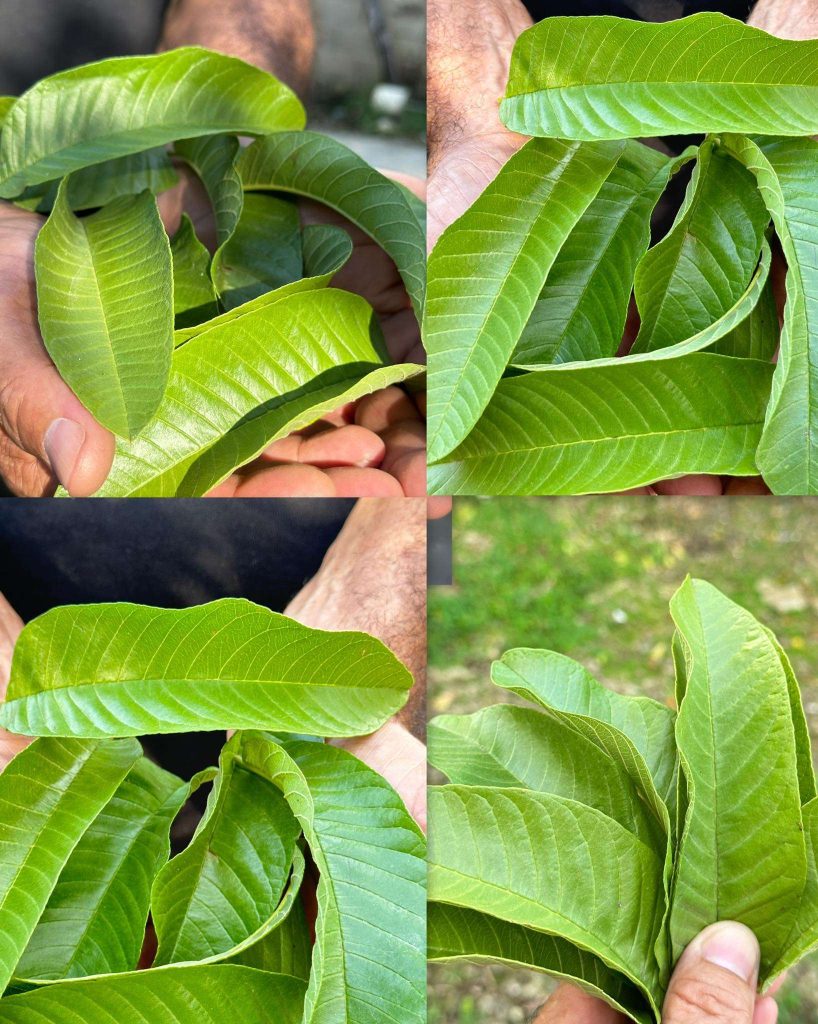
Benefits of Guava Leaves: Nature's Hidden Treasure for Health and Wellness 🌿
 Espanol
When we think of guava, we usually picture the sweet, aromatic fruit. However, the leaves of the guava tree (Psidium guajava) have been used for centuries in traditional medicine across Asia, Africa, and Latin America. Packed with powerful bioactive compounds, guava leaves offer a surprising range of health benefits—from supporting digestion to managing blood sugar levels. In this article, we explore the science-backed advantages of guava leaves, how to use them safely, and practical tips to incorporate them into your daily routine. Whether you are a wellness enthusiast or simply curious about natural remedies, this guide will help you unlock the full potential of this humble leaf. 🌱
Espanol
Nutritional Profile and Active Compounds 🧪
Guava leaves are a rich source of antioxidants, including flavonoids (such as quercetin), tannins, and polyphenols. These compounds combat oxidative stress and inflammation, which are linked to chronic diseases. Additionally, the leaves contain essential vitamins like vitamin C and B vitamins, along with minerals such as calcium, potassium, and magnesium. The presence of essential oils with antimicrobial properties further enhances their therapeutic value. This unique combination makes guava leaves a potent natural remedy with multiple health applications.
- Flavonoids: Protect cells from damage and support immune function.
- Tannins: Astringent properties that aid in digestive health and wound healing.
- Vitamin C: Boosts collagen production and strengthens the immune system.
By understanding these components, you can appreciate why guava leaf tea and extracts are gaining popularity in modern wellness circles. 🍃
Digestive Health: A Natural Soother for the Gut 🩺
One of the most well-documented traditional uses of guava leaves is for treating digestive disorders. Research indicates that the tannins and flavonoids in guava leaves can help alleviate diarrhea by reducing intestinal motility and inhibiting the growth of harmful bacteria like E. coli and Staphylococcus aureus. A study published in the Journal of Ethnopharmacology found that guava leaf extract significantly reduced the frequency and duration of diarrhea in participants.
Moreover, the leaves possess anti-inflammatory properties that soothe irritated intestinal linings, making them beneficial for conditions like gastritis and irritable bowel syndrome (IBS). To use, simply steep a handful of fresh or dried guava leaves in hot water for 10 minutes and drink the tea up to twice daily. Remember: if symptoms persist, consult a healthcare professional. 🫖
Blood Sugar Regulation and Diabetes Management 🩸
Guava leaves are emerging as a valuable aid for blood sugar control. Animal and human studies suggest that compounds in the leaves inhibit the absorption of sucrose and maltose, leading to a slower rise in blood glucose after meals. A 2010 study in Nutrition and Metabolism showed that participants who consumed guava leaf tea experienced a significant reduction in post-meal blood sugar levels compared to a placebo group.
For those managing type 2 diabetes or pre-diabetes, incorporating guava leaf tea into your daily routine could be a complementary strategy alongside medication and lifestyle changes. However, always monitor your glucose levels and consult your doctor before adding any herbal remedy to your regimen. ⚖️
Heart Health and Cholesterol Reduction ❤️
Cardiovascular diseases remain a leading cause of death worldwide, and guava leaves may offer protective benefits. Studies indicate that the antioxidants in guava leaves help lower LDL (bad) cholesterol while increasing HDL (good) cholesterol. They also improve blood pressure regulation by relaxing blood vessels, thanks to their potassium content and anti-inflammatory effects.
A 2016 clinical trial involving 120 participants found that those who drank guava leaf tea for 12 weeks experienced a 10% reduction in total cholesterol and a 15% decrease in triglycerides. These results highlight the potential of guava leaves as a natural support for heart health. Pair your tea with a balanced diet and regular exercise for optimal results. 🏃♂️
Anti-Inflammatory and Antimicrobial Power 🌿⚡
Chronic inflammation is a root cause of many health issues, from arthritis to skin conditions. Guava leaves contain quercetin and other anti-inflammatory compounds that can help reduce swelling, pain, and redness. For example, applying a paste of crushed guava leaves directly to acne or minor wounds may accelerate healing and prevent infection due to their antibacterial and antifungal properties.
Additionally, guava leaf extract has shown effectiveness against oral pathogens responsible for cavities and gum disease. Using a guava leaf mouthwash (boil leaves in water, cool, and gargle) can support oral hygiene naturally. Studies have even found guava leaf extract to be more effective against some bacteria than conventional mouthwashes, without the harsh chemicals. 🦷
Skin and Hair Care: Beauty from the Inside Out 💆♀️
The antioxidants and vitamins in guava leaves are not only good for your internal health but also for your skin and hair. The leaves' astringent properties help tighten pores, reduce excess oil, and treat acne. You can create a simple toner by boiling guava leaves, straining the liquid, and applying it to your face with a cotton ball after cooling.
For hair, guava leaf tea can be used as a final rinse after shampooing. The nutrients strengthen hair follicles, reduce dandruff, and add shine. Some anecdotal reports even suggest that regular use may slow premature graying. Remember to patch-test any topical application to avoid allergic reactions. 🌸
How to Use Guava Leaves Safely and Effectively 🛡️
There are several ways to incorporate guava leaves into your wellness routine. Here are the most common methods:
- Guava Leaf Tea: Steep 5-10 fresh leaves (or 1-2 tablespoons of dried leaves) in hot water for 5-10 minutes. Strain and drink. You can add honey or lemon for flavor.
- Leaf Extract (Tincture): Available in health stores; follow the dosage instructions on the product.
- Topical Paste: Crush fresh leaves into a paste and apply to skin issues like acne, rashes, or insect bites. Leave on for 10-15 minutes, then rinse.
- Mouthwash: Boil leaves in water, cool, and use as a gargle for gum health.
While guava leaves are generally safe, consult a healthcare provider if you are pregnant, breastfeeding, or taking prescription medications (especially for diabetes or blood pressure) to avoid potential interactions. Start with small amounts to see how your body responds. ⚠️
Conclusion: Embrace the Power of Guava Leaves 🌟
Guava leaves are far more than a byproduct of the fruit—they are a versatile natural remedy with scientifically supported benefits for digestion, blood sugar, heart health, inflammation, and beauty. By adding them to your daily regimen, you can tap into centuries of traditional wisdom backed by modern research. Whether you enjoy a soothing cup of guava leaf tea or apply a leaf paste to your skin, these simple yet powerful leaves can make a meaningful difference in your overall well-being.
Remember, natural remedies complement—not replace—professional medical advice. Use guava leaves as a proactive step toward a healthier lifestyle, and enjoy the journey of discovering nature's pharmacy. 🌍 Start your guava leaf journey today and share your experience with others! 🍃
Deja una respuesta