BENEFITS OF GUAVA LEAVES
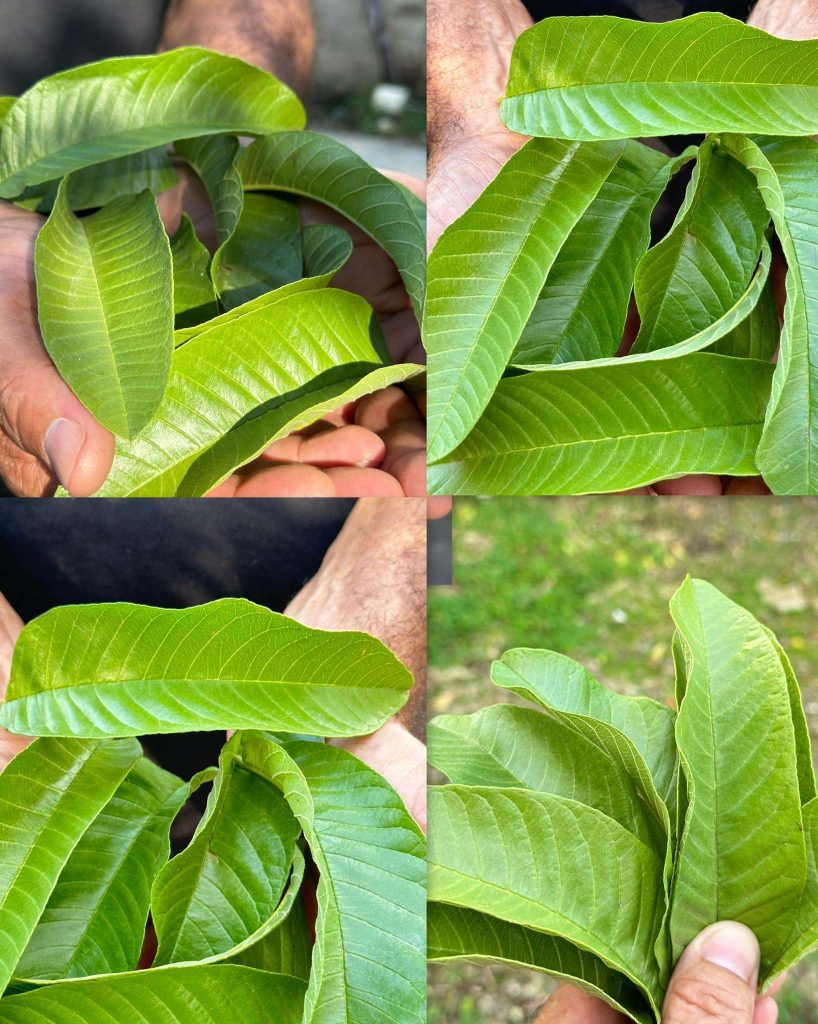
 Espanol
Introduction 🌿
Espanol
Guava leaves are far more than just a byproduct of the beloved tropical fruit. For centuries, traditional medicine systems across Asia, Africa, and Latin America have harnessed their potent healing properties. Today, modern science is catching up, revealing a wealth of benefits that range from digestive support to immune boosting. This article explores the remarkable advantages of guava leaves and provides practical tips on how to incorporate them into your daily wellness routine. Whether you are dealing with stomach discomfort, looking for a natural antimicrobial, or simply curious about herbal remedies, guava leaves offer a natural, accessible solution.
1. Powerful Digestive Aid 🍃
One of the most celebrated benefits of guava leaves is their ability to soothe the digestive system. Rich in compounds like quercetin, flavonoids, and tannins, guava leaf tea has been used for generations to relieve diarrhea, indigestion, and stomach cramps. These bioactive substances help reduce intestinal inflammation and inhibit the growth of harmful bacteria while promoting the growth of beneficial gut flora.
To prepare a simple digestive tea: steep 5–7 fresh guava leaves (or a tablespoon of dried leaves) in hot water for 10 minutes. Drink it after meals to ease bloating and promote smoother digestion. For best results, avoid adding sugar or milk, as they can interfere with the active compounds.
- Reduces diarrhea symptoms: Studies show that guava leaf extract can shorten the duration of acute diarrheal episodes.
- Alleviates nausea and vomiting: Chewing fresh leaves (or drinking the tea) can calm an upset stomach.
- Combats gastric ulcers: The antioxidant action protects the stomach lining from damage caused by excess acid or NSAIDs.
2. Natural Antimicrobial and Antiviral Defense 🛡️
Guava leaves contain a potent arsenal of antimicrobial agents, including essential oils like cineol and eugenol, as well as triterpenoids. These compounds have demonstrated activity against a wide range of pathogens, including Escherichia coli, Staphylococcus aureus, and even some viruses. This makes guava leaf preparations a valuable natural remedy for minor infections, especially in areas where access to conventional medicine is limited.
You can use guava leaf tea as a gargle for sore throats or mouth sores due to its antiseptic properties. Simply brew a strong tea and allow it to cool before rinsing your mouth. However, remember that severe infections still require professional medical attention. Guava leaves are a complementary tool, not a replacement for antibiotics.
3. Blood Sugar Regulation and Diabetes Management 📉
Emerging research suggests that guava leaves can help modulate blood glucose levels. The leaves contain compounds that inhibit the absorption of sugar in the gut and improve insulin sensitivity. A 2012 study published in Food Chemistry found that guava leaf extract significantly reduced post-meal blood sugar spikes in diabetic rats, and human trials have shown similar promise.
For those managing type 2 diabetes or prediabetes, drinking unsweetened guava leaf tea regularly may support better glycemic control. Important: If you are on diabetes medication, consult your healthcare provider before adding guava leaf supplements to your regimen, as they can amplify the effects and cause hypoglycemia.
4. Skin Health: Acne, Wounds, and Aging 🌸
Thanks to its anti‑inflammatory, antibacterial, and astringent properties, guava leaf extract is a wonderful natural skincare ingredient. When applied topically, it can reduce acne breakouts by killing the bacteria that clog pores and by calming redness. The vitamin C content also supports collagen production, which helps maintain skin elasticity and reduces fine lines.
DIY guava leaf toner: Steep a handful of leaves in boiling water for 20 minutes, strain, and allow the liquid to cool. Apply it with a cotton ball after cleansing. This gentle toner can be stored in the refrigerator for up to a week. For wound healing, crush fresh leaves into a paste and apply directly to minor cuts or scrapes—the natural antiseptic properties help prevent infection.
5. Oral Hygiene and Dental Health 😁
Chewing fresh guava leaves or using a mouthwash made from the leaf decoction is a time‑honored way to maintain oral hygiene. The astringent tannins tighten gums, while the antibacterial properties fight plaque‑causing bacteria. Studies have shown that guava leaf extract can be as effective as some commercial mouthwashes in reducing gingivitis.
To make a simple mouthwash: Boil guava leaves in water, strain, and let it cool. Swish for 30 seconds after brushing. Do not swallow the mixture. Regular use can lead to fresher breath, stronger gums, and reduced tooth sensitivity.
6. Anti‑Cancer Potential 🌿🔬
While still in early research stages, some laboratory studies suggest that guava leaf extracts may possess antiproliferative properties against certain cancer cell lines. Compounds like lycopene and vitamin C act as powerful antioxidants that neutralize free radicals, reducing oxidative stress that can lead to DNA damage. Additionally, specific flavonoids in guava leaves have been shown to induce apoptosis (programmed cell death) in prostate and breast cancer cells in test‑tube experiments.
It is crucial to understand that these findings are preliminary and do not constitute a cancer treatment. However, incorporating guava leaves into a balanced diet rich in antioxidants is a sensible preventive measure.
7. Weight Management Support ⚖️
Guava leaves can indirectly aid weight loss efforts. Their ability to regulate blood sugar helps prevent insulin spikes that trigger fat storage. Moreover, the tea has a mild diuretic effect, reducing water retention and bloating. Combined with a healthy diet and exercise, guava leaf tea can be a refreshing, low‑calorie beverage that supports metabolic health.
To maximize benefits, drink a cup half an hour before meals. The slight astringency may also help curb appetite by promoting a sense of fullness.
How to Safely Use Guava Leaves
Guava leaves are available fresh from guava trees or dried in herbal stores. Always wash fresh leaves thoroughly to remove dirt and pesticides. Here are a few common methods:
- Tea: Steep 5–7 fresh leaves (or 1 tbsp dried) in 1 cup boiling water for 5–10 minutes.
- Poultice: Crush fresh leaves into a paste and apply to skin sores or insect bites.
- Mouthwash: Use cooled tea as a daily gargle.
- Supplements: Guava leaf capsules are available but consult a professional for dosing.
Caution: Guava leaves are generally safe for most people, but those with allergies, pregnant or nursing women, and individuals on specific medications should consult a healthcare provider first. Avoid consuming large quantities of the raw leaves, as they may cause digestive discomfort.
Conclusion 🌟
Guava leaves are a humble yet powerful gift of nature. From supporting digestive health and regulating blood sugar to improving skin, oral hygiene, and even offering anticancer potential, they deserve a place in your natural wellness toolkit. The best part? They are affordable, easy to find, and versatile. Whether you brew them as a tea, use them topically, or chew them fresh, incorporating guava leaves into your routine is a simple step toward better health.
Call to action: Why not start tomorrow morning with a warm cup of guava leaf tea? Your body will thank you. Remember, natural remedies work best when combined with a balanced lifestyle. Stay curious, stay healthy! 🌱
Deja una respuesta