BENEFITS OF GUAVA LEAVES
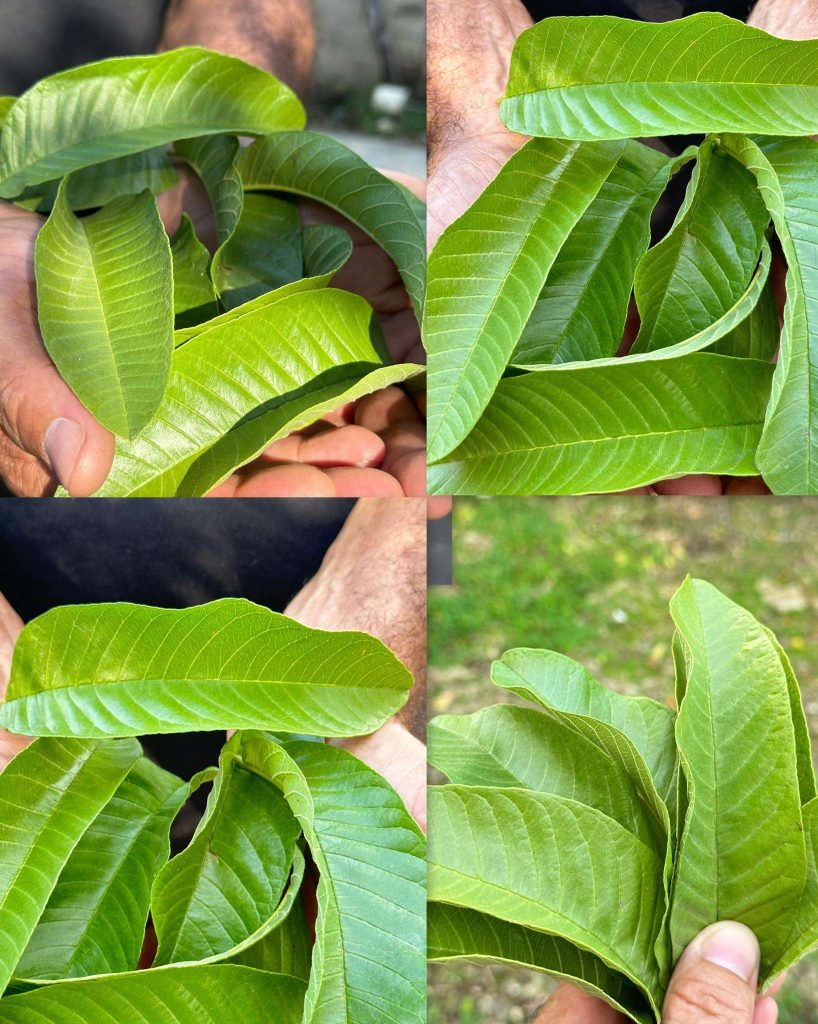
BENEFITS OF GUAVA LEAVES
 Espanol
🌿 Have you ever looked at a guava tree and only thought of its sweet, pink fruit? If so, you're missing out on one of nature's most versatile and powerful herbal allies. Guava leaves (scientifically known as Psidium guajava) have been used for centuries in traditional medicine across Asia, Africa, and Latin America. Modern research now confirms what our ancestors knew: these humble leaves are packed with antioxidants, anti‑inflammatory compounds, and antimicrobial agents. In this article, we'll explore the top benefits of guava leaves, how to use them safely, and why adding them to your daily routine could transform your health—from soothing a troubled stomach to supporting hair growth and even managing blood sugar levels. Let's dive in! 🍃
Espanol
🌱 What Makes Guava Leaves So Powerful?
Before we list the benefits, it helps to understand the science behind the green. Guava leaves are rich in flavonoids like quercetin, tannins, vitamin C, and essential oils with eugenol and cineole. These compounds give the leaves their characteristic aroma and their remarkable healing properties. For instance, quercetin is a potent antioxidant that fights free radicals, while tannins help tighten tissues and reduce inflammation. Combine this with the antibacterial action of eugenol, and you have a natural remedy that can address everything from digestive issues to skin infections. No wonder guava leaf tea is a staple in many homes! ☕
🍵 1. Digestive Health Powerhouse
The most well‑known benefit of guava leaves is their ability to calm an upset stomach. A warm cup of guava leaf tea can work wonders for diarrhoea, indigestion, and even stomach cramps. Studies have shown that the tannins in guava leaves have an astringent effect, which means they help bind excess water in the intestines and reduce the frequency of loose stools. For example, a 2012 study published in the Journal of Ethnopharmacology found that guava leaf extract significantly reduced the duration of diarrhoea in humans. 🚽✨
Practical tip: Steep 5–10 fresh or dried guava leaves in boiling water for 10 minutes, strain, and drink up to two cups a day. If you have acute diarrhoea, this can be a gentle, natural alternative to over‑the‑counter medications. Remember to stay hydrated and consult a doctor if symptoms persist.
🩸 2. Blood Sugar Regulation
Managing blood sugar levels is a daily challenge for millions, and guava leaves may offer a helping hand. Research indicates that compounds in guava leaves can inhibit the absorption of sugar in the intestines and improve insulin sensitivity. A 2013 study in Nutrition and Metabolism showed that consuming guava leaf tea before meals helped lower post‑meal blood glucose spikes in people with type 2 diabetes. 🩸📉
How to use: Brew a cup of guava leaf tea twice a day—preferably 30 minutes before meals. Avoid adding sugar or honey to keep the effect. While this is not a substitute for medication, it can be a supportive addition to a diabetic diet. Always talk to your healthcare provider before making changes.
💇♀️ 3. Hair Growth and Scalp Health
If you struggle with hair loss or a flaky scalp, guava leaves might become your new best friend. The leaves contain vitamin C and antioxidants that stimulate hair follicles and increase blood circulation to the scalp. Plus, their antibacterial properties help combat dandruff‑causing fungi. Many people use guava leaf boiled water as a hair rinse after shampooing. It leaves hair softer, shinier, and less prone to breakage. 🧴💆
Simple recipe: Boil a handful of fresh guava leaves in 2 cups of water until the water reduces by half. Let it cool, strain, and pour over your scalp after washing. Massage gently and leave it on for 10–15 minutes before rinsing with plain water. Repeat twice a week for visible results.
🧴 4. Skin Care from the Inside Out
Guava leaves are a natural remedy for acne, dark spots, and premature aging. The antioxidants fight oxidative stress that causes wrinkles, while the anti‑inflammatory properties reduce redness and swelling. You can make a simple face toner by crushing fresh leaves and mixing them with a little water, or use the cooled tea as a soothing compress for pimples. For acne‑prone skin, applying a paste of guava leaves directly to blemishes can speed up healing without harsh chemicals. 🌸🧖
Pro tip: If you have sensitive skin, do a patch test first. Use the toner only once a day to avoid over‑drying. For dark spots, mix guava leaf powder with yogurt and apply as a mask for 15 minutes twice a week.
🦷 5. Oral Health and Fresh Breath
Guava leaves have a long history in dentistry. Chewing on fresh guava leaves can help kill bacteria that cause plaque, gum disease, and bad breath. A 2015 study in the Journal of Clinical and Experimental Dentistry reported that guava leaf extract was as effective as commercial mouthwash against harmful oral bacteria. Its astringent quality also strengthens gums and soothes mouth ulcers. 😁✨
How to use: Rinse your mouth with a strong guava leaf tea after brushing, or chew 2–3 clean leaves for a few minutes. You can also make a DIY mouthwash by steeping leaves in warm water with a pinch of salt. This is especially helpful if you suffer from bleeding gums or recurrent canker sores.
🛡️ 6. Boosts Immunity and Fights Infections
Packed with vitamin C and powerful antioxidants, guava leaves give your immune system a natural boost. They also have antiviral and antibacterial properties that can help fend off colds, flu, and even urinary tract infections. Regular consumption of guava leaf tea during flu season may reduce the severity and duration of symptoms. Plus, the leaves contain quercetin, which has been studied for its ability to inhibit viral replication. 🦠❌
Note: While helpful, guava leaves are not a substitute for vaccines or prescribed antibiotics. Think of them as a supportive tonic—perfect for sipping when you feel a cold coming on or after a day of exposure to germs.
⚠️ Safety and Precautions
Guava leaves are generally safe for most people when used in moderate amounts. However, there are a few things to keep in mind:
- Pregnancy and breastfeeding: Limited studies exist, so it's best to avoid concentrated extracts or large amounts of tea. Check with your doctor first.
- Low blood pressure: Guava leaf tea may lower blood pressure; if you already have hypotension, monitor your levels.
- Constipation: Because of the tannins, drinking too much tea could worsen constipation. Start with one cup a day and see how you feel.
- Allergies: If you are allergic to guava fruit or other plants in the Myrtaceae family, avoid using the leaves.
- Drug interactions: Guava leaves may interact with diabetes or blood pressure medications. Always consult a healthcare professional before adding any herbal remedy to your routine.
🔍 When harvesting leaves, choose organic ones if possible to avoid pesticides. Wash them thoroughly before use. You can also buy dried guava leaf tea bags in health food stores or online—just check the label for purity.
🧪 How to Prepare Guava Leaf Tea (The Best Way)
Here's a step‑by‑step guide to making the perfect cup of guava leaf tea at home:
- 🌿 Collect 10–12 fresh guava leaves (or 2 tablespoons dried leaves). Rinse well.
- 🍲 Bring 2 cups of water to a boil in a small pot.
- 🍃 Add the leaves, reduce heat, and let simmer for 10 minutes.
- ⏱️ Remove from heat, cover, and steep for another 5 minutes.
- 🧂 Strain into a cup—you can add a squeeze of lemon or a drop of honey if desired (but avoid sweeteners if you're using it for blood sugar control).
- ☕ Drink warm. Store leftover tea in the fridge for up to 24 hours (reheat gently).
You can also use guava leaves in smoothies (blend fresh leaves with fruit and water), as a spice in soups, or even as a natural wrap for cooking meats (similar to banana leaves). The possibilities are wide!
🔬 What Does Science Say? (Quick Research Summary)
To give you confidence in these benefits, here are key findings from peer‑reviewed studies:
- Antidiarrheal effect: Multiple clinical trials confirm that guava leaf extract reduces stool frequency and duration (Journal of Ethnopharmacology, 2012; Asian Pacific Journal of Tropical Medicine, 2015).
- Blood sugar control: A 2019 meta‑analysis found that guava leaf tea significantly lowered fasting and postprandial glucose levels in type 2 diabetes patients (Phytomedicine, 2019).
- Antimicrobial activity: Guava leaf essential oil inhibits Staphylococcus aureus and E. coli (BMC Complementary and Alternative Medicine, 2017).
- Anti‑inflammatory: Quercetin in leaves reduces pro‑inflammatory cytokines (Journal of Inflammation, 2016).
While more human studies are always needed, the existing evidence strongly supports traditional uses. Guava leaves are not a magic bullet, but they are a valid, science‑backed complement to a healthy lifestyle.
✅ Conclusion: Your Next Step with Guava Leaves
🌍 From ancient folk medicine to modern laboratories, guava leaves have proven themselves as a multi‑purpose wellness tool. Whether you're looking to soothe a sensitive stomach, manage blood sugar naturally, improve your hair and skin, or just boost your immune system, a simple cup of guava leaf tea can make a real difference. The best part? It's affordable, accessible, and free of synthetic additives.
💡 Start small: Try drinking one cup of guava leaf tea three times a week and observe how your body responds. Pair it with a balanced diet and regular exercise for optimal results. And if you ever find yourself staring at a guava tree, remember: the fruit is just the beginning.
Take action today: Buy a small bag of dried guava leaves or pick some from a trusted source. Brew your first cup, relax, and let nature do its work. Your body will thank you. 🙌🍃
Disclaimer: This article is for informational purposes only and does not replace medical advice. Always consult a qualified healthcare provider before using any herbal remedy, especially if you have a pre‑existing condition or are taking medication.
Deja una respuesta