BENEFITS OF GUAVA LEAVES
 Espanol
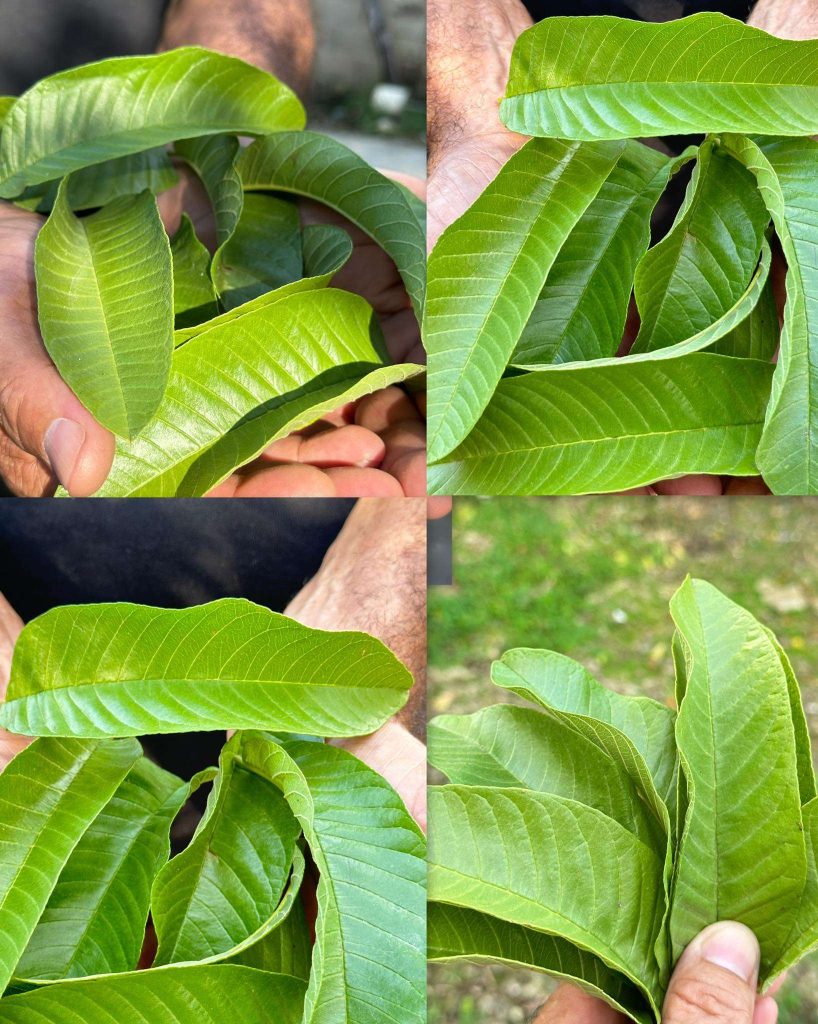
Guava leaves are far more than just a byproduct of the guava fruit tree (Psidium guajava). For centuries, they have been used in traditional medicine across Asia, Africa, and Latin America. Packed with antioxidants, anti-inflammatory compounds, and antimicrobial agents, these humble leaves offer a surprising range of health benefits. 🌿 In this article, we’ll explore the science-backed advantages of guava leaves, how to prepare them, and practical ways to incorporate them into your daily routine. Whether you’re looking to improve digestion, boost immunity, or care for your hair and skin, guava leaves might be the natural remedy you’ve been missing.
Espanol
🌱 Nutritional Profile of Guava Leaves
Guava leaves are rich in polyphenols, flavonoids, tannins, and essential oils. Key compounds like quercetin, guaijaverin, and avicularin give them potent antioxidant and anti-inflammatory properties. They also contain vitamin C, B vitamins, and minerals such as calcium, phosphorus, and iron. This combination makes guava leaves a powerful natural supplement for overall wellness. Unlike the fruit, the leaves have a more concentrated medicinal profile—especially when consumed as a tea or extract.
🍵 1. Supports Digestive Health
One of the most well‑known uses of guava leaves is for digestive issues. Studies show that guava leaf extracts can inhibit the growth of harmful bacteria like E. coli and Salmonella, while promoting the growth of beneficial gut flora. 🦠 Additionally, the anti‑diarrheal properties of guava leaves are backed by research—they reduce intestinal motility and fluid secretion, making them a natural remedy for acute diarrhea. To use, boil a handful of fresh leaves in water for 10 minutes, strain, and drink the tea twice a day.
Practical tip: For chronic indigestion or bloating, drink a cup of guava leaf tea after meals. It can also help soothe stomach ulcers due to its anti‑inflammatory action.
💪 2. Helps Manage Blood Sugar Levels
Guava leaves may assist in regulating blood glucose. Several animal and human studies indicate that consuming guava leaf tea lowers post‑meal blood sugar spikes. The compounds inhibit the absorption of sucrose and maltose in the small intestine, reducing the glycemic response. This makes guava leaves a valuable addition for people with type 2 diabetes or prediabetes. 🔬 However, always consult your doctor before adding any herbal remedy to your diabetes management plan.
Important: When using guava leaf, start with a small amount (one cup daily) and monitor your blood sugar. Do not replace prescribed medications without professional advice.
🫀 3. Promotes Heart Health
The antioxidants in guava leaves, particularly flavonoids, help lower LDL cholesterol (“bad” cholesterol) and triglycerides while increasing HDL cholesterol. A 2010 study published in Nutrition & Metabolism found that participants who consumed guava leaf tea for eight weeks experienced significant reductions in blood pressure and cholesterol levels. 🩺 Moreover, the anti‑inflammatory properties protect blood vessels from oxidative stress, reducing the risk of atherosclerosis.
How to use: Replace one of your daily drinks with a cup of unsweetened guava leaf tea. Combine with a balanced diet for maximum heart benefits.
🦷 4. Oral Care & Gum Health
Thanks to its strong antimicrobial and anti‑plaque properties, guava leaf extract is a common ingredient in natural mouthwashes and toothpastes. Chewing fresh guava leaves or rinsing with a decoction can help reduce gingivitis, toothache, and bad breath. 🪥 The tannins in the leaves tighten gums and reduce bleeding. A study in Journal of Ethnopharmacology confirmed that guava leaf extract is effective against oral pathogens like Streptococcus mutans.
Quick oral rinse recipe: Boil 5–6 fresh guava leaves in 2 cups of water until the liquid reduces by half. Let it cool, then use as a mouthwash twice daily (do not swallow).
🧬 5. Boosts Immunity & Fights Infections
Guava leaves are loaded with vitamin C and antioxidants that strengthen the immune system. They also exhibit antiviral and antibacterial activity against common pathogens. Research has shown effectiveness against influenza viruses, and even some drug‑resistant bacteria. 🛡️ A warm cup of guava leaf tea can be comforting during cold and flu season, providing both hydration and immune support.
Tip: Add a slice of ginger and a teaspoon of honey to your guava leaf tea for an extra immune boost. Drink 2–3 cups per day when feeling under the weather.
💆 6. Skin & Hair Care Benefits
When applied topically, guava leaves can work wonders for the skin. Their astringent and anti‑inflammatory properties help reduce acne, tighten pores, and soothe skin irritations like eczema or wounds. 🌿 You can prepare a simple toner by boiling leaves and using the cooled liquid on a cotton pad. For hair, a rinse with guava leaf infusion can help reduce dandruff, promote hair growth, and add shine. The vitamin‑rich liquid nourishes the scalp and strengthens hair follicles.
Homemade hair rinse: After shampooing, pour a cup of cooled guava leaf tea over your hair, massage into the scalp, and let it sit for 5 minutes before rinsing with water. Repeat twice a week for best results.
🩸 7. Supports Menstrual Health
In traditional herbal medicine, guava leaves are used to relieve menstrual cramps and reduce heavy bleeding. The antispasmodic compounds relax uterine muscles, while the tannins help control excessive blood flow. 🩸 To ease discomfort, drink a cup of guava leaf tea a day starting a few days before your period.
Safety note: Pregnant or breastfeeding women should avoid concentrated guava leaf extracts without consulting a healthcare provider, as some compounds may stimulate uterine contractions.
⚙️ How to Prepare Guava Leaf Tea (Basic Recipe)
- Take 10–15 fresh guava leaves (or 2 tablespoons of dried leaves). Wash them thoroughly.
- Boil 3 cups of water in a pot.
- Add the leaves, reduce heat, and simmer for 10–15 minutes.
- Remove from heat, cover, and let steep for 5 minutes.
- Strain the liquid into a cup. Sweeten with honey or stevia if desired.
- You can store leftover tea in the refrigerator for up to 2 days.
Note: Guava leaf tea is naturally caffeine‑free and safe for most adults when consumed in moderation (2–3 cups per day).
⚠️ Possible Side Effects & Precautions
While guava leaves are generally safe, some people may experience mild side effects like constipation (due to tannins) or allergic reactions. Taking very high doses (concentrated extracts) could potentially interfere with blood pressure or diabetes medications. 🚨 Always start with a low amount and observe how your body reacts. If you have a chronic condition or are on medication, speak with your healthcare provider before using guava leaves therapeutically.
🔚 Conclusion
Guava leaves are a versatile, natural powerhouse that can complement your health routine in myriad ways—from improving digestion and blood sugar to enhancing skin and oral care. 🍃 Unlike expensive supplements, they’re affordable, accessible, and easy to prepare at home. The key is consistent use and a balanced approach: use guava leaf tea as a supportive tool, not a replacement for medical treatment. Experiment with the recipes above, and listen to your body. Whether you’re sipping a warm cup of tea or applying a soothing toner, you’re tapping into centuries of traditional wisdom backed by modern science. Start today, and discover how something as simple as a leaf can make a real difference in your well‑being.
Deja una respuesta