Benefits of Guava Leaves
 Espanol
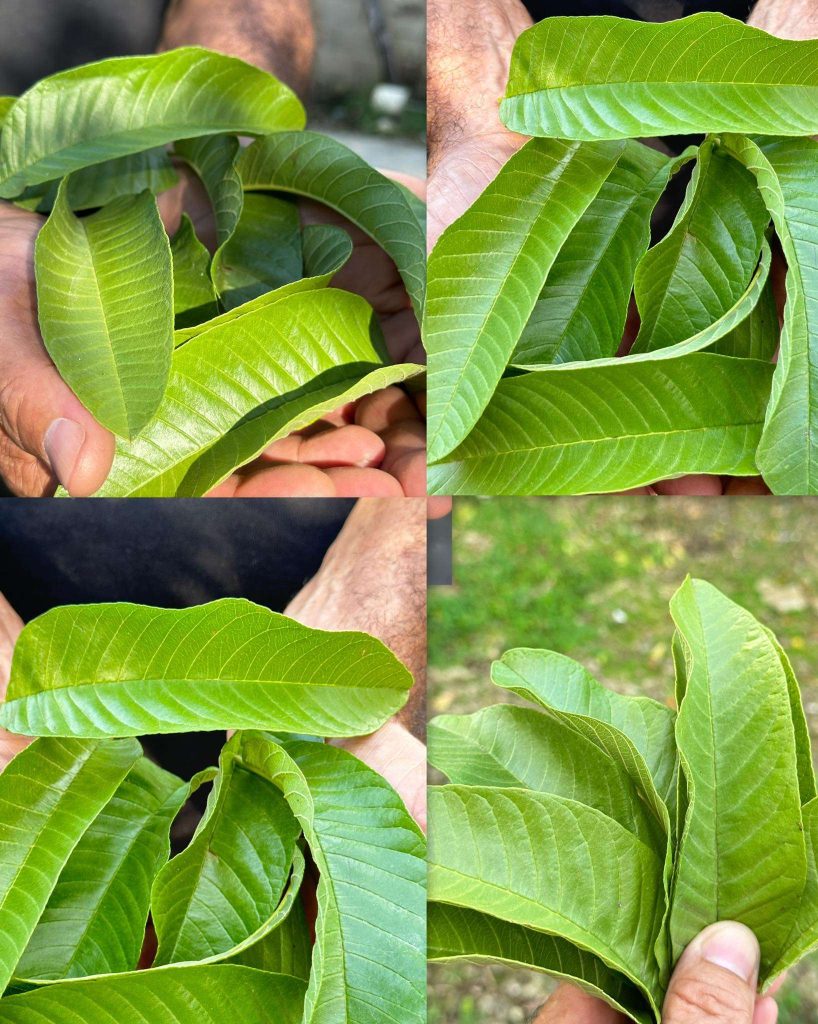
Guava leaves are often overlooked, yet they hold a treasure trove of health benefits that have been utilized in traditional medicine for centuries. While the fruit itself is celebrated for its vitamin C content, the leaves offer a unique combination of antioxidants, anti-inflammatory compounds, and antimicrobial properties. In this article, we explore the science-backed advantages of incorporating guava leaves into your wellness routine, from improving digestion to supporting heart health. Whether you're a health enthusiast or simply curious about natural remedies, you'll discover practical ways to harness the power of this humble leaf. 🍃
Espanol
🌿 Nutritional Profile of Guava Leaves
Guava leaves are rich in bioactive compounds such as flavonoids, tannins, and essential oils. They contain high levels of vitamin C and antioxidants like quercetin and lycopene, which help neutralize free radicals in the body. Additionally, the leaves are a source of fiber and potassium, making them a nutrient-dense addition to teas and extracts. Unlike the fruit, the leaves have a lower sugar content, making them suitable for those monitoring their glucose intake. 💚
🍵 Digestive Health Benefits
One of the most well-known uses of guava leaves is for digestive relief. The leaves contain compounds that can reduce stomach inflammation and alleviate diarrhea caused by bacterial infections. Studies suggest that guava leaf extracts inhibit the growth of harmful bacteria like Staphylococcus aureus while promoting the balance of gut flora. Tip: Brew a strong tea from dried guava leaves and drink it after meals to soothe indigestion. For chronic issues, consult a healthcare provider first. 🌱
🩸 Blood Sugar Regulation
Guava leaves are gaining attention for their potential role in managing blood sugar levels. Active compounds in the leaves, such as psidium and flavonoids, help inhibit the absorption of sugars in the intestines and improve insulin sensitivity. A study published in the Journal of Nutrition & Metabolism found that drinking guava leaf tea after meals can significantly lower postprandial glucose spikes. If you have diabetes or prediabetes, consider adding unsweetened guava leaf tea to your daily routine — but always monitor your glucose and discuss with your doctor. 🩺
❤️ Heart Health and Cholesterol
Guava leaves contribute to cardiovascular wellness by helping to reduce LDL (bad) cholesterol and triglycerides. The antioxidants in the leaves prevent oxidative damage to blood vessels, reducing the risk of atherosclerosis. Additionally, the leaves contain potassium, which helps regulate blood pressure. Incorporating guava leaf tea or extracts as part of a balanced diet can support heart function. For best results, combine with regular exercise and a diet low in saturated fats. ❤️
💆 Skin and Hair Benefits
Topical application of guava leaf extracts can work wonders for skin health. The antibacterial properties help combat acne-causing bacteria, while the anti-inflammatory effects reduce redness and swelling. You can make a simple toner by steeping crushed guava leaves in hot water, cooling, and applying with a cotton pad. For hair, guava leaf tea can be used as a final rinse to strengthen hair follicles and reduce dandruff. The vitamin C content also promotes collagen production for resilient skin. 🌿
🍃 How to Use Guava Leaves: Practical Tips
- Tea: Boil 5–10 fresh or dried guava leaves in 2 cups of water for 10 minutes. Strain and drink warm. Add a slice of lemon or a pinch of cinnamon for flavor (but avoid sugar for maximum benefits). 🫖
- Compress: Use the cooled tea as a compress for minor wounds or skin irritations. The tannins aid in wound healing. 🩹
- Mouth rinse: Gargle with guava leaf tea to soothe sore throats or gum inflammation. Its antimicrobial properties help fight oral bacteria. 😷
- Infused oil: Steep dried leaves in coconut oil for a week to create a topical oil for massage or scalp treatment. 🛁
- Powder: Grind dried leaves into a fine powder and add a teaspoon to smoothies or soups for an extra fiber boost — but use sparingly due to strong flavor. 🥤
Remember to source leaves from pesticide-free plants and consult a healthcare professional before using guava leaves as a remedy, especially if you are pregnant, nursing, or on medication. ⚠️
🔬 Scientific and Traditional Perspectives
Traditional medicine systems, including Ayurveda and folk remedies across Latin America and Asia, have long valued guava leaves for their versatility. Modern research is catching up: a 2021 review in Frontiers in Pharmacology highlighted the leaves' potential in antimicrobial, antidiabetic, and anti-inflammatory applications. However, most studies are conducted in vitro or in animal models, so human clinical trials are still needed. Always approach natural remedies with evidence-based caution and use them as complementary, not primary, treatments. 📚
💬 Conclusion
Guava leaves are far more than an afterthought from the fruit tree — they are a powerhouse of nutrients and healing properties that can support your digestive, metabolic, cardiovascular, and dermal health. From a warm cup of tea to a soothing skin compress, the applications are simple yet effective. By integrating guava leaves into your lifestyle, you tap into centuries of traditional wisdom backed by emerging science. Remember to start with small amounts, listen to your body, and consult a professional when needed. Embrace the green treasure that nature offers — your body will thank you. 🌟
Deja una respuesta