BENEFITS OF GUAVA LEAVES
 Espanol
BENEFITS OF GUAVA LEAVES: A NATURAL POWERHOUSE FOR YOUR HEALTH
Espanol
🍃 When you think of guava, your mind likely jumps to the sweet, tropical fruit. But what if I told you that the leaves—often discarded or overlooked—hold an incredible array of health benefits? From ancient herbal medicine to modern nutritional science, guava leaves have earned a reputation as a natural remedy for everything from digestive troubles to blood sugar management. In this article, we’ll dive deep into the science-backed benefits of guava leaves, how to use them safely, and why you should consider adding them to your wellness routine. Whether you’re a health enthusiast or just curious about natural alternatives, this guide will give you practical, evidence-based insights. Let’s explore why these humble leaves deserve a spot in your home apothecary.
🌟 What Makes Guava Leaves So Special?
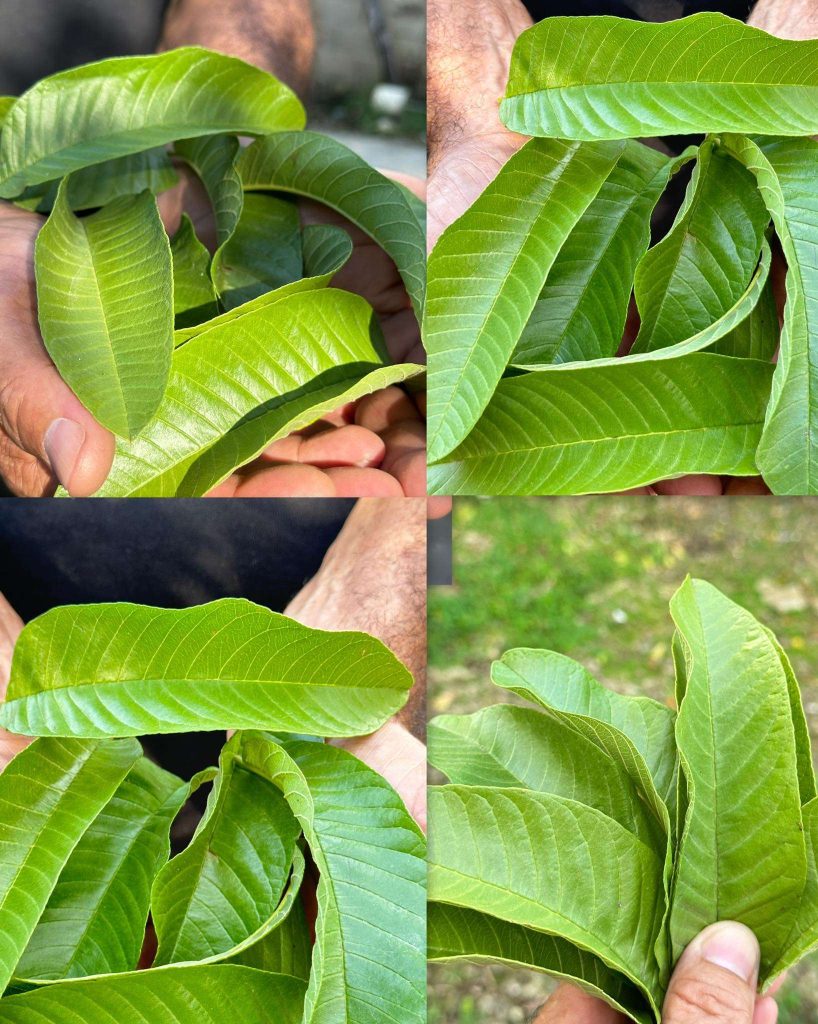
Guava leaves (from the Psidium guajava plant) are packed with powerful bioactive compounds including flavonoids, tannins, essential oils, and vitamin C. These substances give the leaves potent antioxidant, anti-inflammatory, and antimicrobial properties. Unlike many supplements that require complex processing, guava leaves can be used fresh or dried in teas, extracts, or even topical applications. Their versatility makes them accessible for daily use. 🍵
One key component is quercetin, a flavonoid known for its ability to reduce oxidative stress and support cardiovascular health. Another is vitamin C, which boosts immunity and collagen production. Plus, the leaves contain tannins like gallic acid, which have astringent and anti-diarrheal effects. This unique combination is why guava leaf tea has been a traditional remedy in many cultures for centuries.
💪 Digestive Health: Soothe Your Gut Naturally
One of the most well-documented benefits of guava leaves is their ability to relieve digestive issues. Studies have shown that extracts from the leaves can inhibit the growth of harmful bacteria like Staphylococcus aureus and E. coli, while promoting the growth of beneficial gut flora. This makes them effective for treating diarrhea, dysentery, and even stomach flu. 🦠
For example, a 2016 study published in the Journal of Ethnopharmacology found that guava leaf extract significantly reduced the duration and frequency of diarrhea in patients. The tannins in the leaves bind to toxins and soothe the intestinal lining, providing fast relief. Additionally, the leaves' anti-inflammatory properties can help with bloating and cramping. Tip: Drink a cup of guava leaf tea after meals to aid digestion and prevent indigestion. To make it, steep 2–3 fresh or dried leaves in hot water for 10 minutes, then strain and sip slowly.
🩸 Blood Sugar Control: A Natural Aid for Diabetes Management
Guava leaves have gained significant attention for their potential to lower blood sugar levels. Research indicates that compounds in the leaves can inhibit the activity of alpha-glucosidase and alpha-amylase—enzymes that break down carbohydrates into glucose. By slowing this process, guava leaf extract helps prevent sharp spikes in blood sugar after meals. 📉
A 2013 study in Nutrition and Metabolism showed that participants who consumed guava leaf tea experienced a significant reduction in postprandial blood glucose levels. Another clinical trial with type 2 diabetes patients found that drinking guava leaf tea for 12 weeks led to improved HbA1c levels and better insulin sensitivity. While not a replacement for medication, guava leaves can be a valuable complementary therapy. Always consult your doctor before adding it to your regimen, especially if you’re on diabetes medication.
❤️ Heart Health: Protect Your Cardiovascular System
Your heart reaps major rewards from guava leaves, too. The antioxidants in the leaves—especially vitamin C and quercetin—help reduce LDL (bad) cholesterol and lower blood pressure. A 2017 animal study published in Phytomedicine found that guava leaf extract reduced total cholesterol and triglyceride levels while raising HDL (good) cholesterol. 🫀
Furthermore, the leaves' anti-inflammatory properties combat arterial inflammation, a key driver of atherosclerosis. By improving lipid profiles and reducing oxidative damage, guava leaves support overall cardiovascular function. Pro tip: Incorporate guava leaf tea into your daily routine as part of a heart-healthy diet rich in whole foods, exercise, and stress management. Even a single cup per day can make a difference over time.
🌿 Skin and Hair: Topical Benefits You Can’t Ignore
Guava leaves aren’t just for internal use—they’re also fantastic for your skin and hair. Their antimicrobial and astringent properties make them an excellent natural treatment for acne, blemishes, and oily skin. The tannins help tighten pores and reduce excess sebum production, while the antibacterial agents fight acne-causing bacteria like Propionibacterium acnes. 🧴
For hair, guava leaf extract can strengthen follicles and reduce dandruff. A simple rinse with cooled guava leaf tea after shampooing can soothe an itchy scalp and add shine to your hair. To make a topical toner: boil 5–6 fresh leaves in a cup of water, let it cool, strain, and apply with a cotton pad. Use it twice daily for best results. Many users report clearer skin and reduced hair fall within a few weeks.
🦠 Immune Support: Strengthen Your Defenses
With its high concentration of vitamin C and antioxidants, guava leaves are a powerful immune booster. The leaves contain more vitamin C than many citrus fruits—by weight, guava leaves can contain up to 200 mg of vitamin C per 100 grams! This nutrient stimulates white blood cell production and protects cells from oxidative damage. 🛡️
Additionally, the anti-inflammatory effects of guava leaves help the body recover faster from infections and reduce the severity of colds or flu. A 2020 review in Frontiers in Pharmacology highlighted that guava leaf extracts exhibit antiviral activity against several viruses, including influenza and herpes simplex. Drinking guava leaf tea regularly during flu season can be a simple, natural way to keep your immune system strong. Combine it with other immune-friendly habits like adequate sleep, hydration, and a balanced diet for maximum protection.
🍵 How to Use Guava Leaves: Practical Tips
Ready to add guava leaves to your routine? Here are the most common and effective methods:
- Tea: Steep 2–3 dried or fresh leaves in a cup of hot water for 10 minutes. Strain and drink up to 2 cups per day. Add honey or lemon for flavor.
- Powder: Dry the leaves, grind them into a fine powder, and add to smoothies or soups. Start with half a teaspoon per day.
- Tincture or extract: Available in health stores, follow the dosage on the label—usually 10–30 drops diluted in water.
- Topical paste: Crush fresh leaves with a little water to form a paste, apply to acne or wounds for 15 minutes, then rinse.
- Hair rinse: Boil a handful of leaves in 2 cups of water, cool, and use as a final rinse after shampooing.
Important caution: While guava leaves are generally safe, they can interact with medications (e.g., diabetes drugs, blood pressure meds). Pregnant or nursing women should consult a healthcare professional before use. Also, avoid using them in excessive amounts—stick to recommended doses to prevent stomach upset.
🔬 Scientific Evidence: What the Research Says
The health claims surrounding guava leaves aren’t just folklore—they’re backed by modern science. Numerous peer-reviewed studies have validated their benefits:
- A 2015 study in BMC Complementary and Alternative Medicine confirmed the leaves’ strong antibacterial activity against dental plaque bacteria, suggesting they could be used in natural mouthwash.
- A 2018 meta-analysis found that guava leaf extract significantly improved insulin sensitivity and reduced fasting blood glucose in prediabetic individuals.
- Research from Plant Foods for Human Nutrition (2020) demonstrated that guava leaf powder lowered cholesterol levels in overweight adults after 8 weeks of supplementation.
This growing body of evidence makes guava leaves one of the most promising natural remedies for metabolic and digestive health. Always look for organic, pesticide-free leaves to avoid contaminants. If harvesting yourself, ensure the leaves come from a tree not sprayed with chemicals.
💡 Common Myths and Misconceptions
Let’s clear up a few misunderstandings about guava leaves:
- Myth: Guava leaves are only for diarrhea. While they are excellent for digestive issues, their benefits extend to blood sugar, heart health, skin, and immunity.
- Myth: You can eat the leaves directly. Fresh leaves are tough and bitter—it’s better to use them in tea or extract form.
- Myth: They work instantly. Like most natural remedies, consistency is key. Most users notice improvements after 2–4 weeks of regular use.
- Myth: They have no side effects. Overconsumption may cause constipation or nausea due to high tannin content. Stick to moderate doses (1–2 cups of tea daily).
Understanding these facts helps you use guava leaves effectively and safely.
🌸 Conclusion: Embrace the Power of Guava Leaves
🌱 Guava leaves are a true gift from nature—a versatile, affordable, and scientifically supported tool for improving your health from the inside out. Whether you’re looking to soothe an upset stomach, manage your blood sugar, protect your heart, or enhance your skin and hair, these humble leaves deliver. Their antioxidant, anti-inflammatory, and antimicrobial properties make them a worthy addition to any wellness routine.
Start small: brew a cup of guava leaf tea tomorrow morning and notice how your digestion feels. Over the next weeks, observe changes in your energy, skin, or overall vitality. Remember, natural remedies work best when combined with a healthy lifestyle—nutritious diet, regular exercise, adequate sleep, and stress management. 🍃
Have you tried guava leaves before? I’d love to hear your experience! Drop a comment below or share this article with someone who might benefit. And as always, consult your healthcare provider before making significant changes to your health regimen. Here’s to a healthier, happier you—powered by nature’s simplest gifts. 💚
Deja una respuesta