BENEFITS OF GUAVA LEAVES
 Espanol
Introduction
Espanol
🌿 Guava leaves are often overlooked in favor of the fruit, but they pack a powerful punch of nutrients and medicinal properties. From traditional herbal remedies to modern scientific research, these humble leaves have been shown to support digestion, boost immunity, and even aid in weight management. In this article, we will explore the most compelling benefits of guava leaves, backed by evidence and practical advice on how to incorporate them into your daily routine. Whether you are a health enthusiast or simply curious about natural wellness, you will discover why guava leaves deserve a spot in your home apothecary. 🍃
What Makes Guava Leaves So Special? 🌱
Guava leaves are rich in bioactive compounds such as flavonoids, tannins, and essential oils. These substances give the leaves their antioxidant, anti‑inflammatory, and antimicrobial properties. Unlike many synthetic supplements, guava leaves offer a natural, affordable way to support your health. Research indicates that the leaves contain higher concentrations of certain polyphenols than the fruit itself, making them a concentrated source of wellness. When harvested fresh or dried, they can be brewed into a soothing tea or used in topical applications. The key is to choose organic leaves to avoid pesticide residues and to prepare them correctly to unlock their full potential. 🧪
Did you know? Guava leaves have been used for centuries in traditional medicine across Asia, Africa, and Latin America. They are a staple in herbal compendia for treating gastrointestinal issues, skin infections, and even oral health problems. Modern studies are now confirming many of these traditional uses, bridging the gap between ancient wisdom and evidence‑based practice. 🔬
1. Digestive Health and Gut Support 🫃
One of the most celebrated benefits of guava leaves is their ability to soothe digestive discomfort. Drinking a cup of guava leaf tea can help relieve diarrhea, bloating, and stomach cramps. The tannins in the leaves act as a natural astringent, tightening the intestinal lining and reducing excessive fluid loss. Studies have shown that guava leaf extract can inhibit the growth of harmful bacteria like E. coli and Staphylococcus aureus while promoting the growth of beneficial gut flora.
Practical tip: Steep 2–3 fresh or dried guava leaves in boiling water for 5–7 minutes. Drink this tea after meals to aid digestion or during episodes of diarrhea to help firm stools. You can add a teaspoon of honey for taste, but avoid milk, as it may interfere with the active compounds. 🍵
For those with chronic digestive issues like irritable bowel syndrome (IBS), incorporating guava leaf tea into a routine may provide gentle, consistent relief. However, always consult a healthcare professional before using it as a primary treatment.
2. Blood Sugar Regulation 🩸
Guava leaves have demonstrated impressive effects on blood sugar levels. Research indicates that compounds in the leaves inhibit the absorption of sucrose and maltose, thereby reducing post‑meal blood glucose spikes. This makes them particularly beneficial for individuals with type 2 diabetes or those at risk of developing the condition. A 2010 study published in the Journal of Ethnopharmacology found that guava leaf tea significantly lowered blood sugar levels in diabetic rats, and human trials have shown similar promising results.
How to use: Drink a cup of unsweetened guava leaf tea twice daily, ideally before meals. For best results, combine this practice with a balanced diet and regular exercise. The leaves also help improve insulin sensitivity over time, contributing to long‑term metabolic health. Remember that guava leaf tea is not a substitute for prescribed medication, but a supportive natural tool. 🩺
Caution: Monitor your blood sugar closely when starting guava leaf tea, as it may potentiate the effects of diabetic medications and cause hypoglycemia. Always inform your doctor before introducing new herbal remedies.
3. Skin Health and Anti‑Aging 🌸
The antioxidants in guava leaves, especially vitamin C and flavonoids, help combat oxidative stress that leads to premature aging. Applying a paste of crushed guava leaves to the skin can reduce acne, soothe inflammation, and promote a clearer complexion. The leaves also contain antimicrobial agents that fight acne‑causing bacteria like Propionibacterium acnes.
DIY face mask recipe: Grind a handful of fresh guava leaves into a fine paste. Mix with a little water or aloe vera gel. Apply to clean skin, leave for 15 minutes, then rinse with lukewarm water. Use this mask twice a week to reduce breakouts and enhance skin radiance. Alternatively, you can use guava leaf tea as a toner after cleansing. Just allow the tea to cool and apply with a cotton ball. 🧴
For anti‑aging, the high antioxidant content helps neutralize free radicals that damage collagen and elastin. Regular topical use or consumption of guava leaf tea can support skin elasticity and firmness. Pair it with a good sunscreen for best results.
4. Oral Health and Fresh Breath 🦷
Because of their antibacterial and anti‑inflammatory properties, guava leaves are excellent for maintaining oral hygiene. Chewing a tender guava leaf or using a mouthwash made from the leaves can help prevent cavities, reduce gum inflammation, and combat bad breath. Studies have shown that guava leaf extract is effective against Streptococcus mutans, a primary culprit in tooth decay.
Simple mouthwash recipe: Boil 4–5 guava leaves in a cup of water for 10 minutes. Strain and let it cool. Use this as a mouthwash after brushing, swishing for 30 seconds. Do not swallow. This natural alternative is free from alcohol and artificial chemicals, making it safe for sensitive gums. 🫧
In many cultures, people use guava leaf decoction to treat mouth ulcers and sore throats. The astringent nature of the leaves helps tighten tissues and speed up healing. If you suffer from recurring canker sores, try rinsing with guava leaf tea several times a day.
5. Weight Management and Metabolism Boost ⚖️
Guava leaves can be a valuable ally in weight loss journeys. They contain compounds that inhibit the conversion of complex carbohydrates into sugars, which helps prevent fat accumulation. Additionally, the leaves have a mild diuretic effect, reducing water retention and bloating. Drinking guava leaf tea before meals may promote a feeling of fullness, leading to reduced calorie intake.
How to incorporate: Replace sugary drinks or coffee with a cup of guava leaf tea in the morning or afternoon. For an extra metabolism kick, combine it with a slice of lemon or a pinch of ginger. Consistency is key – make it a daily habit to support your weight management goals naturally. 🏃
Remember that sustainable weight loss requires a holistic approach. Guava leaf tea is a complementary tool, not a magic bullet. Combine it with a nutritious diet, regular physical activity, and adequate sleep for the best outcomes.
6. Immune System Support 🛡️
The high levels of vitamin C and antioxidants in guava leaves strengthen the immune system. A strong immune response helps the body fend off common infections like colds, flu, and even recurrent urinary tract infections. The anti‑inflammatory properties also help reduce the severity and duration of symptoms when you do get sick.
Recipe for immune‑boosting tea: Boil 3–4 guava leaves with a small piece of ginger and a cinnamon stick in 2 cups of water for 15 minutes. Strain, add a teaspoon of honey, and drink warm. This blend not only tastes great but also delivers a triple‑action immune boost. 🍯
During seasonal changes or when you feel a cold coming on, start drinking this tea twice a day. It can also be used as a preventive measure during flu season. For children, use a milder concentration and consult a pediatrician.
How to Prepare and Use Guava Leaves Safely ☕
Fresh vs. dried: Both forms work, but fresh leaves tend to have a stronger flavor and higher moisture content. Dried leaves are more concentrated and have a longer shelf life. You can find dried guava leaves in health food stores or online.
Tea preparation: Use 2–3 fresh leaves (or 1 tablespoon of dried leaves) per cup of boiling water. Steep covered for 5–10 minutes. Strain and drink. For stronger medicinal effects, steep longer or use more leaves.
Storage: Store dried leaves in an airtight container away from direct sunlight. Fresh leaves can be refrigerated in a damp paper towel for up to a week, or frozen for longer use.
Possible side effects: Guava leaves are generally safe for most people. However, excessive consumption may cause constipation or stomach upset due to high tannin content. Pregnant or breastfeeding women should consult a doctor before regular use. People with low blood pressure or on blood‑thinning medications should also exercise caution, as guava leaves may have mild hypotensive and anticoagulant effects.
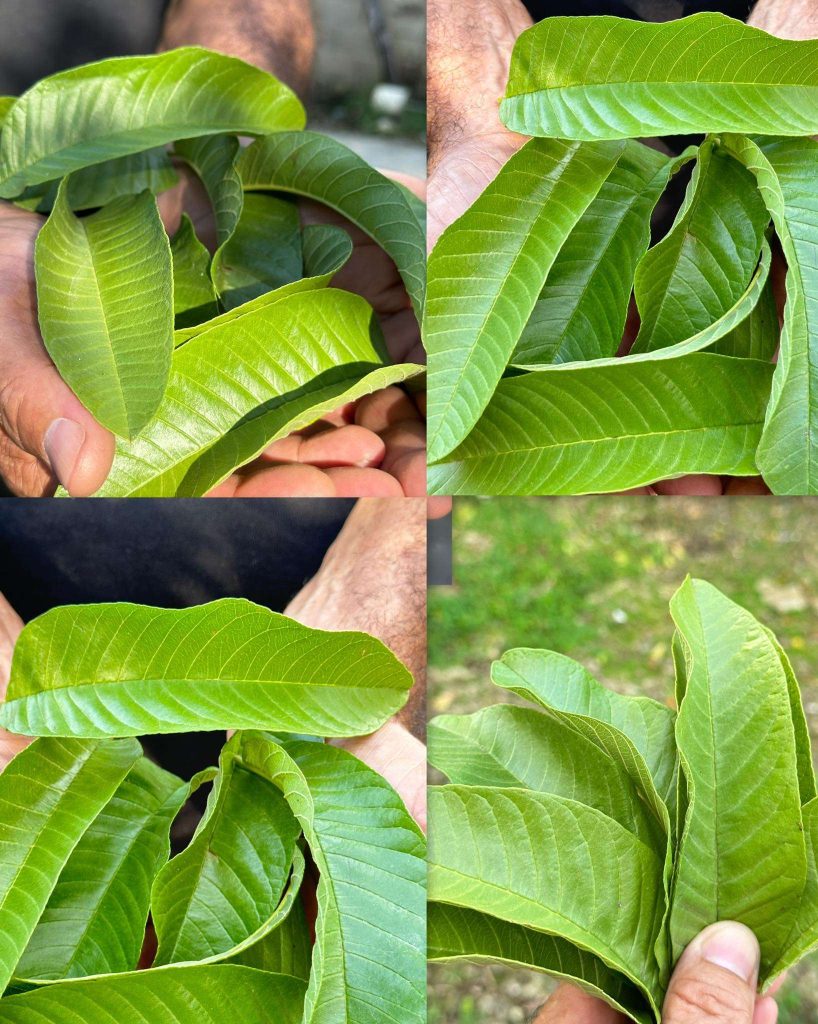
Note: Always source leaves from plants that have not been treated with pesticides. Wash fresh leaves thoroughly before use. If you are picking leaves from a backyard tree, ensure it is a guava variety (Psidium guajava) and not a toxic lookalike.
Conclusion: Unlock the Power of Guava Leaves 🌟
Guava leaves are a versatile, cost‑effective, and scientifically supported natural remedy. From improving digestion and regulating blood sugar to enhancing skin health and boosting immunity, their benefits are wide‑ranging. By incorporating guava leaf tea or topical preparations into your daily routine, you can take a proactive step toward better health without relying solely on synthetic products. Remember to start with small amounts, observe how your body responds, and consult a healthcare professional when needed. 🩺
We have covered the key areas where guava leaves shine, but research continues to reveal new applications. So why not give this simple leaf a chance? Brew a cup, apply a mask, or rinse your mouth – and experience the natural goodness that has been treasured for generations. 🌿
Disclaimer: This article is for informational purposes only and does not replace medical advice. Always seek the guidance of a qualified health professional for personal health concerns.
Deja una respuesta