BENEFITS OF GUAVA LEAVES
 Espanol
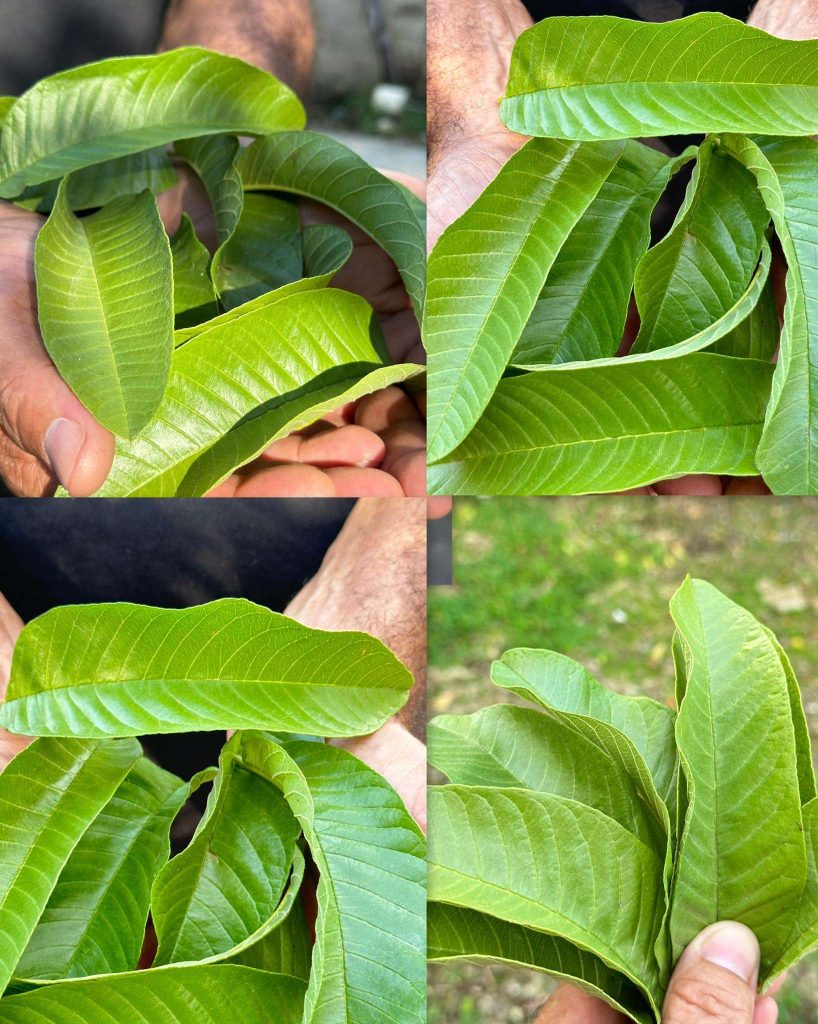
Guava leaves are far more than a simple byproduct of the fruit we love. For centuries, they have been a cornerstone of traditional medicine across Asia, Africa, and the Americas. While the sweet pink or white flesh of the guava fruit is widely celebrated, the leaves carry a dense concentration of antioxidants, anti-inflammatory compounds, and antibacterial agents that can transform your health from the inside out. 🌿 In this guide, we will explore the scientifically backed benefits of guava leaves, share practical ways to incorporate them into your daily routine, and explain why you should start paying attention to this humble leaf today.
Espanol
🌱 What Makes Guava Leaves So Powerful?
First, it helps to understand the phytochemistry behind these leaves. Guava leaves are rich in flavonoids, tannins, and essential oils, including quercetin, guaijaverin, and avicularin. These compounds give the leaves their potent antimicrobial, anti-diarrheal, and anti-hypertensive properties. Unlike processed supplements, guava leaves offer a whole‑food source of these bioactive molecules, meaning your body can absorb and utilize them more effectively. They also contain high levels of vitamin C and B‑complex vitamins, making them a natural immunity booster.
🔥 Key takeaway: The synergy of these compounds is what makes guava leaf tea or extract so effective for a wide range of issues – from digestive discomfort to blood sugar management.
🩺 1. Digestive Health and Diarrhea Relief
One of the most well‑documented uses of guava leaves is for treating diarrhea and stomach infections. The leaves contain antimicrobial agents that kill harmful bacteria like Staphylococcus aureus and E. coli, while also relaxing the intestinal muscles to reduce cramping. A simple tea made from a handful of fresh or dried leaves can stop mild diarrhea within hours. 😌
For chronic digestive issues, guava leaf extract may also help manage inflammatory bowel disease (IBD) by reducing inflammation in the gut lining. **Pro tip:** To make the tea, steep 5–10 fresh guava leaves in boiling water for 10 minutes, then strain and drink up to three cups daily during acute episodes. Always ensure the leaves are washed thoroughly.
🍃 2. Blood Sugar Regulation and Diabetes Management
If you are concerned about blood sugar spikes, guava leaves can be a natural ally. Studies have shown that guava leaf extract inhibits the absorption of two types of sugars: sucrose and maltose, effectively lowering post‑meal blood glucose levels. This happens because the compounds in the leaves block the activity of alpha‑glucosidase, the enzyme that breaks down complex carbohydrates into sugar. 📉
One 2010 study published in Nutrition and Metabolism found that participants who drank guava leaf tea after meals had significantly lower blood sugar compared to those who drank plain water. **Warning:** If you are already on diabetes medication, consult your doctor before using guava leaves regularly, as they can potentiate the effects and cause hypoglycemia.
To incorporate this into your daily routine, drink one cup of unsweetened guava leaf tea 30 minutes after your main meals. You can also find standardized guava leaf supplements in capsule form, but tea offers the added benefit of hydration.
💊 3. Antioxidant Boost and Anti‑Aging Effects
Guava leaves are loaded with antioxidants – even more than the fruit itself. The flavonoids and phenolic compounds in the leaves neutralize free radicals, which are unstable molecules that cause oxidative stress, premature aging, and chronic diseases like heart disease and cancer. 🧬
Applying guava leaf extract topically can also slow the formation of wrinkles and age spots. You can make a simple toner by steeping leaves in boiling water, cooling, and using the liquid as a facial rinse. The astringent properties tighten pores and reduce excess oil, making this a great natural option for acne‑prone skin as well. **Practical tip:** Combine guava leaf tea with a bit of honey for a soothing face mask once a week.
🦷 4. Oral Health and Gum Care
Bacteria that cause plaque, gingivitis, and bad breath are no match for guava leaves. Chewing fresh leaves (or using a concentrated mouthwash) can reduce inflammation of the gums and kill the bacteria responsible for cavities. In some communities, people grind dried guava leaves into a powder and mix it with salt to create a natural toothpaste.
A 2014 study in the Journal of Natural Remedies reported that guava leaf mouthwash was as effective as a commercial chlorhexidine mouthwash in reducing plaque and gingival bleeding – with fewer side effects. 🦷✨ **For a quick mouthwash:** Boil a handful of leaves in water for 15 minutes, cool, and use it to rinse your mouth twice daily.
❤️ 5. Heart Health and Cholesterol Reduction
High cholesterol and triglycerides are major risk factors for heart disease. Animal studies and preliminary human trials suggest that guava leaf extract can lower “bad” LDL cholesterol and triglycerides while increasing “good” HDL cholesterol. The soluble fiber in the leaves also binds to cholesterol in the digestive tract, preventing its absorption into the bloodstream.
Additionally, guava leaves have a mild vasodilating effect, which helps lower blood pressure naturally. If you have hypertension, drinking guava leaf tea daily could complement your existing treatment under medical supervision. ❤️
🌿 6. Weight Management and Metabolism Support
Because guava leaves help stabilize blood sugar and reduce carbohydrate absorption, they can indirectly support weight loss by preventing energy crashes and sugar cravings. The leaves also have a mild diuretic effect, which can help reduce water retention. 🌊
Important: Guava leaves are not a magic weight‑loss pill. They work best when combined with a balanced diet and regular physical activity. A cup of tea before meals may help you feel fuller, reducing overall calorie intake. You can also add powdered guava leaves to smoothies or soups for an extra nutritional boost.
🛁 7. Skin and Hair Applications
Beyond internal health, guava leaves are a fantastic topical remedy. The antibacterial and anti‑inflammatory properties make them effective against acne, eczema, and minor cuts. 🧴 You can crush fresh leaves into a paste and apply it directly to pimples or insect bites to reduce redness and swelling.
For hair, a rinse made from guava leaf tea can strengthen hair follicles and reduce dandruff. The antioxidants also protect the scalp from environmental damage. After shampooing, pour the cooled tea over your hair, massage it into the scalp, and leave it for 10 minutes before rinsing with water. Repeat weekly for noticeable results.
⚠️ Safety Considerations and How to Use Guava Leaves Safely
While guava leaves are generally safe for most people, there are a few precautions to keep in mind:
- Pregnancy and breastfeeding: There is limited research on safety, so it’s best to avoid large amounts or consult a healthcare provider.
- Medication interactions: As mentioned earlier, guava leaves can lower blood sugar and blood pressure. If you take drugs for diabetes or hypertension, monitor your levels closely.
- Allergies: Though rare, some individuals may be allergic to guava leaves. Start with a small amount to test your tolerance.
- Overconsumption: Drinking more than 3–4 cups of strong guava leaf tea per day may cause digestive upset due to the high tannin content. Moderation is key. ✅
Always source your leaves from organic suppliers or wash them thoroughly to remove pesticides. Dried leaves can be stored in an airtight container for up to a year.
📝 How to Prepare Guava Leaf Tea (Step by Step)
This is the most common and effective way to consume guava leaves. Follow these simple steps:
- Harvest or buy: Use fresh or dried guava leaves. If fresh, rinse well to remove dirt.
- Boil water: Bring 2 cups of water to a rolling boil.
- Steep: Add 5–10 leaves (or 1 tablespoon of dried leaves) to the water. Reduce heat and simmer for 10 minutes.
- Strain: Remove the leaves and pour the liquid into a cup.
- Optional: Add a pinch of cinnamon or a slice of lemon for flavor. Avoid sugar if you are using it for blood sugar control.
- Drink: Enjoy warm or cool. You can store leftover tea in the fridge for up to two days. ☕
💡 Creative Ways to Incorporate Guava Leaves Into Your Daily Life
- Smoothies: Blend a small amount of dried, powdered guava leaves into your morning smoothie for an antioxidant boost.
- Soups and stews: Add whole leaves to simmering broths and remove before serving. The flavor is mild and earthy.
- Salad dressing: Infuse vinegar or oil with guava leaves for a unique, health‑promoting dressing.
- Skincare: Freeze guava leaf tea into ice cubes and use them as a cooling facial toner.
- Bath soak: Throw a handful of leaves into your bathwater for a relaxing, anti‑inflammatory soak. 🛁
🔬 Scientific Studies Supporting Guava Leaf Benefits
If you are a research‑minded reader, here are a few key studies that validate the health claims:
- Diabetes: A 2013 study in Journal of Ethnopharmacology found that guava leaf extract significantly reduced blood glucose in diabetic rats.
- Cholesterol: A 2015 human trial in Nutrition Research and Practice showed that guava leaf tea lowered LDL cholesterol in adults with mild hyperlipidemia.
- Digestion: A 2010 clinical trial in Indian Journal of Medical Research demonstrated that guava leaf extract stopped diarrhea in children within 24 hours.
- Antimicrobial: A 2018 study in BMC Complementary and Alternative Medicine confirmed that guava leaf extract killed multiple strains of drug‑resistant bacteria.
These findings support centuries of traditional use. Science is now catching up to grandmother’s wisdom. 🧪
❓ Frequently Asked Questions About Guava Leaves
Can I eat guava leaves raw? Yes, but they are quite tough and bitter. Chewing them raw releases the active compounds, but most people prefer tea or extract.
Are guava leaves safe for children? In moderation, yes. A weak tea can help with diarrhea in children over 2 years old. Always consult a pediatrician first.
How long should I take guava leaves for? For acute issues like diarrhea or a stomach bug, 1–3 days is enough. For chronic conditions like high blood sugar, you can use it for several weeks, but take a break after 4–6 weeks to avoid tolerance or gastrointestinal upset.
Where can I buy guava leaves? Fresh leaves are available at some ethnic grocery stores, farmers’ markets, or you can grow your own guava tree (it’s easy in warm climates). Dried leaves and powders are sold online or at health food stores.
✅ Conclusion: Unlock the Power of Guava Leaves Today
From soothing an upset stomach to balancing your blood sugar and even protecting your skin, guava leaves are a versatile, cost‑effective, and natural remedy that deserves a place in your wellness toolkit. 🛠️ Unlike many trendy superfoods, this one is backed by both ancient practice and modern science. The best part? It’s incredibly easy to start – a simple cup of tea can make a real difference.
Our final recommendation: Begin with one cup of guava leaf tea per day, monitor how your body responds, and gradually increase to two or three cups if needed. Combine it with a healthy diet and active lifestyle for optimal results. Remember, natural remedies work best as preventive and supportive measures, not as replacements for medical treatment. If you have a chronic condition, always involve your healthcare provider. 🌟
Now it’s your turn. Have you ever tried guava leaves? Share your experience with friends or start a conversation in your community. The more we learn about simple, natural solutions, the more empowered we become to take charge of our health. 🌿
Deja una respuesta