Prickly Lettuce: Uses and Benefits
 Espanol
In the realm of natural remedies, few plants offer the intriguing history and versatile benefits of Prickly Lettuce. Often dubbed 'wild lettuce' or even 'lettuce opium,' this resilient herb has been a cornerstone of herbal medicine for centuries, prized for its calming and pain-relieving properties. This comprehensive guide will explore everything you need to know about Prickly Lettuce—from its identifying features and active compounds to its modern-day uses, practical preparations, and crucial safety tips. 🌿
Espanol
What Exactly is Prickly Lettuce?
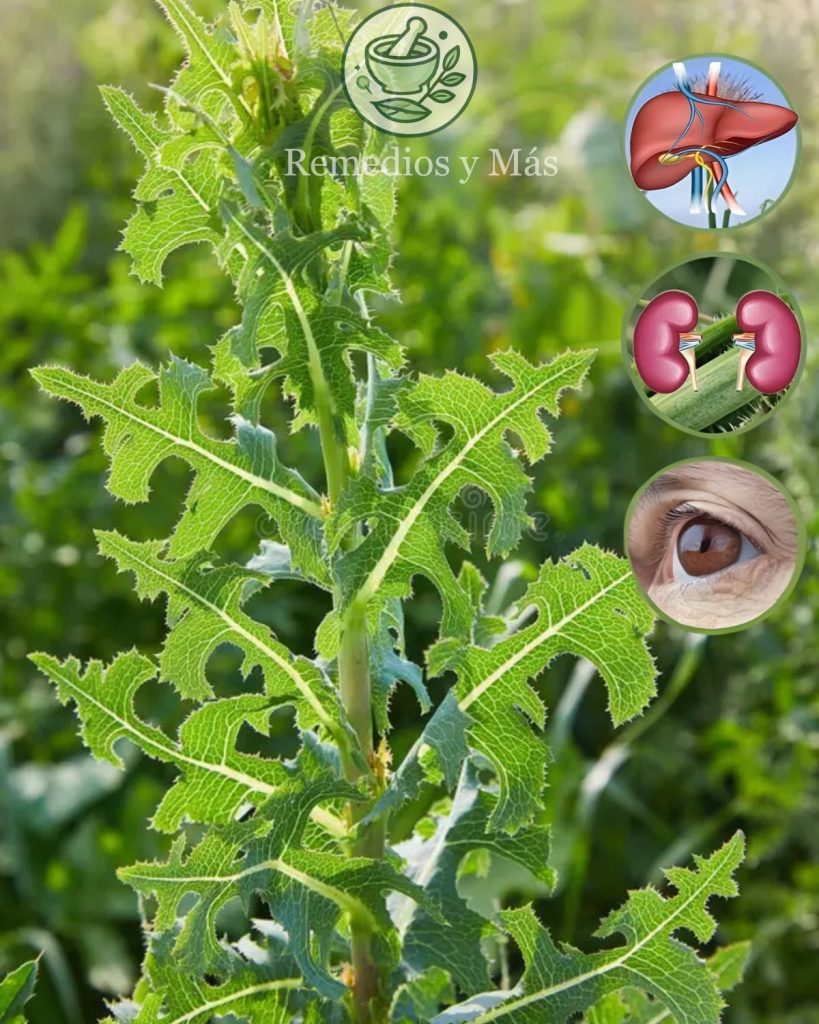
Lactuca virosa, commonly known as Prickly Lettuce, is a wild plant belonging to the Asteraceae family, which also includes daisies and sunflowers. It is characterized by its tall, sturdy stem, which can reach impressive heights of up to two meters (over six feet). When the stem or leaves are broken, they exude a milky white sap, or latex, known for its characteristically bitter taste. Its leaves are green, elongated, and feature spiny, prickly edges—giving the plant its most common name. At the top of the stem, it produces clusters of small, yellow, dandelion-like flowers.
This plant is remarkably hardy, thriving in various soil types and temperate climates, and can often be found growing wild in meadows, along roadsides, and in uncultivated fields across Europe, North America, and parts of Asia.
A Plant by Many Names 🌍
Prickly Lettuce is known by several aliases, each hinting at its characteristics or traditional uses:
- Wild Lettuce
- Lettuce Opium
- Bitter Lettuce
- Opium Lettuce
- Lactuca virosa (its scientific name)
The name "Lettuce Opium" stems from its historical use as a mild sedative and analgesic, sometimes compared to the effects of opium, but crucially, without the associated high risk of addiction. This makes it a subject of interest for those seeking natural alternatives.
Historical Context and Modern Rediscovery
The use of Prickly Lettuce dates back to ancient times. It was mentioned in ancient Egyptian texts and was well-known to physicians in Greco-Roman antiquity. Historically, the dried latex was collected and used in much the same way as the opium poppy, but its effects are considerably milder. In the 19th century, it was even used in mainstream medicine as a substitute for opium when supplies were low. Today, it's experiencing a resurgence as part of the growing herbalism and natural wellness movement.
Key Medicinal Properties and Health Benefits 💚
The therapeutic power of Prickly Lettuce comes from its unique blend of active compounds, primarily lactucin and lactucopicrin (also known as intybin). These substances are sesquiterpene lactones concentrated in the milky latex and are responsible for the plant's notable effects on the body.
1. Natural Sedative and Sleep Aid 😴
The latex has a pronounced calming effect on the central nervous system. It has been traditionally used to address:
- Insomnia and restless sleep
- General anxiety and nervousness
- Stress and emotional agitation
- Mild forms of excitability
Its major advantage is that it is non-habit-forming, providing a safer profile than many pharmaceutical sedatives.
2. Gentle Pain Relief
Acting as a mild to moderate analgesic, Prickly Lettuce can be beneficial for managing various types of discomfort, such as:
- Menstrual cramps (dysmenorrhea)
- Muscle aches and joint pain
- Headaches and migraines
- Chronic back pain
- Minor neuralgia
3. Antispasmodic Action
It helps relax smooth muscles, which can provide relief from:
- Abdominal cramps and colic
- Muscle spasms due to overexertion
- Intense menstrual cramps
- Irritable Bowel Syndrome (IBS) related discomfort
4. Mild Anti-Inflammatory Support
The plant's compounds exhibit anti-inflammatory properties, useful for soothing conditions like:
- Mild arthritis
- Muscle inflammation
- Sprains and bruises
- Tendonitis
5. Respiratory Health
Traditionally used as a remedy for respiratory ailments, it can help with:
- Dry, irritating coughs
- Bronchitis
- Mild asthma symptoms
It acts as both a bronchodilator and a gentle expectorant, helping to relax the airways and ease the expulsion of mucus.
6. Digestive Stimulant
The bitter principles in the leaves are key here. They stimulate the production of digestive juices, including stomach acid and bile, which can significantly improve:
- Slow digestion and dyspepsia
- Bloating and flatulence
- That feeling of a "heavy" stomach after meals
7. Antioxidant Boost
Rich in antioxidants, Prickly Lettuce helps combat oxidative stress, which contributes to:
- Cellular aging
- Weakened immune function
- Development of chronic diseases
How to Use Prickly Lettuce: Practical Preparations 🍵
You can harness the benefits of this plant in several safe and effective ways. Here are the most common methods:
1. Relaxing Herbal Tea
Ingredients:
- 1 tablespoon of dried Prickly Lettuce leaves
- 1 cup of freshly boiled water
- Honey or lemon to taste (optional)
Preparation: Place the dried leaves in a cup. Pour the boiling water over them, cover, and let it steep for 10-15 minutes. Strain and add sweetener if desired.
Use: Ideal for drinking 30-60 minutes before bedtime to promote restful sleep or during periods of heightened anxiety.
2. Natural Cough Syrup
Ingredients:
- 1 cup of fresh Prickly Lettuce leaves (packed)
- 2 cups of water
- 1 cup of raw honey or vegan alternative like agave syrup
Preparation: Sim
Deja una respuesta