Discover the Secrets of Epazote: From Its Healing Powers to Its Unique Flavor in Gastronomy
 Espanol
In the rich tapestry of herbal remedies and culinary arts, few plants hold as unique a position as epazote. Known scientifically as Dysphania ambrosioides, this aromatic herb is a cornerstone of traditional Mexican and Central American culture. 🌿 This article will guide you through the fascinating world of epazote, unveiling its potent healing secrets and exploring its irreplaceable role in gastronomy. From powerful natural dewormers to flavorful bean pots, prepare to discover why this plant has been cherished for centuries.
Espanol
What is Epazote? A Botanical Powerhouse
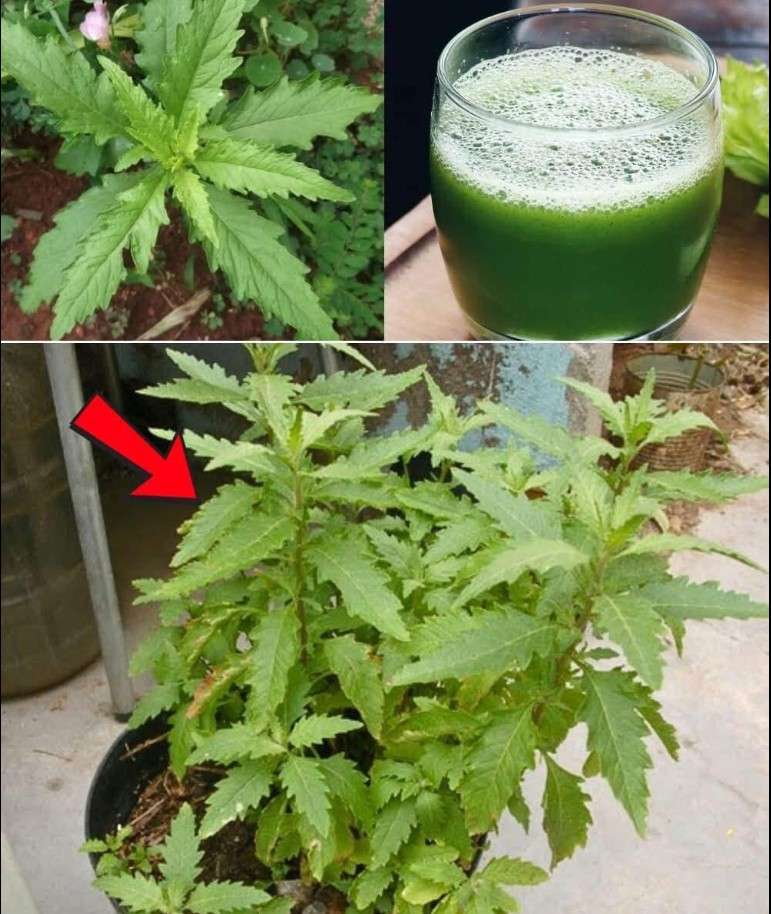
Epazote is a native American plant characterized by its serrated leaves and a potent, distinctive aroma—often described as a mix of citrus, mint, and petroleum. Its name derives from the Nahuatl words epatl (skunk) and tzotl (sweat), a nod to its strong scent. Beyond its bold presence, it packs a powerful pharmacological punch, thanks to compounds like ascariole, which is responsible for many of its medicinal properties. For generations, it has been a staple in both the home apothecary and the kitchen garden.
Unlocking the Healing Powers: Natural Remedies with Epazote
The traditional uses of epazote in herbal medicine are vast and impressive. It has been primarily used to address digestive issues, respiratory ailments, and parasitic infections. Let's explore some of the most effective and time-tested natural preparations.
1. Deworming Infusion for Intestinal Parasites 🪱
Epazote is perhaps most famous for its powerful antiparasitic properties, making it a go-to remedy for expelling intestinal worms and amoebas.
Ingredients:
- 1 tablespoon of fresh or dried epazote leaves
- 1 cup of water
Preparation:
- Bring the water to a rolling boil.
- Add the epazote leaves, reduce the heat, and let it simmer for 5-10 minutes.
- Remove from heat, allow it to steep for another 5 minutes, and then strain.
- Drink this infusion on an empty stomach for 3 consecutive days for best results.
Crucial Precaution: Due to the potency of its active compounds, this remedy is not recommended for pregnant women or young children without direct medical supervision. Always consult a healthcare professional before use.
2. Digestive Tea for Gas and Stomach Pain 🤢
Acting as an effective carminative, epazote helps soothe the digestive tract, expel trapped gas, and relieve discomfort from indigestion or bloating.
Ingredients:
- 5-7 fresh epazote leaves
- 1 thin slice of fresh ginger (a well-known digestive aid)
- 1 cup of water
Preparation:
- Combine the water, epazote, and ginger in a small pot.
- Bring to a boil and let it simmer for 5-7 minutes.
- Turn off the heat, cover, and let it steep for an additional 3 minutes.
- Strain and enjoy this warm tea after a heavy meal for immediate relief.
3. Natural Syrup for Cough and Bronchitis 😮💨
With its potent expectorant qualities, epazote helps break up mucus congestion, making it easier to expel and providing relief from a stubborn, dry cough.
Ingredients:
- 10 fresh epazote leaves
- 1 cup of water
- 1/2 cup of pure, raw honey (for its soothing and antimicrobial properties)
- Juice of one fresh lemon (rich in vitamin C)
Preparation:
- Boil the epazote leaves in the water for about 10 minutes to create a concentrated tea.
- Strain the liquid to remove the plant material.
- While the tea is still warm (not boiling), mix in the honey and lemon juice until well combined.
- Take 1 tablespoon of this syrup 3 times a day until symptoms subside.
4. Poultice for Muscular and Rheumatic Pains 💪
The anti-inflammatory and analgesic effects of epazote can be harnessed topically to ease joint inflammation, muscle soreness, and rheumatic pain.
Ingredients:
- A handful of fresh epazote leaves
- 2 tablespoons of alcohol (like rubbing alcohol) or coconut oil (as a base)
Preparation:
- Thoroughly crush or grind the fresh leaves into a paste.
- Mix the paste with the alcohol or coconut oil.
- Apply the mixture directly onto the affected area and cover with a clean cloth.
- Leave it on for 15-20 minutes before gently rinsing. Perform a patch test first to check for skin sensitivity.
Epazote in the Kitchen: A Flavor Like No Other 👨🍳
Beyond its medicinal value, epazote is a culinary treasure that imparts a unique, earthy flavor to a variety of traditional dishes. Its ability to reduce the gas-producing effects of beans is legendary.
Essential Dishes Featuring Epazote:
- Frijoles de la Olla (Pot Beans): Adding a few sprigs of epazote while cooking black or pinto beans not only minimizes bloating but also contributes an irreplaceable, deep flavor. 🫘
- Quesadillas de Huitlacoche: This corn fungus delicacy is perfectly complemented by the pungent, aromatic notes of epazote.
- Mushroom Soup: A few leaves enhance the earthy flavor of the mushrooms while simultaneously aiding in the digestion of this sometimes heavy soup. 🍄
- Tamales and Sauces: It is frequently incorporated into the masa (dough) for tamales or blended into complex green sauces for an extra layer of flavor.
Important Precautions and Final Thoughts
While epazote is a versatile and powerful plant, it must be used with knowledge and respect. The essential oil, ascariole, is toxic in high doses. Therefore, moderation is key. Never consume it in large quantities or for extended periods without professional guidance. Always consult with a doctor or herbalist
Deja una respuesta