Bay for Nail Fungus
 Espanol
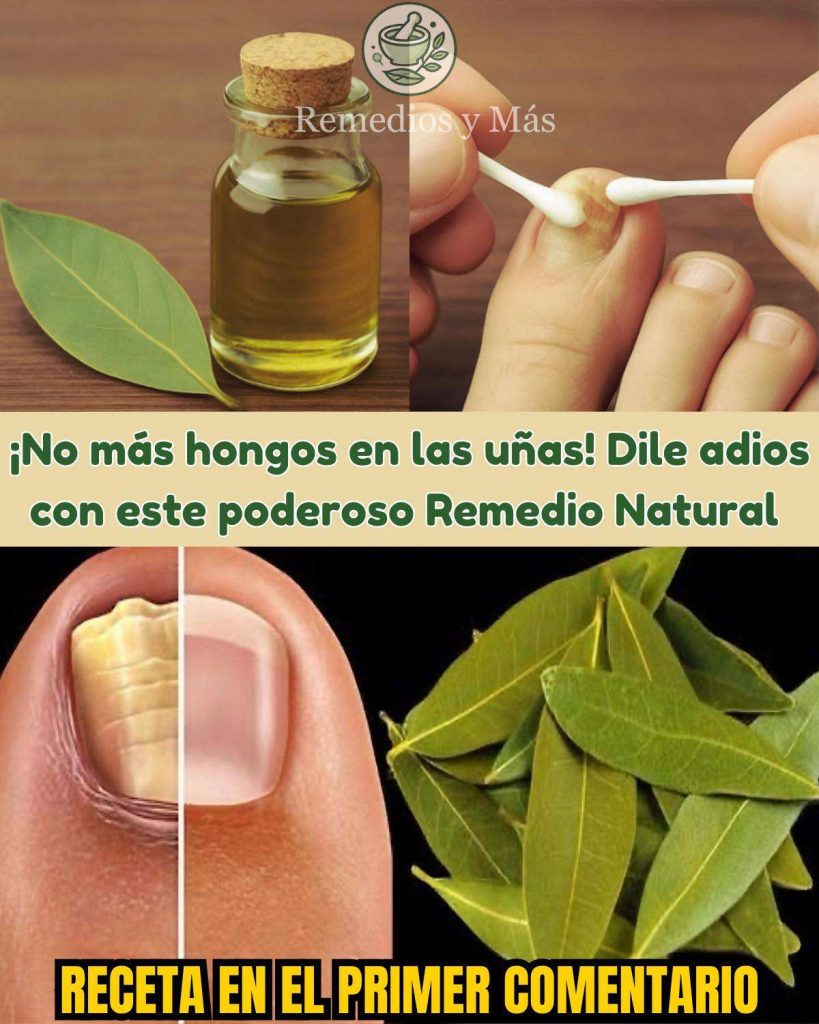
Struggling with stubborn nail fungus and looking for a natural, effective solution? 🌿 Look no further than your own kitchen or garden! Bay leaf, a common culinary herb, is a powerful ally in the fight against onychomycosis (the medical term for nail fungus). This natural remedy offers a gentle yet potent alternative to harsh chemical treatments, helping to restore the health and appearance of your nails without unwanted side effects. In this comprehensive guide, we will explore exactly how to use bay leaf for nail fungus, including a detailed homemade recipe, its scientifically-backed benefits, and essential precautions to ensure safe and effective use. Let's dive in and reclaim your healthy nails! 💪
Espanol
Why is Bay Leaf So Effective Against Nail Fungus? 🔬
Bay leaf (Laurus nobilis) is not just for flavoring soups; it's a treasure trove of bioactive compounds with impressive medicinal properties. Its efficacy against nail fungus stems from its rich concentration of potent antifungal and antimicrobial agents. Key compounds include eugenol, a powerful antiseptic and antifungal, linalool, known for its calming and antifungal effects, and lauric acid, a renowned antimicrobial. These components work synergistically to penetrate the nail bed, attack the fungal infection at its root, and inhibit further growth. Furthermore, bay leaf possesses anti-inflammatory properties that help reduce the redness and swelling often associated with fungal infections, providing comfort as it heals.
Your Powerful Homemade Bay Leaf Antifungal Recipe 🍶
Creating your own bay leaf treatment at home is simple, cost-effective, and allows you to control the ingredients. This recipe combines the power of a bay leaf infusion with other natural antifungal agents for a comprehensive solution.
Ingredients You Will Need:
- 10-12 fresh or dried bay leaves (organic is best)
- 1 cup of water (250 ml)
- 1 tablespoon of apple cider vinegar (known for its pH-balancing and antifungal properties)
- 10-15 drops of pure bay leaf essential oil (for a concentrated punch)
- 1 teaspoon of coconut oil (optional, but excellent for moisturizing and its own antifungal lauric acid content)
Preparation Steps:
- Bring the cup of water to a rolling boil in a small pot.
- Add the bay leaves, reduce the heat, and let it simmer for 10-15 minutes. This allows the beneficial compounds to be extracted into the water.
- Remove the pot from the heat and allow the infusion to cool completely.
- Once cooled, strain the liquid to remove the leaf fragments.
- Stir in the apple cider vinegar, followed by the bay leaf essential oil and the coconut oil (if using).
- Transfer the final mixture into a clean glass jar with a tight-fitting lid. Store it in a cool, dark place.
How to Use This Treatment for Best Results:
- 🚿 Always start with clean, dry feet or hands. Wash the affected area thoroughly and pat dry.
- For a soak: Submerge the affected nails in the mixture for 15-20 minutes. Alternatively, you can apply it directly to the nails using a cotton ball, ensuring complete coverage.
- After the soak, dry the area meticulously. Fungus thrives in moisture, so this step is crucial.
- For an extra boost, massage a single drop of pure bay leaf essential oil directly onto the affected nail and the surrounding skin.
- Consistency is the key to success! 🗝️ Repeat this process every night. You may start to see improvement in a few weeks, but continue the treatment for at least 3 to 4 weeks. For more stubborn, long-standing infections, persist for 6 weeks or even longer to prevent recurrence.
Top Benefits of Using Bay Leaf for Your Nails ✨
Incorporating bay leaf into your nail care routine offers a multitude of benefits beyond just killing fungus:
- Potent Antifungal Action: Directly targets and eliminates the fungi responsible for infections.
- Healing and Regenerative: Promotes the repair of damaged skin around the nail and strengthens the nail matrix.
- Powerful Antibacterial: Prevents secondary bacterial infections that can complicate the healing process.
- Reduces Inflammation: Soothes redness, swelling, and discomfort associated with the infection.
- Natural Deodorizer: Effectively neutralizes the unpleasant odor caused by fungal activity.
- Nail Strengthener: Ideal for brittle, weak, or discolored nails, helping to restore their natural integrity and color.
- Improves Local Circulation: Stimulates blood flow to the area, which enhances oxygenation and speeds up tissue recovery.
Understanding the Medicinal Properties of Bay Leaf 🌱
The power of bay leaf is rooted in its complex phytochemistry. Let's break down its key components:
- Eugenol: This is the primary bioactive compound, acting as a strong natural antiseptic and antimycotic (fungus-fighting) agent.
- Linalool: Offers calming and anti-inflammatory benefits, making it suitable for sensitive or irritated skin.
- Tannins: These have an astringent effect, meaning they help to dry out the moist environment that fungi need to proliferate.
- Flavonoids: Act as powerful antioxidants that protect skin and nail cells from oxidative damage, supporting overall health.
- Lauric Acid: A medium-chain fatty acid with proven antimicrobial properties, it helps to break down the fungal cell walls.
- Vitamins A and C: Essential vitamins that stimulate cellular regeneration and collagen production, crucial for healing and growing strong, new nails.
Important Precautions and Safety Tips ⚠️
While natural, bay leaf is potent. Follow these safety guidelines to ensure a positive experience:
- Always Perform a Patch Test: Before applying the treatment to large areas, test it on a small patch of skin (like your inner arm) and wait 24 hours to check for any adverse reaction like redness or itching.
- Pregnancy and Breastfeeding: It is generally advised to avoid using concentrated bay leaf essential oil during pregnancy and lactation due to a lack of sufficient safety
Deja una respuesta