Do Your Hands Often Fall Asleep? Find Out the Possible Causes, Associated Conditions, and Best Natural Remedies
 Espanol
Have you ever experienced that unsettling sensation of your hand or fingers "falling asleep"? 🥱 That prickling, numbness, or temporary loss of feeling, known medically as paresthesia, is a common annoyance for many. While often harmless and fleeting, it can sometimes be a signal from your body worth paying attention to. This article will guide you through the possible causes, conditions associated with this phenomenon, and the best natural remedies to find relief and restore comfort to your hands.
Espanol
What Does It Mean When Your Hand "Falls Asleep"?
When you say your hand has fallen asleep, you're describing a temporary sensory disturbance. This typically happens when sustained pressure is applied to a nerve, disrupting its ability to send signals to your brain. It can also occur if there's reduced blood flow to the area. The resulting "pins and needles" sensation, called paresthesia, is usually your body's way of telling you to change position. Once the pressure is relieved, blood flow returns, and the nerve signals resume, leading to that familiar, sometimes uncomfortable, tingling feeling as the area "wakes up."
Common Culprits: Everyday Causes of Hand Numbness
Most of the time, a sleeping hand is not a cause for alarm. It's often the result of simple, everyday habits. Here are the most frequent offenders:
🛌 Sleeping Position: Falling asleep with your arm pinned under your head or body is a classic cause. The weight of your head can compress nerves and blood vessels in your wrist or elbow.
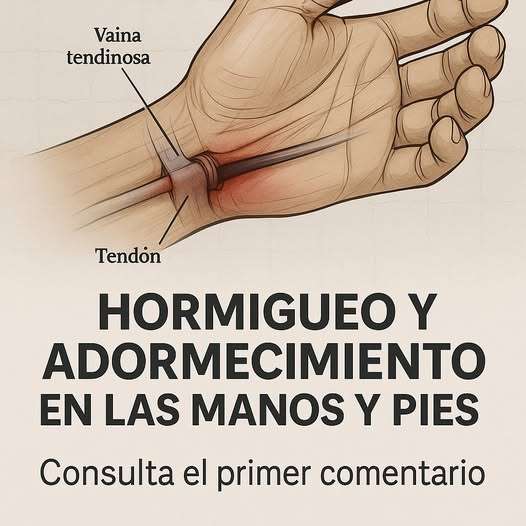
💻 Repetitive Strain: Spending long hours typing on a keyboard, using a mouse, or engaging in other repetitive motions can lead to inflammation in the tendons of your wrist. This swelling can, in turn, put pressure on the median nerve.
🤳 Phone Use ("Cell Phone Elbow"): Holding your phone to your ear for extended periods can compress the ulnar nerve that runs through your elbow, causing numbness and tingling in your ring and little fingers.
👝 Carrying Heavy Bags: A heavy backpack or shoulder bag can compress the brachial plexus, a network of nerves running from your neck to your arm, leading to temporary numbness.
When to Pay Closer Attention: Associated Medical Conditions
While often benign, persistent, frequent, or painful hand numbness can be a symptom of an underlying medical condition. If your symptoms are severe or don't resolve quickly, it's crucial to consult a healthcare professional. Potential conditions include:
🩺 Carpal Tunnel Syndrome (CTS): This is one of the most common nerve compression disorders. It occurs when the median nerve, which runs from your forearm into your palm, becomes pressed or squeezed at the wrist. Symptoms often include numbness or tingling in the thumb, index, and middle fingers, sometimes accompanied by a weak grip.
📏 Cervical Radiculopathy (Pinched Nerve in the Neck): A herniated disc or bone spur in your neck can compress the nerves that lead to your arms and hands. The numbness or weakness will typically follow the path of the specific nerve that is affected.
🩸 Vitamin Deficiencies: Deficiencies in certain vitamins, particularly B12, are essential for maintaining a healthy nervous system. A lack of these can lead to nerve damage and paresthesia.
🔄 Diabetes: High blood sugar levels over time can lead to diabetic neuropathy, a type of nerve damage that often causes numbness, tingling, or pain in the hands and feet.
🛡️ Autoimmune Diseases: Conditions like Rheumatoid Arthritis can cause inflammation that compresses nerves, while others like Lupus or Multiple Sclerosis can directly affect the nervous system.
Awakening Your Hands: The Best Natural Remedies and Prevention Tips
For occasional hand numbness not linked to a serious medical condition, several natural strategies can provide relief and prevent future episodes.
💪 Ergonomic Adjustments: Set up your workspace to support neutral wrist positions. Use an ergonomic keyboard and mouse, and ensure your chair and desk are at the correct height. Taking regular breaks to stretch your hands and wrists is non-negotiable for prevention.
🧘 Stretching and Exercise: Incorporate simple wrist and nerve gliding exercises into your daily routine. For example, gently stretching your fingers back towards your wrist or making a fist and then slowly opening your hand can improve flexibility and circulation.
💧 Anti-Inflammatory Diet: Combat inflammation by incorporating foods rich in omega-3 fatty acids (like salmon and walnuts), turmeric, ginger, and leafy greens. Staying well-hydrated is also key for optimal nerve function.
🌙 Mindful Sleeping Postures: Try to sleep on your back or side with your arms in a neutral, relaxed position. Avoid bending your wrists or elbows sharply or tucking your hands under your pillow.
🌡️ Warm Compresses: Applying a warm compress to your wrist, forearm, or neck can help relax tense muscles and improve blood flow, alleviating pressure on nerves.
Conclusion: Listen to Your Body's Signals
That fleeting sensation of your hand falling asleep is usually just a temporary message from your body to shift position. By understanding the common causes—from awkward sleep postures to repetitive strain—you can take proactive steps to prevent it. Implementing ergonomic improvements, regular stretching, and an anti-inflammatory diet are powerful, natural ways to support your nerve health. However, it's vital to listen closely. If the numbness is persistent, painful, or accompanied by weakness, do not ignore it. Consulting a healthcare provider can help rule out or manage any underlying conditions, ensuring your hands stay awake, alert, and ready for action. 🙌
Deja una respuesta