Do Your Hands Frequently Fall Asleep? Discover the Potential Causes, Associated Conditions, and Best Natural Remedies
 Espanol
Have you ever experienced that unsettling sensation of your hand or fingers "falling asleep," accompanied by pins and needles or numbness? 🫣 This common phenomenon, known medically as paresthesia, can range from a temporary, harmless annoyance to a symptom of an underlying health condition. In this comprehensive guide, we will explore the potential causes, associated conditions you should be aware of, and the best natural remedies to find relief and restore comfort to your hands. Let's unravel the mystery behind those sleepy sensations! 🧤
Espanol
What Does It Mean When Your Hand "Falls Asleep"?
That familiar "pins and needles" feeling, often described as a hand falling asleep, occurs when sustained pressure is applied to a nerve, disrupting its normal function. Think of it as a warning signal from your body. 🤚 When the pressure is relieved, the nerve "wakes up," leading to the characteristic tingling sensation as blood flow returns and nerve signals resume normal transmission. While occasional episodes are usually benign, frequent or persistent occurrences warrant a closer look.
Common Culprits: Potential Causes of Frequent Hand Numbness
Understanding the root cause is the first step toward effective management. Here are some of the most frequent reasons your hands might frequently fall asleep:
- Poor Sleeping Postures: 🛌 Sleeping with your arm bent or trapped under your head or body can compress the nerves in your wrist or elbow for extended periods.
- Repetitive Strain Injuries (RSI): 💻 Constant, repetitive motions from activities like typing, using tools, or playing an instrument can lead to inflammation that pressures the nerves.
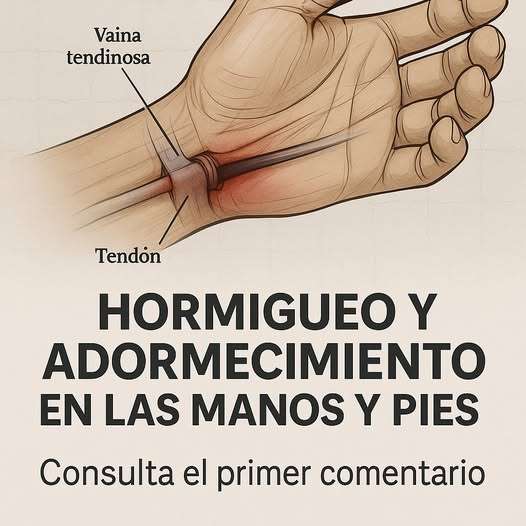
- Carpal Tunnel Syndrome (CTS): This is one of the most common causes. It happens when the median nerve, which runs from your forearm into your palm, becomes compressed at the wrist. Symptoms often include numbness in the thumb, index, and middle fingers.
- Cubital Tunnel Syndrome: Similar to CTS, this condition involves the ulnar nerve being compressed at the elbow, often causing numbness in the ring and little fingers. Leaning on your elbow for long periods can trigger this.
- Vitamin Deficiencies: 🥗 A deficiency in essential B vitamins, particularly B6, B12, and B1 (thiamine), can impair nerve health and function, leading to paresthesia.
When to Pay Closer Attention: Associated Health Conditions
Sometimes, a sleeping hand can be a red flag for a more systemic health issue. If your numbness is accompanied by other symptoms, it's crucial to consult a healthcare professional. 🩺 Associated conditions can include:
- Diabetes: 🩸 High blood sugar levels over time can cause diabetic neuropathy, a type of nerve damage that often begins in the hands and feet.
- Thyroid Disorders: An underactive thyroid (hypothyroidism) can sometimes lead to peripheral nerve damage.
- Autoimmune Diseases: Conditions like rheumatoid arthritis, lupus, or multiple sclerosis can cause inflammation that affects the nervous system.
- Cervical Radiculopathy: A pinched nerve in the neck, often due to a herniated disc or arthritis, can refer pain and numbness down into the arm and hand.
- Raynaud's Phenomenon: This condition causes some areas of your body to feel numb and cold in response to cold temperatures or stress, due to narrowed arteries limiting blood circulation.
Your Action Plan: Best Natural Remedies and Practical Tips
For many cases of occasional hand numbness, simple lifestyle adjustments and natural remedies can provide significant relief. Here is your practical action plan:
1. Optimize Your Ergonomics and Posture
Ensure your workspace is set up to support neutral wrist positions. Keep your wrists straight while typing, and consider using ergonomic keyboards or mouse pads with wrist rests. 🪑
2. Incorporate Nerve-Gliding Exercises
Specific exercises can help the nerves slide more smoothly through their surrounding tissues. A common one for carpal tunnel is the "shaking" motion, as if you're shaking off water, and gently stretching your fingers and wrists.
3. Adjust Your Sleep Position
Try to sleep on your back or side with your arms in a relaxed, straight position. Avoid bending your elbows or curling your wrists tightly. If you sleep on your side, don't rest your head on your hands.
4. Anti-Inflammatory Diet and Supplementation
Focus on a diet rich in anti-inflammatory foods like leafy greens, berries, and fatty fish. 🐟 To support nerve health, ensure adequate intake of B vitamins (found in whole grains, eggs, and lean meats) and magnesium (found in nuts, seeds, and dark chocolate). Consult your doctor before starting any new supplements.
5. Apply Warm Compresses and Gentle Massage
A warm compress can help relax tense muscles and improve blood flow to the area. Follow up with gentle self-massage from your fingertips up to your forearm to stimulate circulation. ✋
6. Take Frequent Breaks
If your work involves repetitive hand movements, make a conscious effort to take short breaks every 30-60 minutes. Use this time to stretch your hands, arms, and shoulders.
Conclusion: Taking Control of Your Hand Health
Experiencing your hands falling asleep now and then is often a simple message from your body to change your position or take a break. However, when it becomes a frequent visitor, it's a signal worth heeding. 🚨 By understanding the potential causes—from poor posture and repetitive motions to conditions like carpal tunnel syndrome or nutrient deficiencies—you are empowered to take proactive steps. Implementing the natural remedies and practical tips outlined, such as ergonomic adjustments, targeted exercises, and an anti-inflammatory diet, can significantly improve your symptoms and overall nerve health. Remember, listening to your body is the first and most important step toward lasting well-being. If symptoms persist, worsen, or are accompanied by weakness, do not hesitate to seek professional medical advice for a proper diagnosis and tailored treatment plan. Here's to waking up to healthier, happier hands! 🙌
Deja una respuesta