Do Your Hands Frequently Fall Asleep? Discover the Possible Causes, Associated Diseases, and Best Natural Remedies
 Espanol
Have you ever experienced that unsettling sensation of your hand or fingers "falling asleep"? That feeling of numbness, tingling, or "pins and needles" is medically known as paresthesia. While it's common to have this happen occasionally when you sleep in an awkward position, frequent episodes can be a cause for concern and a signal from your body. 🧠 This article will guide you through the possible causes, associated diseases, and the best natural remedies to address this uncomfortable issue, helping you understand when it's a minor nuisance and when it might be time to seek professional advice.
Espanol
Understanding the "Pins and Needles" Sensation 🪡
The sensation of a limb falling asleep occurs due to compression or irritation of nerves or their blood supply. Nerves are like electrical wiring that carries signals between your brain and the rest of your body. When pressure is applied—for instance, from leaning on your elbow or crossing your legs for too long—the nerve's function is temporarily disrupted. This causes the characteristic numbness. Once the pressure is relieved, the nerve "wakes up," leading to the tingling, prickling feeling as the signals resume. This is usually harmless and temporary. However, frequent or chronic hand paresthesia, especially without an obvious cause like pressure, warrants a deeper look.
Common Causes of Frequent Hand Numbness 🤲
Several everyday habits and conditions can lead to recurrent episodes of your hands falling asleep. Identifying these is the first step toward finding relief.
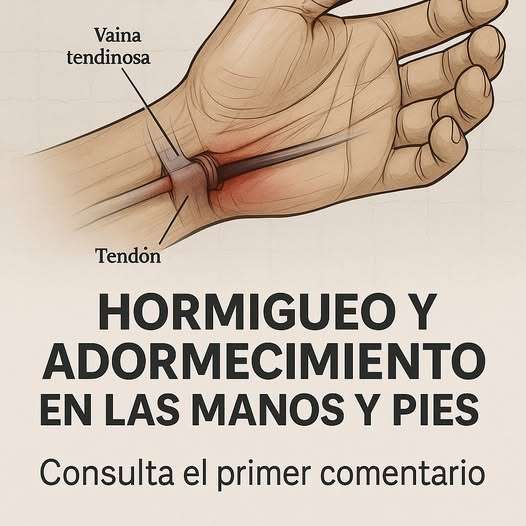
Repetitive Strain Injuries (RSI): Activities involving repetitive motions of the wrist and hand, such as typing, using a mouse, playing an instrument, or manual labor, can inflame tendons and compress nerves, most notably the median nerve in the wrist.
Poor Sleeping Postures: Sleeping with your wrist bent or with your arm pinned under your body or head can put prolonged pressure on nerves and blood vessels overnight, leading to waking up with a "dead" hand.
Vitamin Deficiencies: Deficiencies in certain B vitamins (particularly B6, B12, and B1) are crucial for nerve health. A lack of these can lead to nerve damage and paresthesia.
Dehydration and Electrolyte Imbalance: Proper hydration and balanced levels of electrolytes like potassium, magnesium, and calcium are essential for optimal nerve conduction. Imbalances can trigger muscle cramps and nerve irritability.
Associated Diseases and Medical Conditions 🩺
When hand numbness is persistent, severe, or occurs alongside other symptoms, it could be indicative of an underlying medical condition. It is crucial to consult a healthcare professional for an accurate diagnosis if you experience these.
- Carpal Tunnel Syndrome (CTS): This is one of the most common causes. It involves compression of the median nerve as it passes through the narrow carpal tunnel in your wrist. Symptoms often include numbness and tingling in the thumb, index, middle, and part of the ring finger, frequently worsening at night.
- Cervical Radiculopathy (Pinched Nerve in the Neck): Problems in your cervical spine (neck), such as a herniated disc or arthritis, can irritate the nerves that travel down to your arms and hands, causing numbness or weakness.
- Diabetes and Diabetic Neuropathy: Chronically high blood sugar levels can damage nerves throughout the body, a condition known as diabetic neuropathy. It often starts in the hands and feet, causing numbness, tingling, pain, and loss of sensation.
- Raynaud's Phenomenon: This condition causes some areas of the body—like fingers and toes—to feel numb and cold in response to cold temperatures or stress, due to narrowing of the small arteries that supply blood.
- Autoimmune Diseases: Conditions like rheumatoid arthritis, lupus, or multiple sclerosis can involve inflammation that affects nerves or their protective covering, leading to paresthesia.
Best Natural Remedies and Lifestyle Adjustments 🌿
For occasional or mild cases related to lifestyle factors, several natural approaches can provide significant relief and prevent future episodes.
Ergonomic Optimization: Set up your workspace to keep your wrists in a neutral position. Use an ergonomic keyboard and mouse, and ensure your chair and desk height allow your forearms to be parallel to the floor. Taking frequent breaks to stretch during repetitive tasks is non-negotiable.
Targeted Stretches and Exercises: Gentle stretches for the wrists, forearms, neck, and shoulders can relieve pressure and improve circulation. Simple exercises like wrist flexor and extensor stretches, or making a fist and then fanning out your fingers, can be very effective. 💆♂️
Anti-Inflammatory Diet: Incorporate foods rich in omega-3 fatty acids (like salmon, walnuts), antioxidants (berries, leafy greens), and B vitamins (eggs, legumes, lean meats). Reducing processed foods and sugar can also help lower systemic inflammation.
Supplements for Nerve Support: Consider supplements after consulting with a doctor. Alpha-lipoic acid, magnesium, and a high-quality B-complex vitamin have shown promise in supporting nerve health and reducing neuropathic symptoms.
Mindful Posture and Sleep Hygiene: Be conscious of your posture during the day. At night, try to sleep on your back or side with your arms and wrists in a straight, neutral position. Wearing a supportive wrist splint to bed can prevent you from bending your wrists while asleep, which is especially helpful for CTS.
Stress Management: Chronic stress can exacerbate muscle tension and inflammation. Practices like yoga, meditation, or deep-breathing exercises can help manage stress levels and, consequently, reduce nerve-related symptoms. 🧘♀️
Conclusion: Listening to Your Body's Signals
Experiencing your hands fall asleep frequently is more than just an annoyance—it's a message from your nervous system. While often linked to reversible lifestyle factors like posture and repetitive motion, it can also be an early sign of conditions that require medical attention. The key is mindful observation. Start by implementing the practical ergonomic and natural remedies discussed, such as stretches, dietary changes, and better sleep postures. If symptoms persist, worsen, or are accompanied by weakness, pain, or occur in other parts of your body, do not hesitate to seek a professional evaluation. Taking proactive steps empowers you to maintain not just the health of your hands, but your overall well-being. Your journey to comfortable, tingle-free days starts with understanding the cause. ✨
Deja una respuesta