Benefits of Guava Leaves
 Espanol
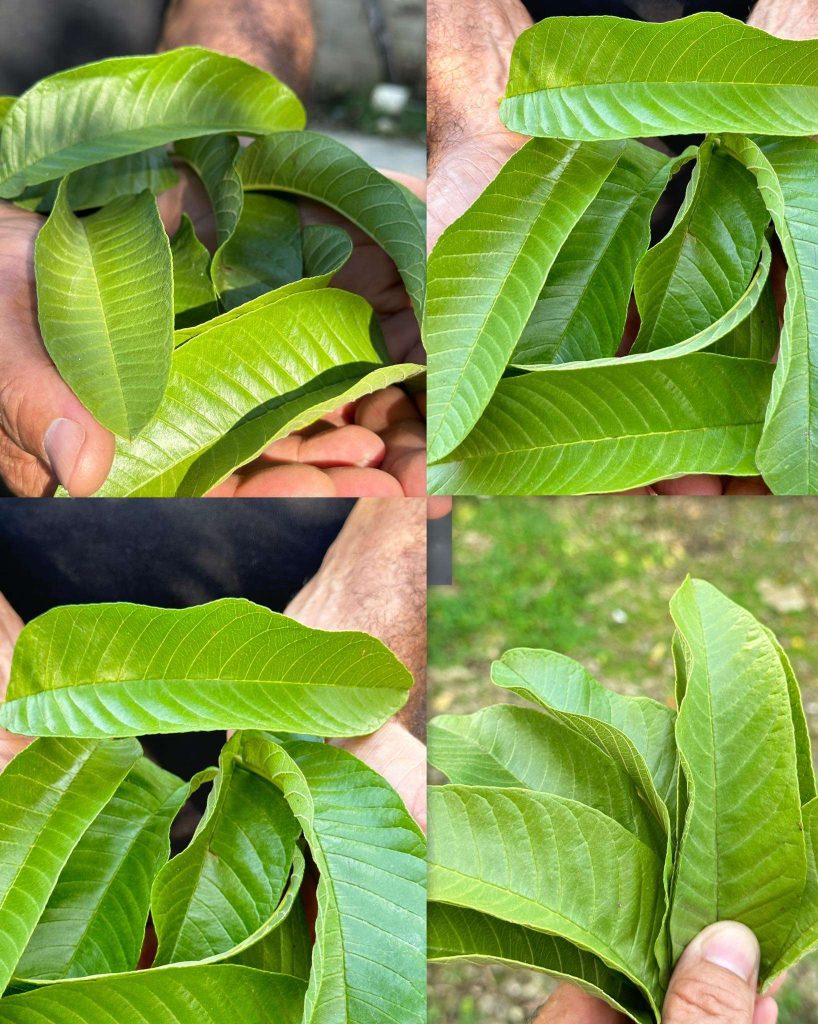
Welcome to a deep dive into the incredible world of the guava tree, specifically its often-overlooked treasure: the leaves 🌿. While the sweet, fragrant fruit rightfully enjoys global popularity, the humble leaves pack a powerful, medicinal punch that has been celebrated in traditional medicine for centuries. This article will explore the science-backed Benefits of Guava Leaves, transforming your view of this common plant from a simple tree ornament to a potent natural remedy. Get ready to discover practical ways to harness their power for your wellness routine.
Espanol
Unlocking the Nutritional Powerhouse: What's in a Guava Leaf? 💪
Before diving into the specific benefits, it's crucial to understand what makes guava leaves so special. They are a rich source of antioxidants, including powerful flavonoids like quercetin, and vitamins such as Vitamin C and A. They also contain beneficial compounds like tannins, phenolic compounds, and essential oils. This unique blend gives guava leaves their notable anti-inflammatory, antimicrobial, and anti-diabetic properties. Think of each leaf as a tiny, green pharmacy waiting to be utilized.
Aiding Digestive Health and Soothing Discomfort 🤒
One of the most celebrated uses of guava leaf is for digestive issues. The leaves possess strong anti-bacterial and anti-spasmodic properties that can help combat foodborne pathogens like Staphylococcus aureus and E. coli. A warm cup of guava leaf tea can be remarkably effective in soothing stomach aches, reducing bloating, and alleviating symptoms of food poisoning. For those suffering from diarrhea or dysentery, the tannins in the leaves have an astringent effect, helping to solidify stools and provide relief. Tip: Steep 5-6 fresh leaves in boiling water for 5 minutes, strain, and drink warm for immediate digestive comfort.
Supporting Healthy Blood Sugar Levels 📉
This is where modern science is catching up to ancient wisdom. Several studies suggest that guava leaf tea can help improve insulin resistance and lower blood sugar levels. The compounds in the leaves inhibit the absorption of certain types of sugars (like sucrose and maltose) in the bloodstream. For individuals managing type 2 diabetes or pre-diabetes, incorporating unsweetened guava leaf tea into their diet, under medical guidance, can be a supportive natural strategy. It's not a cure, but a potential valuable ally in a comprehensive management plan.
Boosting Heart Health and Cholesterol Profile ❤️
Heart health is multifaceted, and guava leaves contribute in several ways. The high potassium content helps regulate blood pressure by counteracting the effects of sodium. More impressively, regular consumption of guava leaf extract has been linked to improved "good" HDL cholesterol and reduced "bad" LDL cholesterol and triglycerides. The antioxidants also protect the heart from oxidative stress and inflammation, two key contributors to cardiovascular disease. Consider it a heart-healthy habit with a pleasant, herbal taste.
Enhancing Skin Health and Fighting Aging 🧴
Move over, expensive serums! The antioxidants in guava leaves, particularly Vitamin C, fight free radicals that cause oxidative stress, leading to wrinkles and loss of elasticity. Their anti-inflammatory and antimicrobial properties make them excellent for treating acne, dark spots, and skin allergies. You can use it topically by creating a simple paste: grind fresh leaves with a little water and apply to affected areas, or use cooled guava leaf tea as a facial toner. For a treat-from-within approach, drinking the tea promotes collagen production for firmer, brighter skin.
Practical Guide: How to Use Guava Leaves at Home ☕
Harnessing these benefits is surprisingly simple. Here are the most common methods:
- Tea/Infusion: The most popular method. Wash 5-10 fresh leaves (or use 1 tablespoon of dried leaves). Crush them slightly to release oils, add to a cup of boiling water, cover, and steep for 5-10 minutes. Strain and enjoy. You can add a dash of honey or lemon, but for blood sugar benefits, drink it plain.
- Topical Application: For skin and hair, create a decoction by boiling a handful of leaves in water for 15-20 minutes. Let it cool and use it as a rinse for your hair to combat dandruff and promote growth, or as a skin wash/toner.
- Supplement Form: Guava leaf extract is available in capsule or tincture form. Always choose reputable brands and consult a healthcare provider for appropriate dosage.
Crucial Note: While generally safe, if you are pregnant, breastfeeding, on medication (especially for diabetes or blood thinners), or have a scheduled surgery, consult your doctor before making guava leaf tea a regular part of your diet.
Conclusion: A Leaf of Great Value 🌟
From supporting a robust digestive system and balanced blood sugar to promoting radiant skin and a healthy heart, the benefits of guava leaves are both vast and impressive. This readily available natural remedy stands as a testament to the healing power found in nature's simplest offerings. We've moved far beyond the notion of a simple garden leaf to recognizing a genuine functional food. Start by introducing a cup of guava leaf tea into your weekly routine and observe how your body responds. Embrace this green gift, and you may just find a powerful, natural companion on your journey to holistic well-being. Your path to discovering its value for your health starts with that first, mindful sip.
Deja una respuesta